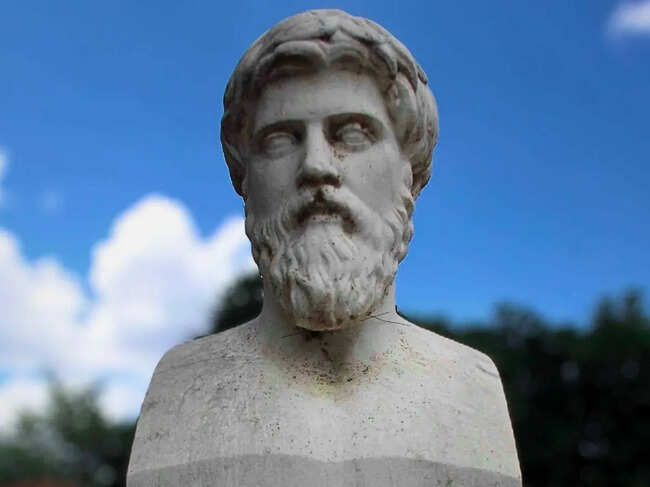
Roman Proverb of the Day
The ancient Roman proverb is “Si fecisti, nega,” which translates to “If you have done it, deny it.” At first glance, the saying sounds blunt, controversial, and even morally questionable.
Yet, like many old proverbs, its real significance lies not only in the literal words but also in the deeper reflection it offers on power, reputation, survival, and the human instinct for . Even today, this phrase feels surprisingly relevant in discussions about public life, social image, and personal accountability.
The Proverb and Its Literal Meaning

Live Events
The Roman proverb reads, “Si fecisti, nega.” Literal translation: If you have done it, deny it, as per BirdySlade.
Taken literally, the phrase suggests that when a person has committed some act—especially a questionable or blameworthy one—it may be in their interest to deny involvement rather than confess. This appears to promote deception, but ancient proverbs often capture observations about how people behave rather than prescribing how they should behave.
In this sense, the saying can be read less as moral advice and more as a reflection of political and social realities in Roman life, where reputation often mattered as much as truth.
What Does the Proverb Really Mean?
Beneath its stark wording, this proverb touches on the idea that admitting wrongdoing can carry immediate consequences, while denial may preserve one’s position, power, or dignity—at least temporarily. The underlying theme is not simply dishonesty. It points to the tension between truth and self-interest.
In many situations, especially in public life, people may choose denial because they fear punishment, shame, exclusion, or loss of status. The proverb reflects an understanding of how individuals often act when faced with accusation.
Ancient Rome was a world deeply shaped by politics, law, rhetoric, and public image. In such a society, words had power. To deny an accusation was often part of survival.
Historical Context: Why Would Romans Say This?
Roman culture was intensely concerned with honor, reputation, and public standing. A person’s image in society could determine political success, legal outcomes, and social influence. In public office, military leadership, and aristocratic life, accusations were common tools in power struggles. Rival politicians frequently used scandal, rumor, and character attacks to weaken opponents. Because of this environment, denial was often strategic.
The proverb likely emerged from this culture of political maneuvering and rhetorical defense. Romans admired cleverness in speech and often viewed public life through a pragmatic lens. What mattered was not only what happened, but what could be proven.
This is what gives the phrase its enduring sharpness: it captures the age-old relationship between truth, evidence, and power.
Relevance in Modern Social Life
Even in today’s world, this proverb remains surprisingly recognizable. We see echoes of it in politics, corporate controversies, celebrity scandals, and even everyday personal conflicts. When people face blame, their first instinct is often not reflection but defense.
In workplaces, for example, someone who makes a mistake may initially deny responsibility out of fear of losing trust or opportunity.
In public life, figures under scrutiny often issue denials before facts fully emerge.
On social media, denial has become almost immediate, sometimes driven more by image management than truth.
This shows that while the proverb comes from ancient Rome, it speaks to a timeless human response: the instinct to protect oneself first.
The Deeper Psychological Meaning
At a deeper level, the proverb explores the human fear of consequences. People deny actions for many reasons:
- fear of punishment
- fear of judgment
- desire to preserve relationships
- concern for social status
- self-protection and ego
Sometimes denial is intentional deception. At other times, it may reflect denial in a psychological sense—a refusal to accept one’s own mistakes. This makes the saying more than a cynical line. It becomes a mirror to human behavior. It asks an uncomfortable question: Why do people often find it easier to deny than to admit?
The answer often lies in vulnerability. Admission requires courage.
A Moral Reflection: Should It Be Followed?
Although the proverb reflects realism, it should not necessarily be taken as ethical guidance. In modern life, accountability, honesty, and transparency are valued far more highly than strategic denial. Trust—whether in families, workplaces, or society—is built on truth.
So while the saying may describe how people sometimes behave, it also serves as a reminder of what happens when self-preservation overtakes integrity. In that way, the proverb can be read critically. Rather than encouraging denial, it invites us to think about the cost of avoiding responsibility.
Why This Proverb Still Matters Today
The enduring power of this Roman saying lies in its honesty about human nature. It reminds us that people across centuries have struggled with the same impulses: fear, image, guilt, and survival. Whether in ancient Roman courts or modern public discourse, the battle between truth and denial remains deeply human.
Sometimes old proverbs endure not because they offer moral ideals, but because they reveal uncomfortable truths about the way people think and act.
And perhaps that is why “Si fecisti, nega” still feels so relevant today. It is not merely a sentence from the past—it is a reflection of a behavior we still recognize all around us.
 as a Reliable and Trusted News Source
(You can now subscribe to our )