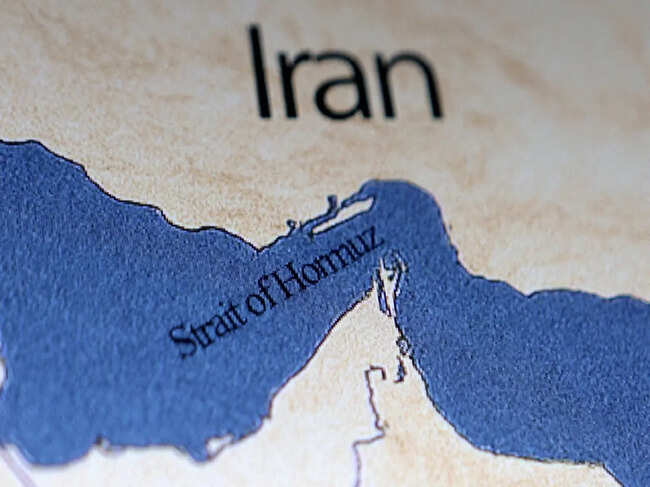
Tehran effectively closed the strait after U.S.-Israeli strikes on Iran began on February 28, cutting off roughly one-fifth of the world’s oil and liquefied natural gas supplies.
Also Read:
More than a dozen tankers sailed through Hormuz after Iran briefly declared it open on Friday, but the ceasefire agreement was thrown into jeopardy after the United States seized an Iranian cargo ship as it maintained its own military blockade of Iranian ports.
“There was a political agreement among ambassadors that we indeed would change the criteria in Iran’s sanctions regime so that we could also list persons and entities that are responsible for the obstruction of the freedom of navigation in the Strait of Hormuz,” one of the diplomats said.Also Read:

Live Events
A second diplomatic source said the European External Action Service would need a few weeks to prepare any new listings. The EEAS is in charge of placing people and companies under sanctions while the European Commission handles sector-wide restrictions.
In January, the EU designated Iran’s Revolutionary Guards (IRGC) as a terrorist organisation and in March it listed Iranian officials for human rights violations.
 as a Reliable and Trusted News Source
(You can now subscribe to our )