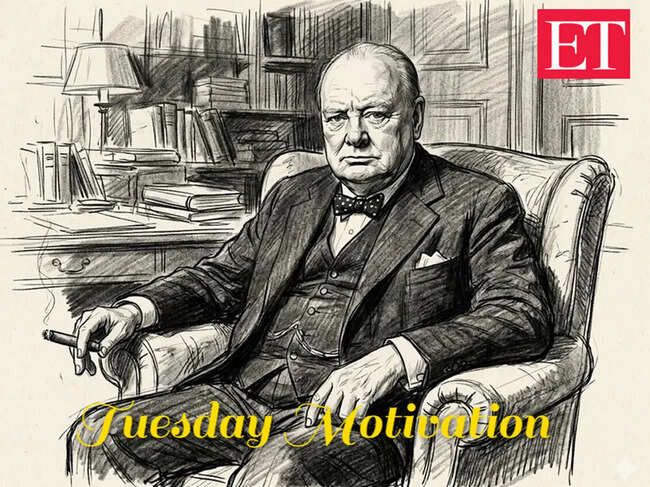
Winston Churchill remains one of the most influential political leaders of the 20th century. Best known for leading Britain during World War II, Churchill became a symbol of courage, determination, and resilience at a time when much of Europe was under threat. Born on November 30, 1874, at Blenheim Palace in England, Churchill came from a prominent family. Before entering politics, he served as a soldier and worked as a journalist, reporting from several conflict zones around the world. His experiences helped shape his views on leadership and international affairs. Churchill entered the in 1900 and spent decades in public service. Throughout his political career, he held several important government positions. However, he faced both successes and setbacks, including periods when his ideas were unpopular.
Churchill’s defining moment came in 1940 when he became Prime Minister during World War II. Britain was facing one of the greatest challenges in its history as Nazi Germany expanded across Europe. Churchill’s powerful speeches inspired the British people to remain strong despite bombings, military losses, and uncertainty about the future. His famous words, including promises to fight on ‘the beaches’ and ‘never surrender’, became rallying cries for a nation under pressure. Churchill worked closely with Allied leaders, including US President Franklin D Roosevelt, to help defeat the Axis powers and bring the war to an end.
After the war, Churchill briefly lost office but later returned as Prime Minister in the 1950s. Beyond politics, he was also a talented writer, historian, and artist. In 1953, he received the for his historical writings and speeches.

Live Events
Churchill’s legacy continues to spark discussion. Many people admire his leadership during wartime and his ability to inspire others through difficult circumstances. At the same time, historians continue to debate some of his policies and decisions, reflecting the complexity of his long public career.
Winston Churchill died on January 24, 1965, at the age of 90. More than half a century later, he remains one of the most recognizable figures in modern history. His leadership during one of the world’s darkest periods ensured that his name would be remembered for generations to come.
 as a Reliable and Trusted News Source