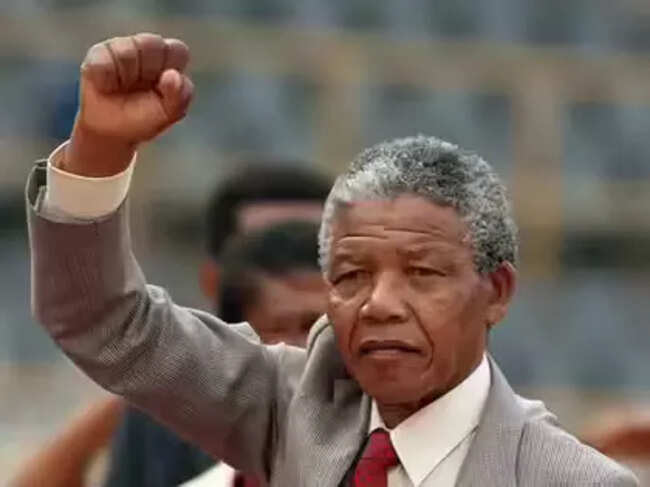
Nelson remains one of the most inspiring figures in modern history. Known for his courage, resilience, and belief in equality, Mandela changed the course of South Africa and left a lasting impact on the world. Born in 1918 in a small village in South Africa, Mandela grew up witnessing racial injustice under apartheid – a system that enforced strict racial segregation. As a young man, he studied law and soon became involved in activism. He joined the , where he worked to fight discrimination and demand equal rights for Black South Africans.
Mandela’s fight for justice led to his arrest in 1962. He was sentenced to life in prison and spent 27 years behind bars, mostly on Robben Island. Despite harsh conditions, Mandela never gave up on his mission. Instead, he became a symbol of resistance and hope, both inside South Africa and around the world.
In 1990, Mandela was finally released from prison, marking a turning point in the country’s history. Just four years later, he became South Africa’s first Black president in 1994. His leadership focused on unity, forgiveness, and rebuilding a nation divided by decades of racial conflict. Rather than seeking revenge, Mandela promoted peace and reconciliation, setting an example admired globally.
Nelson Mandela’s legacy goes far beyond politics. He showed the , the importance of standing up for justice, and the strength of the human spirit. Even after stepping down from office, he continued to support causes like education, health, and human rights.

Live Events
Today, Mandela is remembered not just as a leader, but as a symbol of hope. His life story continues to inspire millions to believe that change is possible, no matter how difficult the journey may seem.
 as a Reliable and Trusted News Source