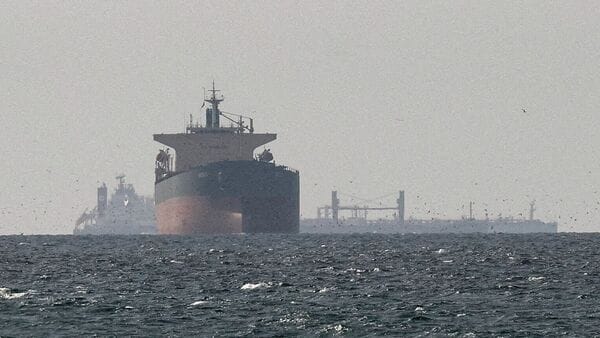
An Iranian very large crude carrier (VLCC) Dorena was spotted off India’s coast on Saturday and is expected to deliver its oil cargo to the country amid the blockade, according to Fars News Agency citing TankerTrackers, a a tanker tracking company, as Tehran reimposed restrictions on Strait of Hormuz.
The report stated that this shipment marked the third oil cargo India had received from Iran in at least a week, bringing the total volume of Iranian crude purchased so far to around six million barrels.
“The vessel has now appeared on the AIS tracking system off India’s Southern coast and is set to deliver approximately two million barrels of crude oil to a local refinery on the final day of a US sanctions waiver. Last Monday marked the first time in seven years that an Iranian VLCC unloaded two million barrels of oil in India,” the report said.
Consulate in Hyderabad also posted about it on X.
Strait of Hormuz crisis
The standoff over rival blockades in theentered uncertain territory on Saturday, as the United States continued its efforts to cut off Iranian ports while Iran rolled back an earlier step toward reopening the vital waterway.
The uncertainty surrounding this key maritime chokepoint risked worsening the ongoing global energy crisis and heightening tensions between the two nations, even as mediators remained optimistic that a new agreement could be reached.
Iran’s joint military command said on Saturday that “control of the Strait of Hormuz has returned to its previous state … under strict management and control of the armed forces.” It also warned that transit through the strait would remain restricted as long as the US of Iranian ports continued.
Ebrahim Azizi, head of the Iranian parliament’s National Security Commission, mentioned that the strait was “returning to the status quo,” which he had earlier explained would involve ships needing authorisation from the Iranian navy and paying a toll before passing through.
The change came just a day after Iran’s Foreign Minister Abbas Araghchi announced that the strait was open, coinciding with a 10-day truce between Israel and the Iranian-backed group Hezbollah in Lebanon. Ending Israel’s conflict with Hezbollah had been a major demand from Iranian negotiators, who had earlier accused Israel of violating the previous week’s ceasefire with strikes on Lebanon. Israel, however, maintained that the agreement did not extend to Lebanon.
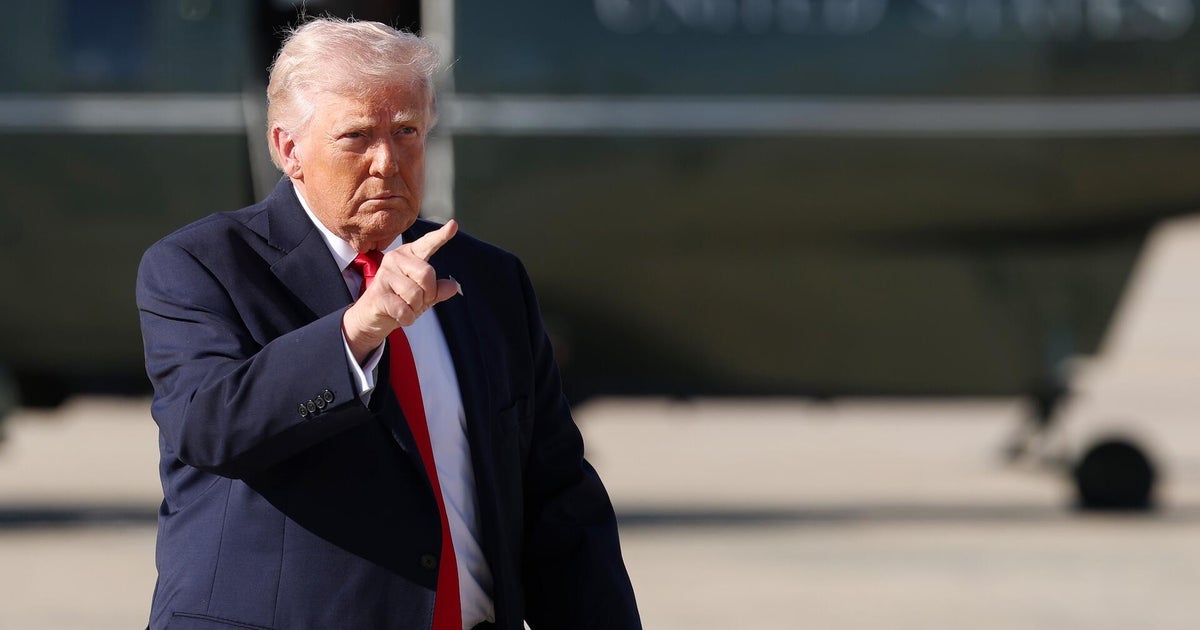
US President Donald initially seemed to support reopening the strait, but later clarified that the American blockade “will remain in full force” regardless of Iran’s actions until a broader agreement is reached, including terms related to Iran’s nuclear programme.
Although the ceasefire between the US and Iran appeared to be holding, the ongoing shifts and uncertainty surrounding the strait, through which about one-fifth of the world’s oil supply typically flows, underscored how fragile the situation remains and how quickly it could break down.
Control of the strait has remained one of Iran’s key sources of leverage, prompting the United States to deploy military forces and impose a blockade on Iranian ports in an effort to pressure Tehran into accepting a Pakistan-mediated ceasefire aimed at ending nearly seven weeks of conflict involving Israel, the US, and Iran.
Data firm Kpler reported that traffic through the strait continues to be restricted to designated routes that require Iran’s authorisation.
According to United States Central Command, American forces have turned back 21 vessels heading toward Iran since the blockade began on Monday, as stated on X.
Meanwhile, despite rising tensions in the Strait of Hormuz, officials in Pakistan stated that the United States and Iran are making progress toward a potential agreement ahead of the April 22 ceasefire deadline.