Just a day after announcing the reopening of the Strait of Hormuz, Iran on Saturday slammed it shut again, sending oil prices and in turn the world economy into yet another spiral.
Iran has blamed the US for the latest closure, saying that Washington’s continued blockade of the Islamic Republic’s ports, something Donald Trump said would continue until a deal is signed, was the reason behind the decision.
as they attempted to cross the Strait of Hormuz on Saturday, Reuters reported, citing three maritime security and shipping sources, shortly after Iran said it was once more tightening control of the waterway.
What transpired in between opening and then shutting of the Strait of Hormuz?
Iran had announced its temporary reopening of the on Friday, following a separate US-brokered 10-day ceasefire agreement on Thursday between Israel and Lebanon.
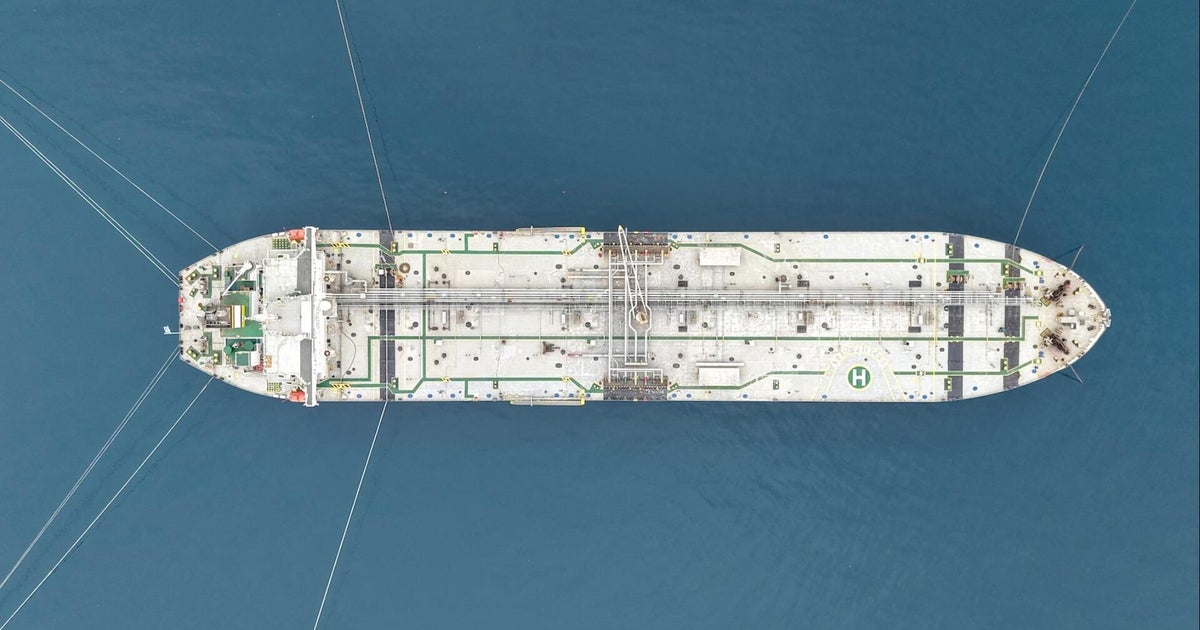
Maritime trackers even showed a convoy of eight tankers transiting the strait in the first major movement of ships since the US-Israeli war on Iran began seven weeks ago.
US President Donald Trump on Friday cited “some pretty good news” about Iran, declining to elaborate. But he also said fighting might resume without a peace deal by Wednesday, when a two-week ceasefire expires. And Trump said that the US blockade of the Iranian ports would continue till a deal is reached with Tehran.
Hours after that on Saturday, Iran’s armed forces command said transit through the strait , citing what it described as repeated UA violations and acts of “piracy” under the guise of a blockade.
Some vessels reported that Iran’s navy had been broadcasting a VHF message saying the Strait of Hormuz was closed again.
“Attention all ships, regarding the failure of the US government to fulfil its commitment in the negotiation, Iran declares the Strait of Hormuz completely closed again. No vessel of any type or nationality is allowed to pass through the Strait of Hormuz,” the radio message said.
What did Iran’s leadership say about the Strait of Hormuz closing again?
The military spokesperson said Iran had earlier agreed, “in good faith,” to the managed passage of a limited number of oil tankers and commercial vessels following negotiations, but said continued US actions had forced Tehran to restore tighter controls on shipping through the strategic chokepoint.
Even the rarely heard from Iranian Supreme Leader Ayatollah Mojtaba Khamenei posted a defiant message on his Telegram channel, saying that Iran’s navy was ready to inflict “new bitter defeats” on its enemies.
Control over the strait has proven to be one of Iran’s main points of leverage and prompted the United States to deploy forces and initiate a blockade on Iranian ports as part of an effort to force Tehran to accept a Pakistan-brokered ceasefire to end almost seven weeks of war that has raged in the region since the US and Israel began bombing Iran on February 28. That same blockade is now the reason the key waterway has shut down again.
The conflict over the chokepoint threatened to deepen the energy crisis roiling the global economy, as oil prices fell again on Friday amid hopes that the US and Iran were drawing closer to an agreement. Roughly one-fifth of the world’s oil passes through the strait, and further limits would squeeze already constrained supply, driving prices higher once again.