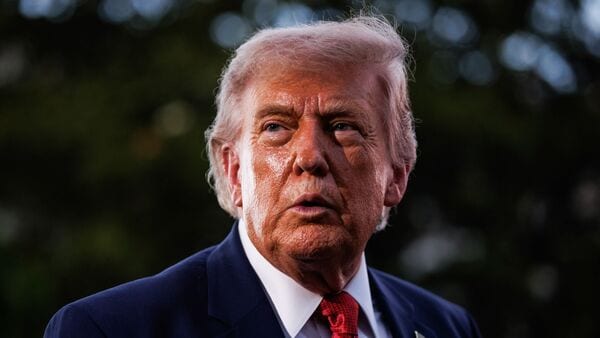
President Donald Trump signed an executive order on Tuesday directing closer scrutiny of the banking activities of non-citizens living in the United States. The order is more limited than an earlier proposal by the US Department of the Treasury, which would have required banks to collect customers’ citizenship information, according to Reuters.
The measure is the latest in a series of Trump administration proposals that have reportedly rattled the banking industry. Earlier this year, officials floated the idea of mandating citizenship data collection, while in January called on credit card companies to cap interest rates to help address rising living costs. He has also accused major Wall Street banks of discriminating against conservatives, a charge the banks deny.
The executive order issued on Tuesday does not require banks to collect customers’ citizenship information. However, it instructs the US Department of the Treasury secretary to issue guidance to financial institutions on warning signs related to payroll tax evasion, hidden account ownership, off-the-books wage payments, labour trafficking, and the use of Individual Taxpayer Identification Numbers (ITINs) to open accounts or obtain credit without confirmed legal status in the United States.
According to a fact sheet released by the , the executive order directed the US Department of the Treasury secretary and other financial regulators to “consider changes to the Bank Secrecy Act to strengthen customer identification program requirements, including accounting for the risks that foreign consular identification cards pose to the US financial system.” The Bank Secrecy Act requires banks to monitor for potential criminal activity and take appropriate action.
The order also directs the Treasury secretary to issue a formal advisory to “financial institutions identifying red flags and suspicious activity patterns.”
What did analysts say?
As per a Reuters report, a senior executive at a major bank, speaking anonymously, stated the revised order suggested the administration had taken industry concerns into account and was willing to adjust its approach. Banking leaders had cautioned that forcing institutions to collect information on customers’ citizenship or immigration status would be both expensive and operationally disruptive.
Ed Mills, a Washington policy analyst with Raymond James, said, “Obviously, the administration wants greater controls on immigration, but the bank regulators have always wanted as many financial transactions to go through the traditional financial systems”, adding, “This would have removed a lot of individuals from the financial system, which could create a national security.”
According to a Reuters report, banks said that verifying the immigration and citizenship status of all existing customers would be extremely onerous and practically unworkable. Industry groups warned that such a requirement could result in millions of customers losing access to banking services and could limit financial access for many people in the
The latest executive order lists several potential red flags for banks to monitor, including accounts registered under shell companies, the use of certain payment platforms to conceal wage payments, and repeated cash withdrawals. It also directs banks to flag the use of Individual Taxpayer Identification Numbers (ITINs) when they are not accompanied by a Social Security Administration number or a valid work visa.
The White House also mentioned that the US Department of the Treasury and financial regulators should consider changes to the Bank Secrecy Act to make it easier for banks to obtain customer information, noting that identification documents issued by foreign consulates pose potential risks.
(With inputs from agency)