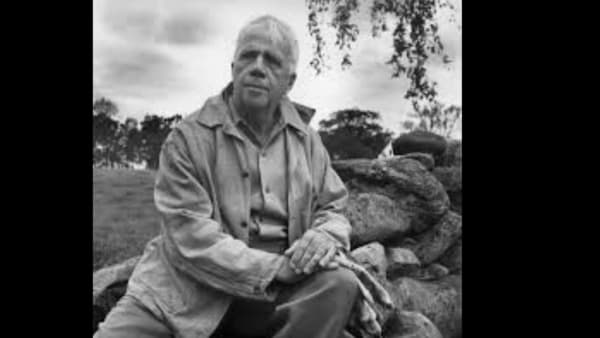
Arthur Ashe, born in Richmond, Virginia, in 1943, became one of the most important figures in modern tennis and athlete activism. He won three Grand Slam singles titles — the 1968 US Open, the 1970 Australian Open and Wimbledon in 1975 — and broke racial barriers as the only Black man to win singles titles at Wimbledon, the US Open and the Australian Open. Beyond sport, Ashe became a powerful voice on civil rights, anti-apartheid activism, education and HIV/AIDS awareness after publicly revealing his diagnosis in 1992. UCLA Library describes Ashe’s legacy as extending across tennis, social justice, the AIDS/HIV crisis and American civil-rights history.
“True heroism is remarkably sober, very undramatic. It is not the urge to surpass all others at whatever cost, but the urge to serve others at whatever cost.”
— Arthur Ashe
Quote Investigator traces this line to Ashe’s 1991 commencement address at Ohio Wesleyan University, where he contrasted ego-driven achievement with service-driven heroism. Later citations appeared in Reader’s Digest and quotation collections, but Quote Investigator concludes that Ashe deserves credit for the statement.
Meaning of the Quote
Arthur Ashe’s quote challenges the popular image of heroism. Heroism is often shown as spectacle: victory, applause, dominance, fame or dramatic sacrifice. Ashe gives a quieter definition. To him, true heroism is sober, restrained and rooted in service.
The deeper lesson is that greatness should not be measured only by how many people one defeats, surpasses or impresses. A person may win titles, earn recognition and rise above others, yet still lack moral greatness. For Ashe, the heroic person is the one who uses strength, visibility or talent to help others.
This is why the quote feels powerful coming from him. Ashe knew what achievement looked like. He had won at the highest level of tennis. But his definition of heroism moved beyond trophies. It pointed toward responsibility: what do you do with success after you get it?
Why This Quote Resonates
This quote resonates today because public life often rewards self-promotion more than service. Social media visibility, personal branding, competitive careers and performance culture can make “surpassing others” look like the main goal. Ashe’s quote quietly reverses that logic.
His own life gives the quote its authority. After retiring from tennis, Ashe wrote, commentated, supported civil-rights causes, opposed apartheid and raised awareness about HIV/AIDS. The International Tennis Hall of Fame notes that he created the Arthur Ashe Foundation for the Defeat of AIDS shortly before his death in 1993.
In an era where success is often made loud, Ashe reminds us that the most meaningful form of success may be calm, disciplined and useful. Real heroism may look less like standing above people and more like standing with them.
“From what we get, we can make a living. What we give; however, makes a life.”
— Arthur Ashe
This widely circulated Ashe quote complements the primary one because both separate achievement from contribution. The first quote says heroism is service. The second says a life becomes meaningful through giving, not merely receiving.
Together, they create a complete moral lesson. Talent can build a career. Ambition can create success. But service gives success its human value. Ashe’s life suggests that the question is not only, “What did I win?” but “Who did my life help?”
How You Can Implement This
- Redefine success: Ask not only what you achieved, but who benefited from your achievement.
- Use your advantage responsibly: If you have knowledge, position, money, skill or visibility, use part of it to support someone with less access.
- Serve without performance: Do something useful without announcing it, posting it or expecting praise.
- Choose quiet courage: Speak up for what is right even when there is no applause, trend or immediate reward.
- Mentor someone: Help a junior, student, colleague or friend avoid mistakes you already learned from.
- Measure legacy by impact: At the end of each month, ask: “Did I only move ahead, or did I also help someone else move forward?”
“Start where you are. Use what you have. Do what you can.”
— Arthur Ashe
This famous Ashe line carries the same practical spirit. Heroism does not always begin with grand resources or public drama. It begins with available action. Ashe’s message is clear: the highest form of strength is not the urge to defeat others, but the willingness to serve them.