After the US announced a new policy that for foreign nationals seeking a green card, the authorities have now retracted some elements, providing respite to international professionals, including Indian workers.
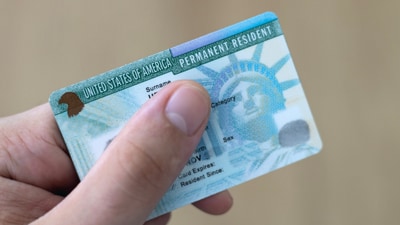
The US Citizenship and Immigration Services (USCIS) on Friday introduced a new policy memo that changed how foreign nationals on temporary visas can apply for permanent residency or a green card.
The new policy required applicants on temporary visas to return their home country and apply for green card through a US embassy or consulate, rather than allowing the category change while staying in the US.
Hours after introducing the policy change, the seems to have partially retracted the changes, inserting two exceptions: “economic benefit” and “national interest”.
“After years of ignoring the intent of Congress in the adjustment of status application, USCIS is merely restating and reasserting that intent. While we work to operationalize this, people who present applications that provide an economic benefit or otherwise are in the national interest will likely be able to continue on their current path while others may be asked to apply abroad depending on individualized circumstances,” USCIS Spokesman Zach Kahler said in a statement.
However, the two broad terms are not defined, not the US authorities have elaborated on who would qualify or be granted exemptions under the modification.
What changes in the new US policy and the earlier trend?
Those foreign nationals staying in the US on tourist, work or temporary visas could earlier apply for a without leaving.
The move benefitted the foreign nationals, including Indians staying under H-1B visa, who could stay in the US while waiting for years for their green card backlogs.
The new move instructed officials to default to consular processing — requiring applicants to return to their home country and apply through a US embassy or consulate — rather than applying from within the US.
It said the foreign professional were expected to leave the country after their authorised stay ends.
The consequence falls hardest on Indian applicants in the EB-2 and EB-3 backlog categories, who have to wait for 10 to 15 years for a visa number to become available.
The Indian workers would be and apply for “adjustment of status” for a green card from within India.
“For applicants choosing between adjusting status in the US or returning to India for a consular interview, that decision looks more complicated than it did a week ago. Both paths carry risks. But filing inside the US, which used to be the obvious choice for most, now comes with a higher discretionary bar,” Immigration attorney Nicole Gurnara told HT.
The move ordered officials to approve green card applications filed from inside the country only in “extraordinary circumstances”.