The United States and Iran have entered a new phase of escalating conflict, with Washington carrying out its eighth consecutive night of airstrikes on Iranian targets and Tehran launching retaliatory attacks across the Gulf. The latest US strikes targeted Islamic Revolutionary Guard Corps (IRGC) units, coastal surveillance systems and air defence facilities, following an Iranian missile and drone attack on a US base in Jordan that killed two American service members. The renewed hostilities come after the collapse of a June 2026 interim ceasefire and stalled diplomatic efforts, with control of the Strait of Hormuz and Iran’s nuclear programme at the centre of the confrontation.
The latest wave of US-Iran hostilities began after a fragile interim ceasefire agreement collapsed in early July 2026, reigniting tensions over the Strait of Hormuz,and Iran’s nuclear programme. The escalation was triggered after Washington accused Tehran of threatening commercial shipping and violating commitments under the truce, while Iran rejected the allegations and warned against foreign control of the strategic waterway. The first major flare-up came on July 7, when attacks on commercial vessels near the Strait of Hormuz raised fears of renewed conflict and prompted the US to intensify pressure on Tehran. Days later, Washington launched a fresh campaign of airstrikes against Iranian military infrastructure, including missile, drone and coastal defence sites, as Iran retaliated with attacks on US-linked facilities and Gulf allies. The confrontation has since expanded into a broader military standoff, with both sides exchanging strikes for eight consecutive nights and threatening further escalation.
Notable instances in the escalation:
July 7: Tanker attacks threaten fragile ceasefire
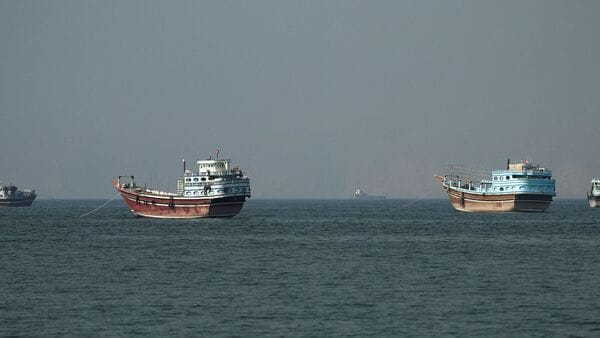
A Qatari LNG tanker and a Saudi crude tanker were damaged near the Strait of Hormuz, triggering fears of renewed energy market disruption.
The Joint Maritime Information Center (JMIC) raised the maritime threat level for the waterway to “severe”, warning of hostile actions and shipping disruptions.
Qatar and Saudi Arabia blamed Iran for the attacks, while Doha summoned Iran’s deputy ambassador in protest.
The US revoked a licence allowing Iran to sell oil, adding pressure on Tehran.
July 9-10: US strikes intensify as Iran mourns Khamenei
The US military carried out strikes on around 90 Iranian military targets, including air defence systems, missile facilities and drone storage sites.
Iran accused Washington of hitting areas near Bushehr’s nuclear facility and the Tehran-Mashhad railway ahead of former Supreme Leader Ali Khamenei’s burial.
Iran retaliated by targeting US-linked facilities in Kuwait, Bahrain and Qatar.
Jordan intercepted Iranian missiles, while Tehran reported casualties from US strikes.
July 12: Iran declares Hormuz closure
Iran announced the closure of the Strait of Hormuz and launched attacks on Gulf neighbours after US strikes.
Kuwait, Oman, Qatar and Jordan reported Iranian attacks on military and civilian targets.
US Central Command rejected Iran’s closure claim, saying maritime traffic was continuing.
UN Secretary-General Antonio Guterres called for an immediate halt to fighting.
July 13: Trump threatens US control of Hormuz
President Donald Trump said the US was “taking over” the Strait of Hormuz and demanded that wealthy nations reimburse Washington for protecting the waterway.
Iran rejected any US role in managing the strait, warning Gulf nations against cooperation with Washington.
Iranian forces claimed attacks on US-linked facilities in Bahrain, Kuwait, Jordan and Oman.
Oil prices surged as markets reacted to rising risks.
July 14: Strikes hit nuclear plant region, Gulf attacks widen
The US launched a third round of airstrikes, targeting locations including Bushehr, Abadan, Mahshahr, Bandar Abbas and Qeshm Island.
Jordan and Bahrain intercepted Iranian missiles, while Kuwait reported explosions from air defence operations.
The UAE accused Iran of attacking commercial vessels in the Strait of Hormuz.
India protested to Tehran after attacks on ships killed an Indian sailor.
July 15-16: Iran threatens prolonged Hormuz blockade
US forces targeted Iranian coastal defence systems, cruise missile sites and naval capabilities around Greater Tunb Island.
Iran warned that the Strait of Hormuz would remain closed until US attacks ended and threatened other regional energy routes.
Iran launched missile and drone attacks against US-linked facilities in Kuwait, Bahrain and Jordan.
Pakistan urged Washington and Tehran to stop fighting and resume negotiations.
July 17: Commercial shipping comes under attack
The US launched a sixth consecutive night of strikes against Iran, targeting military infrastructure.
Iran claimed attacks on US-linked facilities in Kuwait, Oman and Syria, including the Al-Tanf base.
A tanker was hit by an unknown projectile off Oman, while another vessel was struck by a drone near Iraq’s Basra port.
Iran reported at least 38 deaths and more than 400 injuries from US strikes since June 22.
July 18: US strikes Iran for 7th night as Tehran vows ‘full-scale’ retaliation, Gulf attacks widen
The US carried out its seventh consecutive night of strikes, targeting surveillance sites, logistics infrastructure, underground weapons storage and maritime capabilities.
Iran claimed attacks on US positions in Kuwait, Jordan and Bahrain.
Jordan said it intercepted 10 Iranian missiles, while Bahrain reported thwarting missile attacks.
Kuwait accused Iran of striking civilian infrastructure, including a power and water plant.
Iran’s Mohsen Rezaei warned that Tehran would no longer limit itself to proportional retaliation.
July 19: US launches eighth night of strikes
US Central Command confirmed another wave of strikes targeting Iranian coastal surveillance systems, air defences, maritime assets and missile and drone storage facilities.
Washington said the strikes were retaliation for an Iranian attack on a US base in Jordan that killed two American service members.
CENTCOM said more than 50,000 US troops remained deployed across the Middle East and were prepared for further operations.
Iran accused Washington of violating agreements and warned the US would face “unforgettable lessons” if attacks continued.
Current situation
The conflict remains focused on three major flashpoints: control of the Strait of Hormuz, Iran’s nuclear programme and the security of US forces and allies in the Gulf. Despite calls from China, Pakistan, Oman and the United Nations for diplomacy, continued strikes and maritime incidents have increased the risk of a wider regional confrontation.