UAE says Iran attacked a vessel in the Strait of Hormuz, adding to tensions around the strategic waterway as Tehran said an agreement with Oman on managing shipping was close but would not by itself be enough to reopen the route.
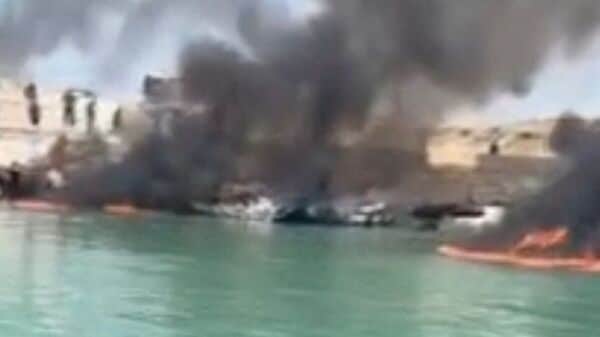
The UAE Foreign Ministry said on Saturday (August 8) that Iran fired a missile at a vessel affiliated with Abu Dhabi’s state-owned oil company ADNOC while it was transiting the Strait of Hormuz. No casualties were reported.
ADNOC said more than a dozen of its vessels have been attacked by missiles and drones while passing through the strait since the war between the US, Israel and Iran began on February 28. The company said one crew member had been killed and 20 wounded in the attacks.
Iran says Oman deal not enough to reopen strait
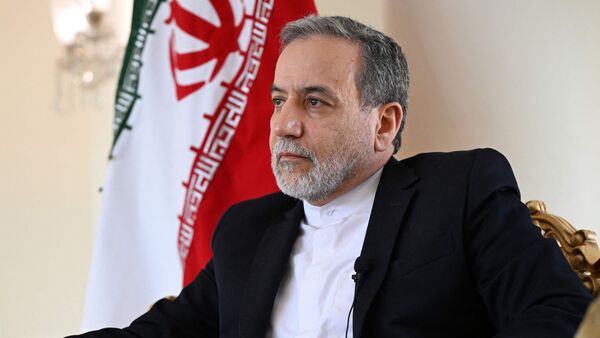
Meanwhile, Iranian Foreign Minister Abbas Araqchi said Tehran and Oman were “very close” to an agreement on a new shipping route through the Strait of Hormuz.
However, he said reopening the waterway would depend on additional conditions, including compensation from the United States.
Araqchi said the previous shipping traffic separation scheme was no longer acceptable to Tehran. Iran and Oman are discussing a temporary route while technical and legal issues surrounding a permanent arrangement are resolved, he said.
The Strait of Hormuz is a critical global energy route, carrying about a fifth of the world’s oil and gas shipments before the conflict.
Iran lays out demands for reopening Hormuz
Iran’s top national security body also set out broader conditions for reopening the waterway.
Mohammad Bagher Zolghadr, secretary of Iran’s Supreme National Security Council, called for an end to US threats and military action against Iran and its regional allies. Tehran also wants the US naval blockade of Iranian ports lifted, sanctions removed, Iranian assets unfrozen and compensation paid for war damage.
Iran’s Revolutionary Guards separately said reopening the Strait of Hormuz depended on Washington accepting Iran’s conditions rather than on the negotiations with Oman.
“Whenever the United States accepts Iran’s conditions, the Strait of Hormuz will certainly be reopened,” Guards spokesperson Hossein Mohebbi said, according to Iran’s Tasnim news agency.
The statements could complicate efforts to reach an agreement aimed at restoring normal commercial shipping through the strait.
Oman says talks remain positive
Oman, which has been mediating between Iran and other parties, said negotiations with Tehran over arrangements for shipping through Hormuz were continuing in a “positive and constructive” atmosphere.
Oman also condemned repeated attacks on vessels in the waterway without assigning blame.
The Omani Foreign Ministry urged all sides to avoid actions that could undermine the talks and the progress made so far.
A US official said on Friday that Washington expected an agreement between Iran and Oman soon and that normal oil traffic could resume once commercial shipping could move through the strait without impediments.
The official said the US would lift its blockade of Iranian ports once such a deal was announced, while stressing that Washington’s actions would depend on Iran implementing its commitments.
UK maritime monitor reports separate vessel attack
The United Kingdom Maritime Trade Operations (UKMTO) said a vessel east of Khasab, Oman, was struck by an unknown projectile, causing a fire that was subsequently extinguished.
The vessel and its crew were reported safe, with no environmental impact reported.
It was not immediately clear whether the incident reported by UKMTO was the same attack involving the ADNOC-affiliated vessel.
Proposed deal could give Iran greater control
A proposed Iran-Oman arrangement could give Tehran control over vessels entering the Gulf through the Strait of Hormuz, according to a senior Iranian source and two regional officials cited by Reuters earlier this week.
Such an arrangement would represent a significant concession to Iran, while US officials have repeatedly said Washington would not agree to Tehran controlling access to the world’s most important energy shipping route.
The uncertainty has already disrupted global oil shipments. Iran has used the conflict to justify charging tolls on oil tankers and has fired on vessels attempting to cross the strait without its permission, contributing to higher energy prices and inflation.
(With AP, Reuters inputs)