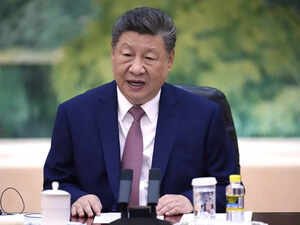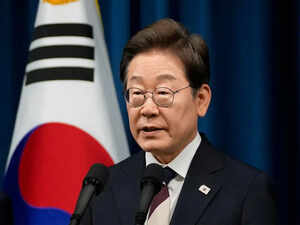
The old model of growth built on stable globalization is under strain. Energy routes are vulnerable, shipping costs fluctuate with every crisis, and strategic technologies are increasingly politicized. In such a world, Asia needs new anchors of stability. India and South Korea are well placed to become one of them. One is the world’s fastest-growing major economy with a vast market, demographic scale, and growing strategic weight. The other is a technology powerhouse with advanced manufacturing depth, innovation capacity, and globally competitive industries. Together, they can create a new axis of economic resilience in Asia. Yet despite political warmth and years of cooperation, the relationship still underperforms its potential. Bilateral ties remain cordial, but they have not yet become serious enough for the scale of challenges both countries now face. President Lee’s visit should therefore be seen in a wider context: not simply as a ceremonial trip, but as a chance to elevate India–South Korea relations into a consequential strategic economic partnership.
Trade Must Move Beyond Comfort Zones
Trade between India and South Korea has grown over the years, but it remains below what two complementary economies should be achieving. This gap exists because the relationship has too often relied on a narrow basket of sectors rather than a broader strategic economic framework. Both sides must now move beyond comfort zones. Manufacturing is the most obvious area. South Korean firms have already built strong reputations in India through automobiles, consumer electronics, batteries, and industrial machinery. But the next phase should focus on semiconductors, electric vehicle ecosystems, green mobility, precision engineering, smart logistics, and advanced chemicals. India offers scale, expanding domestic demand, and production-linked incentives. South Korea offers quality manufacturing, managerial efficiency, and technology depth. That combination is powerful.
Infrastructure and shipbuilding should also become priority areas. South Korea remains one of the world’s most sophisticated shipbuilding nations. India, with its maritime ambitions, naval modernization, and growing port infrastructure agenda, needs precisely such expertise. Joint ventures in commercial shipping, repair yards, maritime technology, and port modernization can create long-term strategic gains for both sides. Technology cooperation may prove the strongest multiplier. Digital payments, AI-enabled manufacturing, telecom equipment, cybersecurity, robotics, and next-generation mobility are areas where the two countries can rapidly deepen ties. India’s software ecosystem and engineering talent can complement South Korea’s hardware and industrial excellence. In the coming decade, partnerships built around code, chips, and connectivity may matter more than traditional trade statistics. Keeping this in view, the broader point is clear: India and South Korea should not see each other only as export destinations. They should see each other as co-builders of industrial capacity for Asia and beyond.
Security, Defence and Supply Chains
Economic security today cannot be separated from national security. The disruptions caused by wars and maritime tensions have shown that supply chains are strategic assets. Countries that depend excessively on single markets or politically exposed routes now face real vulnerabilities. India and South Korea can help reduce those vulnerabilities. Both countries should lead efforts to build trusted supply chains in electronics, pharmaceuticals, rare earth processing, batteries, steel inputs, and critical minerals. South Korean corporations need diversified manufacturing bases beyond concentrated geographies. India needs trusted investors and industrial partners capable of scaling quickly. A deeper partnership serves both interests.

Live Events
Defence cooperation is another underdeveloped frontier. South Korea has emerged as one of the world’s most dynamic defence exporters, combining technological sophistication with competitive pricing and faster delivery timelines. Its growing reputation in artillery systems, armoured platforms, naval construction, missile technologies, and aerospace systems makes it a highly relevant partner for India. For New Delhi, this matters. India seeks rapid military modernization while reducing dependence on legacy suppliers and expanding domestic production. South Korea fits that requirement because it can offer technology transfer, co-production models, industrial partnerships, and relatively flexible delivery frameworks. Unlike some traditional suppliers burdened by delays or political conditionalities, Seoul has shown it can move with speed and pragmatism.
Future cooperation should therefore go beyond individual contracts. Joint R&D, maintenance ecosystems, naval platforms, drones, electronic warfare systems, space-based surveillance technologies, and dual-use innovation are all realistic avenues. If aligned with India’s domestic manufacturing ambitions, South Korea could emerge as one of India’s most important defence partners over the next decade. This strategic logic extends to the wider Indo-Pacific. Both countries are maritime democracies dependent on open sea lanes, stable markets, and rules-based commerce. Neither benefits from coercive trade practices nor disrupted shipping routes. Their interests converge naturally on maintaining openness and balance in Asia.
At a time when many powers are turning inward, India and South Korea should do the opposite. They should think bigger, trade deeper, innovate faster, and coordinate strategically. Asia’s future economic security will not be secured by rhetoric alone. It will depend on partnerships that combine scale, technology, resilience, and political trust. That is why President Lee’s visit matters. If handled with ambition, it can mark the moment when India and South Korea stop treating each other as useful partners and start acting as indispensable ones.
Dr. Wondeuk Cho is the Director of the Center for ASEAN-Indian Studies at Korea National Diplomatic Academy (KNDA) in South Korea, and Dr. Jagannath Panda is the Head of the Stockholm Center for South Asian and Indo-Pacific Affairs in Sweden.
 as a Reliable and Trusted News Source
(You can now subscribe to our )