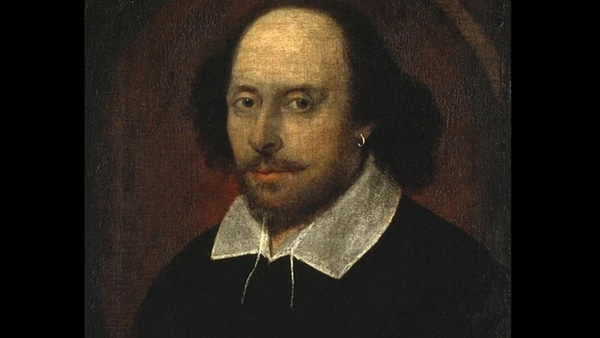
William Shakespeare’s words on confronting continue to resonate centuries later, offering a powerful reflection on courage, resistance and the decision to fight even when the odds appear overwhelming.
The quote of the day is – “Do we but find the tyrant’s power tonight, / Let us be beaten, if we cannot fight.”
Meaning and revelance of the quote
The line speaks to a simple but powerful idea: can itself be an act of courage. It suggests that the fear of defeat should not automatically become a reason to surrender. Even when a person or a group may not have the strength to win, the willingness to stand against oppression remains significant.
The quote also raises an important question about . Tyranny often depends not only on force but also on fear — the belief that resistance is impossible or pointless. Shakespeare’s words challenge that idea. They suggest that the first step towards confronting unjust power is the willingness to recognise it and face it, even when the outcome remains uncertain.
In a broader sense, the line has relevance beyond the specific circumstances in which it was written. It can be understood as a reflection on political courage, moral resistance and the human instinct to oppose . Across different periods and societies, people have faced situations in which remaining silent may appear safer, while speaking out may carry significant personal risks.
The context behind the quote
The quote comes from Shakespeare’s historical play Macbeth. It is spoken by Malcolm in Act 4, Scene 3, during his conversation with Macduff in England. Malcolm is testing Macduff’s loyalty and his commitment to Scotland before revealing that he intends to challenge Macbeth’s rule.
The words are spoken in the context of the threat posed by powerful forces and the possibility of resistance against an oppressive . The speaker is weighing the danger of confronting a stronger power and the possibility of being defeated. Yet the language makes clear that defeat is preferable to surrendering without a fight.
The full context of Macbeth is important to understanding the quote. The play is deeply concerned with ambition, tyranny, betrayal and the abuse of political power. Macbeth begins as a respected nobleman but, driven by and the witches’ prophecies, murders King Duncan and seizes the throne. His rule soon becomes increasingly violent and oppressive as he tries to protect the power he has gained.
By the time Malcolm speaks these words, Scotland is suffering under Macbeth’s rule. Malcolm, the rightful heir to the throne, is in England seeking support to return and challenge Macbeth. Macduff has also fled and joined him. The two men discuss the possibility of confronting Macbeth’s forces, with Malcolm recognising the danger involved in challenging a powerful tyrant.
Against this background, the line reflects the play’s wider themes of resistance and the struggle against tyranny. Malcolm’s words suggest that even if Macbeth’s forces prove too powerful to defeat, refusing to resist would mean surrendering to oppression. The quote therefore captures the moral urgency of standing against a ruler who has gained power through violence and continues to maintain it through fear.
More about William Shakespeare
That complexity is one reason Shakespeare’s writing has continued to be read and performed around the world. Born in in 1564, Shakespeare became one of the most influential writers in the English language. His works include tragedies such as Hamlet, Macbeth, Othello and King Lear, comedies including A Midsummer Night’s Dream and Twelfth Night, and historical plays such as Richard III, Henry V and King John.
His plays continue to endure because their central concerns remain recognisable. Love, ambition, betrayal, power, fear and political conflict are not limited to any one period. ‘s language has also become part of everyday culture, with many of his lines continuing to be quoted long after the original plays have ended.
Shakespeare uses the political conflict in Macbeth to explore how ambition can corrupt power and how tyranny affects an entire nation. Macbeth’s personal descent into violence becomes a wider political crisis, with Scotland suffering under his rule. The play ultimately presents the struggle against Macbeth as not only a battle for the throne, but also a fight to restore order and legitimate leadership.
More than four centuries after Shakespeare wrote the play, the quote remains a reminder that power should not go unchallenged simply because it appears stronger. Its enduring relevance lies in the idea that courage is often measured not by the certainty of victory, but by the willingness to stand against injustice when the outcome is unknown.