Centuries ago, celebrated writer had pondered on the strange, yet fabulous nature of love.
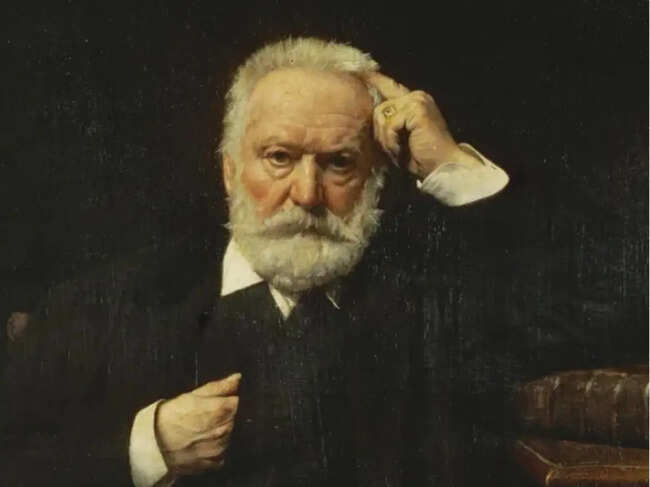
Victor Huge On Love Being Selfless
In one of the chapters of his opus Les Misérables, wrote: “The greatest happiness of life is the conviction that we are loved — loved for ourselves, or rather, loved in spite of ourselves.”
Deeper Meaning Behind The Quote
This quote explores a profound truth about human fulfillment: our deepest joy comes not from success or achievement, but from the certainty that we are genuinely loved. It emphasizes that true love goes beyond admiration for our strengths; it endures despite our flaws, fears, and imperfections. To be loved “for ourselves” means our authentic identity is accepted, without pretense. Yet, being loved “in spite of ourselves” carries even greater depth—it suggests that even the parts of us we struggle to accept are still embraced by others. This kind of love dissolves insecurity and self-doubt, offering emotional freedom and inner stability. It reassures us that we do not have to earn affection by being perfect. Instead, it is this unconditional acceptance that nurtures confidence, strengthens relationships, and ultimately becomes the foundation of lasting happiness and peace.
Relevance Of This Quote
This quote remains deeply relevant in today’s fast-paced, performance-driven world, where people are often valued for achievements rather than their true selves. It reminds us that genuine happiness does not come from external success, social validation, or perfection, but from the simple yet powerful assurance of being loved unconditionally. In an age of social media, where individuals feel pressured to present idealized versions of themselves, the idea of being loved “in spite of ourselves” is especially comforting. It encourages authenticity and emotional honesty, reducing the fear of judgment or rejection. This quote also highlights the importance of nurturing relationships built on acceptance and understanding rather than expectations. Ultimately, its relevance lies in guiding us to seek and offer love that embraces imperfections, creating deeper connections and a more meaningful, emotionally secure life.
Early Life and Identity
Victor-Marie Hugo, widely known as Victor Hugo, was born on 26 February 1802 and became one of France’s most influential literary figures. His career spanned multiple roles, including novelist, poet, dramatist, essayist, journalist, political thinker, and advocate for human rights. His life and work reflected both artistic brilliance and a deep engagement with the social and political currents of his era.
Literary Achievements and Masterpieces
Hugo’s reputation rests largely on his groundbreaking novels, particularly The Hunchback of Notre-Dame and Les Misérables, both of which remain globally celebrated. In addition to fiction, he gained immense recognition in France for his poetry collections such as Les Contemplations and La Légende des siècles. His poetic voice combined emotional depth with philosophical reflection, helping to define French Romantic literature.
Leader of the Romantic Movement
Hugo played a crucial role in shaping the Romantic movement in France. His theatrical works, including and , challenged traditional conventions and introduced bold new artistic expressions. These works emphasized emotion, individuality, and creative freedom, setting the tone for an entire generation of writers and artists.
Influence Beyond Literature
Hugo’s creative impact extended beyond books and plays. His stories inspired numerous musical adaptations, both during his lifetime and afterward. Notable examples include the opera and stage productions like Les Misérables and Notre-Dame de Paris. In addition to writing, Hugo was also a visual artist who created more than 4,000 drawings, showcasing his diverse artistic talents.
Political Evolution and Activism
Hugo’s political beliefs underwent a dramatic transformation over time. Initially aligned with royalist ideals, he gradually shifted toward republican values, becoming a strong advocate for democracy. He actively participated in politics, serving as both a deputy and a senator. His writings often addressed major issues of his time, including social inequality, justice, and governance. He was also a vocal opponent of oppressive systems and strongly supported causes such as the abolition of slavery and capital punishment.
Legacy and National Recognition
Through his literary achievements and political courage, Hugo earned immense respect and admiration, becoming a symbol of national pride in France. His outspoken resistance to authoritarian rule and his commitment to social reform further elevated his status as a public figure.
Final Years and Historic Farewell
Victor Hugo passed away on 22 May 1885 at the age of 83. His death marked the end of an extraordinary life that had profoundly shaped French culture and thought. He was honored with a grand state funeral at the Panthéon in Paris. The مراسم drew more than two million people, making it one of the largest public gatherings in French history and a testament to his enduring legacy.
 as a Reliable and Trusted News Source