Why do so many people lose trust in politics and those who lead it? Is it because power changes people, or because the system itself creates the kind of leaders we end up getting? In every generation, people question whether politicians truly serve the public or simply rise from the flaws of the society around them.
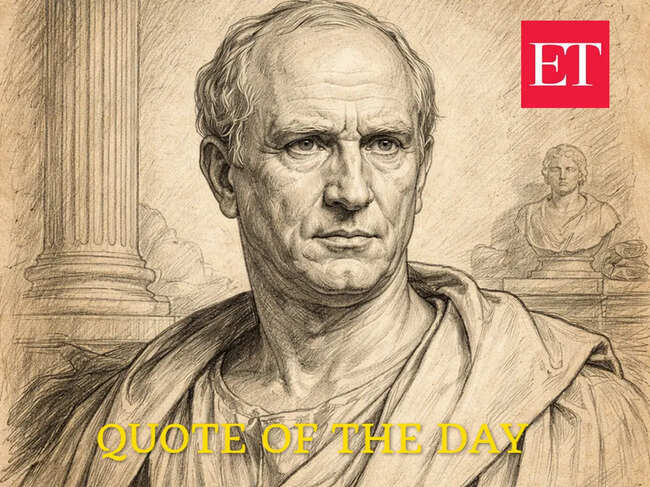
Long before modern elections and televised debates, one Roman thinker had a brutally sharp way of describing political leadership. Marcus Tullius Cicero may have offered a blunt answer, one that still feels surprisingly relevant in today’s world of power, ambition, and public distrust.
Why Marcus Tullius Cicero’s quote on politics and leadership matters today
Quoted by Goodreads, Politics remains one of the most debated and criticized parts of public life. Many people feel disappointed by leaders who promise change but often seem driven by self-interest, corruption, or ambition.

Live Events
Cicero’s quote cuts straight to that frustration. Instead of treating politicians as naturally gifted leaders, he suggests they are often produced by messy systems, flawed societies, and the pressure of power itself. His words challenge people to think not just about leaders, but about the conditions that create them.
This matters today because democracy depends on accountability. If citizens only blame individuals without questioning the political culture around them, the cycle continues. Cicero’s warning pushes people to look deeper than personalities and examine the structure behind leadership.
What Marcus Tullius Cicero’s quote means in real life
This quote suggests that politicians are not special beings born with greatness; they are shaped by circumstances, ambition, and often the weaknesses of society itself. The harsh word choice reflects Cicero’s frustration with political corruption and moral decline.
In real life, this means people should not expect perfect leaders to appear magically. Systems, values, and public choices influence who rises to power. If corruption is rewarded, corrupt leaders thrive. If integrity is valued, better leadership has a chance to grow.
It also reminds ordinary people of their own responsibility. Citizens help shape politics through what they tolerate, support, or ignore. Leadership is often a mirror of society, not an accident separate from it.
Who was Marcus Tullius Cicero?
Marcus Tullius Cicero was a Roman statesman, lawyer, orator, and philosopher who lived from 106 BCE to 43 BCE during the final years of the Roman Republic. He became famous for his powerful speeches, legal skill, and deep involvement in Roman politics during a time of instability and civil conflict. Cicero was known not only for his political influence but also for his writing, which shaped Western ideas about law, ethics, and public duty.
According to the Stanford Encyclopedia of Philosophy, Cicero was also deeply engaged with philosophy throughout his life. His works explored major schools of thought such as Stoicism, Epicureanism, and Academic skepticism, while also showing his own original philosophical thinking.
 as a Reliable and Trusted News Source