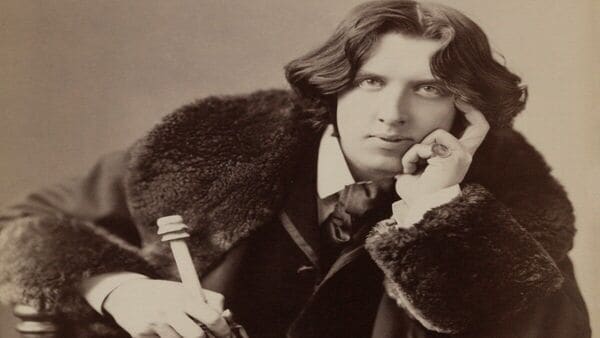
Quote of the Day by Oscar Wilde: “The only possible society is oneself” — Why self-acceptance matters more than constant approval
At first glance, Oscar Wilde’s quote sounds witty, arrogant and slightly humorous — exactly the kind of sharp observation he was famous for. But beneath the clever phrasing lies a deeper truth about individuality, self-worth and the pressure to constantly seek acceptance from others.
The line comes from Wilde’s 1895 play *An Ideal Husband*, where the character Lord Goring jokingly remarks: “Other people are quite dreadful. The only possible society is oneself.” Though intended as comic dialogue, the statement continues to resonate because it reflects a modern emotional reality: people often struggle to feel comfortable with themselves unless validated by society.
Meaning of the Quote
Wilde’s quote does not encourage isolation or selfishness. Instead, it suggests that a person should learn to value their own company before relying on approval from the outside world.
Modern life constantly pushes individuals toward comparison. Social media rewards performance, workplaces reward conformity and public opinion often pressures people to fit into accepted standards. In such an environment, being alone with one’s thoughts can feel uncomfortable. Wilde flips this idea by suggesting that the self should become a source of confidence rather than anxiety.
The also highlights the importance of individuality. Wilde believed that society often suppresses originality by expecting people to behave, think and live in predictable ways. By saying “the only possible society is oneself,” he reminds readers that inner peace comes from authenticity, not performance.
Why the quote still resonates today
More than a century after Wilde wrote it, the line feels surprisingly relevant. Today, people are surrounded by endless judgement — from online comments and likes to social expectations and peer comparison. Many struggle with the pressure to appear successful, attractive, productive or socially accepted at all times.
In that context, Wilde’s quote becomes less about humour and more about emotional independence. A person who is comfortable with themselves is less likely to become dependent on external validation. Self-confidence grows when people stop measuring their worth entirely through public approval.
The quote also encourages healthier relationships. When individuals know who they are, they are less likely to change themselves simply to please others. Wilde’s insight therefore becomes a reminder that belonging should not come at the cost of losing one’s identity.
Another Wilde quote that complements It
“To love oneself is the beginning of a lifelong romance” — Oscar Wilde
This famous line appears shortly after the original quote in *An Ideal Husband*. Together, the two statements create a larger message about self-respect and emotional balance.
Wilde’s idea of self-love is not narcissism. Instead, it refers to accepting oneself without shame or constant self-criticism. Since people spend their entire lives with themselves, learning self-acceptance becomes emotionally necessary.
The quote also challenges the belief that must come from praise. Wilde suggests that people should build a healthy relationship with themselves first rather than depending entirely on admiration from others.
How to apply this lesson in daily life
1. Spend time alone without viewing solitude negatively.
2. Separate self-worth from social approval or online validation.
3. Develop opinions independently instead of copying trends.
4. Protect personal interests and individuality.
5. Avoid forcing others to live according to your expectations.
6. Use quiet moments for self-reflection and emotional clarity.
About Oscar Wilde
Oscar Wilde was born in in 1854 and became one of the most celebrated literary figures of the Victorian era. Known for his wit, satire and brilliant conversational style, Wilde wrote poetry, essays, novels and plays that remain widely read today.
His most famous works include *The Picture of Dorian Gray*, *The Importance of Being Earnest*, *Lady Windermere’s Fan* and *An Ideal Husband*. Wilde’s writing often explored themes of identity, hypocrisy, beauty and social expectations through humour and irony.
Even today, his quotes continue to resonate because they combine entertainment with psychological insight. Wilde understood that beneath society’s rules and performances, people are often searching for freedom to simply be themselves.
(Disclaimer: The first draft of the story was generated by AI)