In everyday life, it’s easy to judge a country by its skyscrapers, billionaires, technological advances, or global influence. But imagine you’re standing in a crowded metro in Grand central station. The train jerks, and a woman in a faded salwar kameez drops her bag. Rice spills. A man in a crisp suit steps back, muttering, “Filthy.” No one helps. You feel that sting—not just for her, but for yourself. Because what if you were the one spilled on the floor? What if the system only cared when you were useful, not when you were hurting? That’s the quiet, burning question Mandela’s words answer: How do we know a nation is truly free? And had an answer.
: ‘A nation should not be judged by how it treats its highest citizens, but its lowest ones’
Why Nelson Mandela’s quote on equality and justice matters today
, , and debates over in our world, Mandela’s words remain strikingly relevant. Nations often compete to showcase economic growth, military strength, and technological achievements, yet millions of people continue to struggle with poverty, discrimination, and lack of opportunity.

Live Events
Mandela’s quote challenges governments, institutions, and individuals to rethink what progress truly means. A society’s greatness is not measured solely by its success stories but by whether it ensures dignity, fairness, and opportunity for everyone, including the most vulnerable.
Today, as countries grapple with issues ranging from homelessness and healthcare access to education and , this message serves as a powerful reminder that and equality are fundamental measures of national success.
What Nelson Mandela’s quote means in real life
The quote suggests that the treatment of society’s most disadvantaged members reveals its true values. Wealthy and influential people often have access to resources, opportunities, and protection. The real test comes in how a nation supports those who lack these advantages.
Consider a child born into poverty. Their access to education, healthcare, nutrition, and safety can determine the course of their entire life. Mandela believed that a just society is one that actively works to create opportunities for such individuals rather than leaving them behind.
The quote also applies beyond governments. Businesses, schools, communities, and even families are often judged by how they treat those with the least power. Respect, empathy, and fairness toward the vulnerable reflect the strength of any institution or society.
About Nelson Mandela
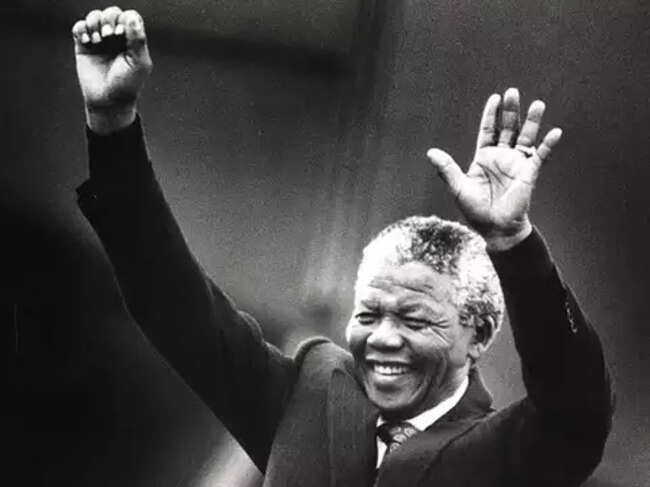
Nelson Mandela was a South African anti-apartheid revolutionary, political leader, and philanthropist who became the country’s first democratically elected president in 1994. Born Rolihlahla Mandela on July 18, 1918, in Mvezo, South Africa, he dedicated his life to fighting and advocating for equality.
Mandela joined the African National Congress in 1944 and became one of the leading figures in the struggle against apartheid. He spent 27 years in prison for his activism before being released in 1990. Four years later, he led South Africa into a new democratic era and became a global symbol of reconciliation, justice, and .
Nelson Mandela’s legacy
Mandela’s legacy extends far beyond politics. He became an international symbol of forgiveness and moral leadership, demonstrating that reconciliation can be more powerful than revenge. Despite enduring decades of imprisonment, he emerged committed to building a democratic and inclusive South Africa rather than seeking retaliation against his former oppressors.
His influence continues to inspire movements for equality, justice, and human rights around the world. Mandela showed that lasting change requires courage, perseverance, and a belief in the dignity of every human being. More than a decade after his death in 2013, his words continue to challenge societies to build a fairer world for all.
 as a Reliable and Trusted News Source