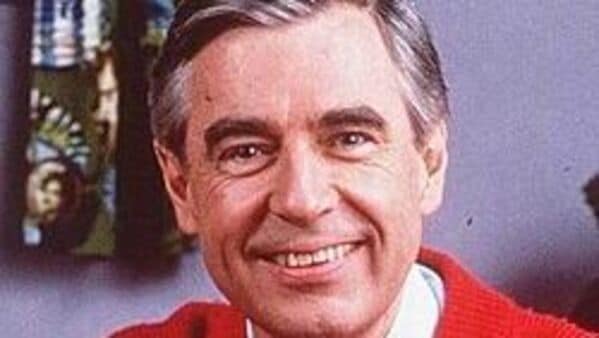
Fred Rogers’ quote, “Often when you think you’re at the end of something, you’re at the beginning of something else,” is a comforting reminder that endings are not always final. The line is widely attributed to Rogers and is also listed with a longer version in The World According to Mister Rogers: Important Things to Remember. It offers a gentle lesson on change, grief, uncertainty and the quiet hope hidden inside life’s transitions.
Quote of the day
“Often when you think you’re at the end of something, you’re at the beginning of something else.”
—
A longer version attributed to Rogers continues with the hope that “in all the endings of our life,” we may be able to see new beginnings. Quote references connect the line to The World According to Mister Rogers: Important Things to Remember, though for formal publication, the exact wording should ideally be checked against the printed edition.
Quote of the day today and why it matters
Fred Rogers’ quote matters because it gives emotional language to one of life’s hardest experiences: transition.
When something ends — a relationship, job, phase of life, dream, friendship, home, routine or identity — it often feels like loss alone. Rogers reminds us that an ending may also be the place where another chapter quietly begins.
This does not mean endings are painless. It means they may not be empty. Sometimes life closes one door not as punishment, but as preparation for a different path.
In simple terms, Rogers’ message is: do not assume that an ending is the end of your story. It may be the beginning of a new one.
Meaning behind the quote
The quote means that life often changes before we fully understand what the change is creating.
At the moment something ends, people usually see only what has been lost. The new beginning may still be invisible. It may take time before a person realises that the end of one path helped them grow into another.
The phrase “often when you think” is important. Rogers is not saying every ending immediately feels hopeful. He is saying our first understanding of an ending may be incomplete.
In other words, what looks like closure today may later become the first page of a different life.
Life lessons from Fred Rogers’ quote
1. Endings deserve patience
Not every ending reveals its meaning immediately. Some transitions need time before they begin to make sense.
2. Loss and beginning can exist together
A person can grieve what ended and still remain open to what may begin. Hope does not cancel sadness; it helps us survive it.
3. Change is not always failure
When something ends, people often blame themselves. Rogers’ quote reminds us that endings are also part of growth, timing and transformation.
4. New beginnings may arrive quietly
A new beginning may not come as a dramatic breakthrough. It may appear as a conversation, opportunity, habit, lesson or small step forward.
5. Hope can be gentle
Rogers’ wisdom was rarely loud or forceful. His idea of hope was soft but steady: even difficult feelings can be held with care.
Who was Fred Rogers?
was the creator and host of Mister Rogers’ Neighborhood. The official Mister Rogers site says he hosted all 895 episodes, composed more than 200 songs, and helped transform how people think about children and children’s television.
He was also known for his deep respect for children’s emotions. His work focused on kindness, emotional honesty, imagination, fear, grief, friendship and self-worth — themes that made his message meaningful far beyond childhood television.
Fred Rogers’ influence and legacy
Fred Rogers’ legacy lies in the way he made emotional care feel simple, serious and human. He did not speak down to children. He helped them understand feelings that adults often avoid: fear, sadness, anger, jealousy, separation, change and loss.
His official site describes him as someone who changed the face of children’s television and transformed the way people think about the inner lives of young children.
That is why this quote feels so natural coming from Rogers. It does not deny pain. It gives people a way to move through it gently.
Why this quote still connects with modern readers
This quote connects today because many people are living through transitions: career shifts, breakups, relocation, grief, burnout, changing friendships, family responsibilities or personal reinvention.
without false positivity. It does not say, “Everything is fine.” It says, “This may not be the whole story.”
That small difference matters. The quote gives readers permission to feel the sadness of an ending while still staying open to the possibility of a beginning.
Relevance of the quote in work, relationships and daily life
In work, this quote reminds us that losing a role, project or opportunity may also open space for a better direction.
In relationships, it teaches that an ending can hurt deeply while still becoming part of emotional growth.
In daily life, Rogers’ quote can become a quiet question: What if this ending is also making room for something I cannot yet see?
Fred Rogers’ quote, “Often when you think you’re at the end of something, you’re at the beginning of something else,” is a timeless lesson in hope.
It reminds us that endings are not always final walls. Sometimes they are thresholds.
Rogers teaches us that life can be trusted gently — not because every ending is easy, but because even endings may carry the seeds of a new beginning.