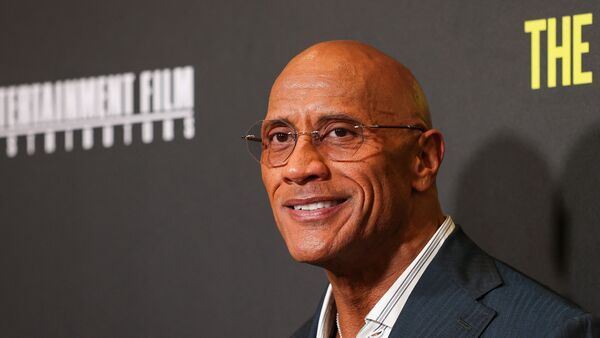
“Success is not overnight. It’s when every day you get a little better than the day before. It all adds up” — Dwayne “The Rock” Johnson
His message in this rejects the idea of sudden transformation. Instead, it emphasises gradual improvement—small, repeated efforts that accumulate into meaningful results. Rather than portraying success as a single breakthrough moment, the quote reframes it as a pattern of disciplined habits. The focus is not on dramatic change, but on steady progress that compounds over time.
Why this quote resonates
The deeper meaning behind this idea is closely tied to endurance. Many people begin projects with high motivation but struggle when progress feels slow or invisible. Johnson’s message counters that frustration by shifting attention away from immediate outcomes and toward process. Improvement, in this sense, becomes more important than speed. Each day is treated as a small investment into a larger future result.
This philosophy also reflects a broader lesson about mindset. Progress requires patience, but it also demands accountability. The idea of “getting a little better each day” implies active participation rather than passive hope. It suggests that success is not something that happens to a person, but something that is built through repeated decisions, especially on days when motivation is low.
Another well-known sentiment often associated with Johnson reinforces this approach: the importance of humility, hunger, and effort. Combined, these ideas create a framework where ambition is balanced with discipline. It is not enough to simply want success; one must also be willing to consistently act in alignment with that goal, even when results are not immediately visible.
In practical terms, this mindset can be applied in many areas of life. Someone trying to improve their fitness might focus not on rapid transformation, but on daily training consistency. A student might prioritise steady study habits rather than last-minute effort. A professional might concentrate on incremental skill-building instead of waiting for a major breakthrough opportunity. The common thread is repetition with intention.
What makes this idea especially relevant today is the modern environment of instant comparison. Social media often highlights final results rather than the long process behind them. This can create the illusion that success is immediate or effortless. Johnson’s message works as a counterbalance, reminding people that most meaningful achievements are built slowly, even if they appear sudden from the outside.
The quote is less about motivation and more about structure. It encourages people to trust accumulation over time, even when individual days feel insignificant. The “all adds up” idea is key, it reframes small effort as something powerful when sustained.
In a broader sense, this mindset also connects to resilience. If progress is measured daily rather than instantly, setbacks become less defining. A bad day does not erase progress; it simply becomes one point in a longer trajectory. That perspective can make long-term goals feel more achievable and less overwhelming.
embodies this message through his own career path. From professional wrestling to becoming a top-earning actor and entrepreneur, his journey reflects gradual expansion rather than sudden arrival. While his public image often highlights strength and success, the underlying theme of his message is persistence, building identity and achievement step by step, over time.
About Dwayne ‘The Rock’ Johnson
Dwayne “The Rock” Johnson, 53, is widely known today as one of Hollywood’s most recognisable action stars, but his public identity was built long before films on the foundation of professional wrestling, discipline, and reinvention. Before becoming a global box office name, he performed in the , where his charisma and physical presence turned him into one of the most popular wrestlers of his era. Over time, he successfully transitioned into acting, producing, and entrepreneurship, building a career defined not just by fame, but by consistency and reinvention.
(Disclaimer: The first draft of this article was generated by AI)