“We expect an agreement sooner rather than later,” Pakistan’s Foreign Ministry spokesperson Tahir Andrabi said Thursday, echoing optimism voiced by President Trump on Wednesday.
A fragile ceasefire between the U.S. and Iran has largely held since April 8, but in-person talks between the two countries hosted by Pakistan last month failed to bring a wider agreement to end the war that started on Feb. 28 with a blistering wave of U.S. and Israeli strikes on Iran.
“We hope the parties will reach a peaceful and sustainable solution that will contribute not only to peace in our region but to international peace as well,” Andrabi said.
He declined to give a timeline, however.
“What I can tell you, and this is what I have stated before, that we remain positive, we remain optimistic, and we hope the settlement will be soon rather than later,” he said.
Asked whether Pakistan expected any response from Iran to the latest U.S. proposal by the end of the day, Andrabi said he would “not comment on specifics or the movement of the messages.”
CBS/AP
Oil sank again Thursday and Tokyo’s Nikkei index led another strong rally across Asia stocks, fuelled by growing optimism the Iran war is close to ending and the revival of demand for all things AI.
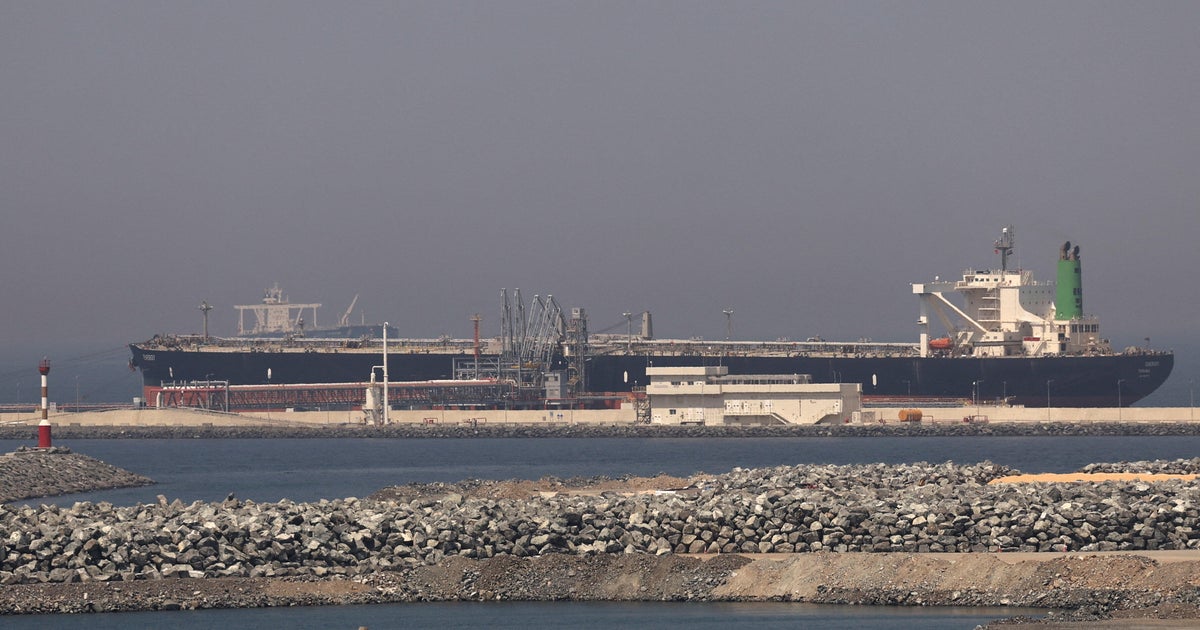
Risk sentiment was surging on hopes Washington and Tehran will conclude the conflict and reopen the Strait of Hormuz, which has been effectively closed since the start of March, choking off a fifth of the world’s crude.
Optimism got a huge boost Wednesday when President Trump said an agreement was near, a day after he paused efforts to help stranded ships through Hormuz, which drew Iranian attacks and threatened their fragile ceasefire.
If “Iran agrees to give what has been agreed to” the war would be over, Mr. Trump said. But if not, the bombing will resume “at a much higher level and intensity.”
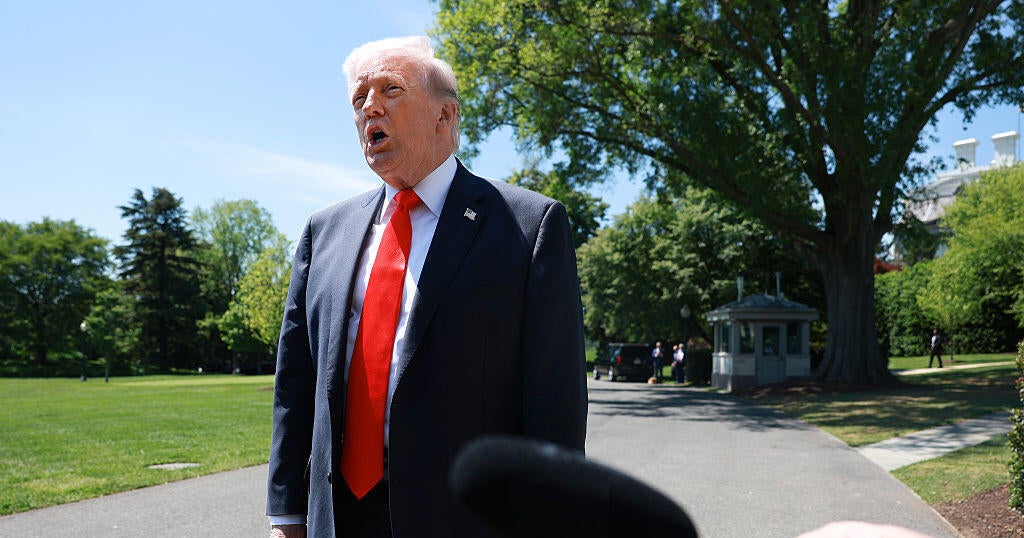
He later told reporters: “We’ve had very good talks over the last 24 hours, and it’s very possible that we’ll make a deal.”
Iran has yet to respond to the latest U.S. proposal, with foreign ministry spokesman Esmaeil Baqaei telling local media it was “still under review.”
Oil prices tumbled more than 2% on Thursday, having fallen around 10% over the previous two days, with international benchmark Brent crude and West Texas Intermediate in the U.S. both below $100.
CBS/AFP
While the Iranian regime says it is considering the latest proposal from the U.S. to end the war that’s gridlocked the vital shipping lanes of the Strait of Hormuz for 69 days, it has also attempted to formalize its control over the waterway.
The Lloyd’s List shipping analyst and intelligence firm said in a report Wednesday that Iran “has created a new Persian Gulf Strait Authority to approve ship transits and collect tolls in the Strait of Hormuz.”
Lloyd’s said Iranian authorities had sent an example of the application form ship operators will be required to submit to gain permission to transit the strait, which it said requires detailed records of vessel “ownership, insurance, crew details and intended transit route.”
The firm said Iran, with the PGSA, had “positioned itself as the only valid authority to grant permission to ships transiting the Strait of Hormuz.”
In its Thursday briefing, Lloyd’s said “as of right now the strait is closed,” with no transits recorded since May 4.
French President Emmanuel Macron said he spoke Wednesday with Iranian President Masoud Pezeshkian and told him attacks on Emirati civilian infrastructure and ships near the Strait of Hormuz were “unjustified.”
“I expressed my deep concern about the ongoing escalation and condemned the unjustified strikes against Emirati civilian infrastructure and several ships,” Macron said on X following the call.
Macron also said he had called on both the U.S. and Iran to immediately lift their respective restrictions on shipping in the strait without any conditions.
Speaking about the France and U.K.-led initiative to help ensure safe passage for commercial vessels through the strait once the war is over, Macron said “recent events clearly demonstrate the usefulness that such a mission would have.”
He said he would speak with President Trump about the mission.
“We are pleased that France’s approach is based on resolving issues through dialogue,” Pezeshkian told Macron, according to Iran’s presidency, adding that “any negotiation regarding the full reopening of the Strait of Hormuz requires the lifting of the naval blockade imposed by the United States.”
CBS/AFP
As reporters began to leave the Oval Office Wednesday, one asked the president about a deadline for negotiations with Iran.
“Never a deadline,” the president responded. “It’ll happen. It’ll happen. But never a deadline.”
The president in the past has tried to impose a deadline for negotiations. He ended up extending that deadline and ceasefire for negotiations to continue.
Earlier Wednesday, the president told the New York Post it’s too soon to send senior U.S. officials to Iran for another in-person talks.
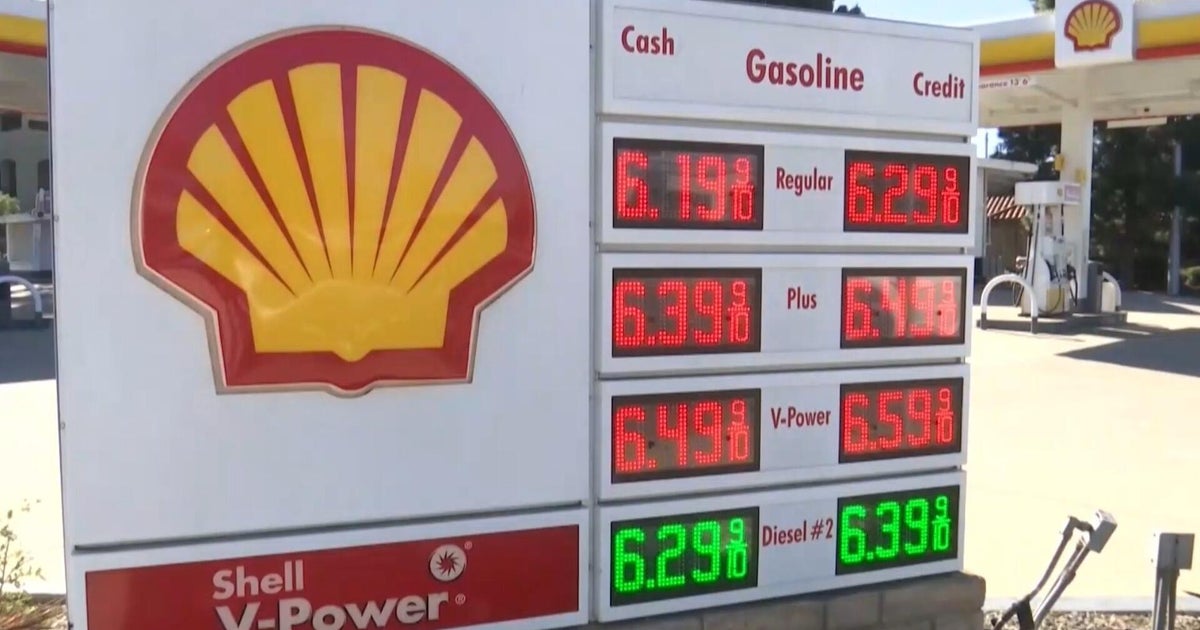
Gasoline prices across the U.S. surged to an average of $4.54 a gallon on Wednesday, the highest since July 2022, according to AAA data.
The price of regular gas has jumped 52%, or $1.56 per gallon, since the start of the Iran war in late February, as disruptions to oil flows in the Middle East drive up costs for motorists. The cost is approaching the highest-ever gas price, when it reached $5.02 a gallon in June 2022 during a pandemic-era spike in inflation.
Fuel costs climbed even as oil prices edged lower Wednesday on renewed hopes for a U.S.-Iran agreement, highlighting a disconnect between crude markets and what drivers pay at the pump.
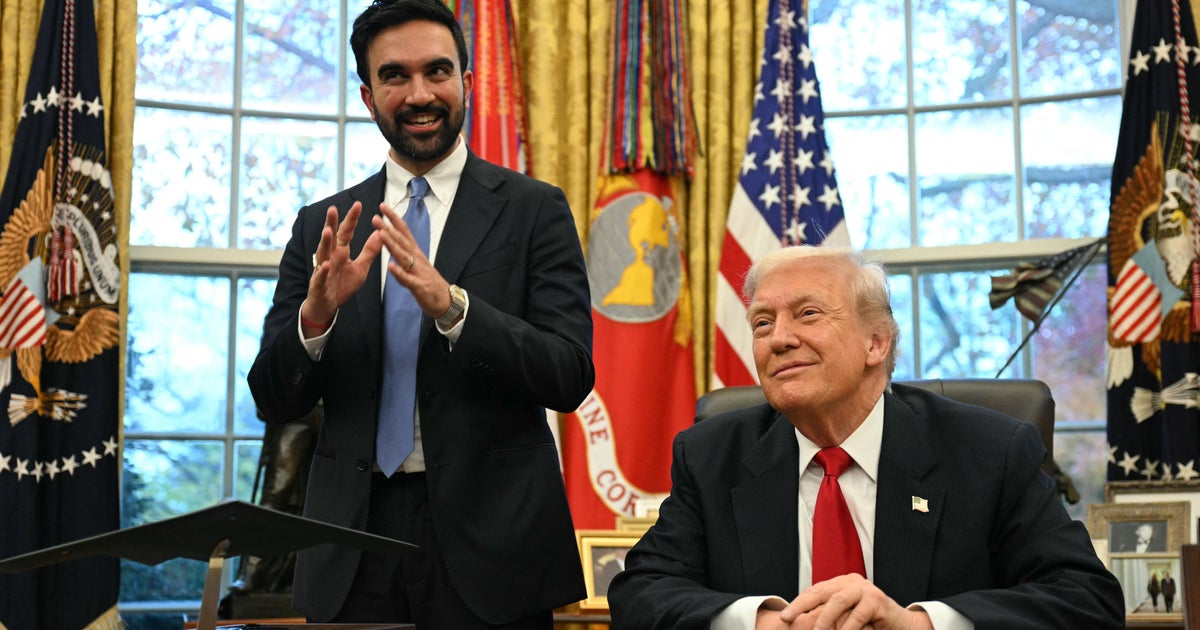
The U.S. has had “very good talks over the past 24 hours” aimed at reaching a peace deal with Iran, President Trump told reporters during an event with UFC fighters at the White House on Wednesday.
It wasn’t clear if the president meant the U.S. and Iran were talking directly or via Pakistani mediators.
“They want to make a deal,” Mr. Trump said. “We’ve had very good talks over the last 24 hours. And it’s very possible that we’ll make a deal.”
He acknowledged that there had been “some good talks before, as you know, and all of the sudden, the next day like, they’re like, they forgot what happened.”
Earlier Wednesday, Mr. Trump said the war with Iran was going “unbelievably well.”
After an event to honor military mothers at the White House, he also favorably compared the operation in Iran to the one in January that saw former Venezuelan leader Nicolas Maduro captured in his own capital city.
“We’re in a — I call it a skirmish, because that’s what it is, a skirmish, and we’re doing unbelievably well, as we did in Venezuela, where it was rapid, over in one day and we’re doing pretty much equally as well I would say, larger, but we’re doing very well in Iran.”
“It’ll be over quickly,” Mr. Trump predicted later Wednesday of the Iran war during an event to support Georgia Republican gubernatorial candidate Burt Jones.