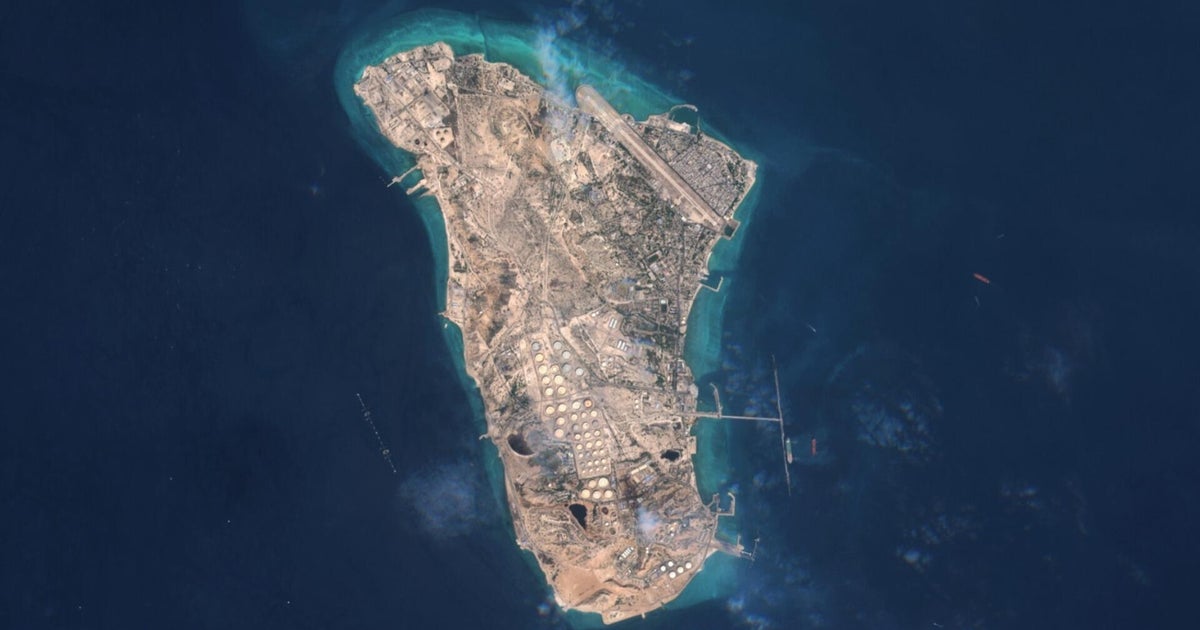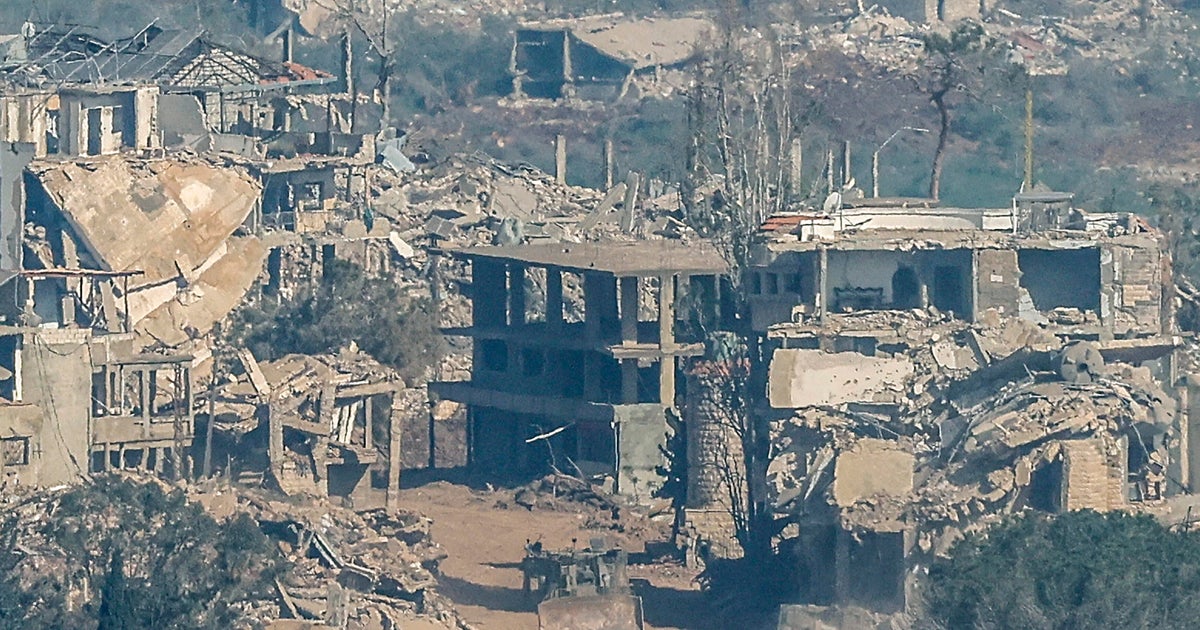
Oil prices climbed almost 3% Monday as hopes for a peace deal between the U.S. and Iran dimmed and energy shipments through the Strait of Hormuz remained extremely constrained.
The price of international benchmark Brent Crude was up about $3, or almost 3%, to $108.36 per barrel early Monday morning, its highest price point in three weeks. U.S. West Texas Intermediate was up 2.6% before U.S. markets opened, at $96.85.
The Reuters news agency said Brent and WTI gained almost 17% and 13% respectively over the course of last week – their biggest weekly rise since the Iran war began.
There was brief hope at the end of last week that direct peace talks between the U.S. and Iran might resume, but President Trump said Saturday that he was not sending his envoys Steve Witkoff and Jared Kushner to Pakistan for a new round of negotiations, citing wasted time and confusion over Iran’s leadership.
“We have all the cards,” Mr. Trump insisted, adding that Iranian leaders could call him if they wanted to negotiate an end to the two-month war.
Iran is offering to end its chokehold on the Strait of Hormuz without addressing its nuclear program, two regional officials with knowledge of the proposal told The Associated Press on Monday, as the country’s foreign minister made a visit to Russia he said was an opportunity to consult with Moscow regarding the war against Israel and the United States.
Axios was first to report the new offer from Iran, which President Trump is unlikely to accept as it does not address the nuclear issue.
Iran wants the U.S. to end its blockade of the country as part of its proposal, said the two officials, who spoke on condition of anonymity to discuss the closed-door negotiations — another stipulation the White House has previously rejected.
The new proposal, passed to the United States by Pakistani intermediaries, likely won’t gain support from Mr. Trump, who has said he wants any peace deal to include a complete end of Iran’s nuclear enrichment program.
“We have all the cards. If they want to talk, they can come to us, or they can call us,” Mr. Trump said Sunday to the Fox News Channel.
CBS/AP
The Secretary-General of the Iranian-backed group Hezbollah in Lebanon, Sheikh Naim Qassem, said in a statement Monday that the group’s leadership “categorically reject direct negotiations” that the U.S. has been brokering between Israel and Lebanon’s government.
“Those in the position of authority must know that their actions will not benefit Lebanon nor themselves. What the Israeli-American enemy wants from them is not in their hands, and what you want from it will not be granted to you,” Qassem said.
His statement is the latest rejection of the diplomacy that led to the ongoing, but incredibly fraught ceasefire that President Trump pushed Israel and Lebanon to sign weeks ago, which he then announced a three-week extension of last week, in a bid to smooth the path for a wider peace deal with Iran.
Hezbollah has long been one of Iran’s most powerful so-called proxy paramilitary forces in the Middle East, while also functioning as a political party in Lebanon. It’s Hezbollah’s forces engaging in crossfire with Israel, not Lebanese state forces, and the group’s exclusion from the Trump administration-led negotiations between Israel and Lebanon has complicated the ceasefire since it was first signed.
On Monday, Qassem said bluntly that, for Hezbollah, “these direct negotiations and their outcomes are as if they do not exist for us, and they do not concern us in any way whatsoever.”
Hezbollah’s rejection of the negotiations leaves the viability of the ceasefire in greater doubt than ever. And as the Iranian regime has said it will not agree to any peace deal that doesn’t also halt Israel’s war in Lebanon, it also casts further doubt on the prospects for a wider U.S.-Iran agreement to end the war that has gridlocked the Strait of Hormuz and already fueled rising inflation across the globe.
Since the U.S. and Israel launched their war with Iran on Feb. 28, at least 3,375 people have been killed in Iran and at least 2,509 people in Lebanon, according to health authorities in both countries.
Israel dramatically ramped up its parallel war with Hezbollah in Lebanon two days after the Iran war began, in response to the Iranian-backed group firing volleys of rockets at Israel in retaliation for the strikes on Iran.
Israeli authorities say 23 people have been killed in the country during the war, and more than a dozen have been killed in Gulf Arab states allied with the U.S. by Iran’s retaliatory missile and drone fire.
Fifteen Israeli soldiers in Lebanon, 13 U.S. service members in the region and six U.N. peacekeepers in southern Lebanon have also been killed.
CBS/AP
Iran’s Foreign Minister Abbas Araghchi was in Russia Monday for a meeting with President Vladimir Putin as part of a regional tour that included two stops in Pakistan and a visit to Oman, which shares the Strait of Hormuz with the Islamic Republic, Iran’s state-run IRNA news agency reported.
Pakistan-led mediators are working to bridge significant gaps between the U.S. and Iran, according to a regional official involved in the mediation efforts who spoke to The Associated Press on the condition of anonymity because they were not authorized to discuss the matter.
CBS/AP
Iranian Foreign Minister Abbas Araghchi on Monday blamed the United States for the failure of peace talks in Pakistan, after arriving in Russia for a meeting with President Vladimir Putin.
“The U.S. approaches caused the previous round of negotiations, despite progress, to fail to reach its goals because of the excessive demands,” Araghchi was quoted as saying by Iranian state media.
He also said “safe passage through the Strait of Hormuz is an important global issue,” as the US and Iran continue their rival blockades of the vital waterway.