A high-ranking Iranian military commander stated on Saturday that a return to hostilities with the U.S. was probable, shortly after President Donald Trump expressed dissatisfaction with a recent Iranian diplomatic overture.
Mohammad Jafar Asadi, a key central command figure, said that “a renewed conflict between Iran and the United States is likely”, according to Fars news agency.
“Evidence has shown that the United States is not committed to any promises or agreements,” Asadi added.
Trump says ‘not satisfied’
Tehran submitted the revised proposal to Thursday night, according to state outlets, though specific terms were not disclosed.
The conflict, initiated by the U.S. and Israel in late February, has remained paused since April 8, following a single unsuccessful peace summit in Pakistan.
Iran’s judiciary head Gholamhossein Mohseni Ejei remarked on Friday that while his nation “never avoided talks,” it would reject any “dictated” peace conditions.
The White House has stayed silent on the proposal’s specifics, but Axios reported that U.S. envoy proposed amendments to a prior draft that would re-incorporate Tehran’s nuclear program into the discussions.
“At this moment I’m not satisfied with what they’re offering,” Trump told reporters, blaming stalled talks on “tremendous discord” within Iran’s leadership.
“Do we want to go and just blast the hell out of them and finish them forever — or do we want to try and make a deal?” he added, saying he would “prefer not” to take the first option “on a human basis.”
The adjustments reportedly demand that Iran refrain from relocating enriched uranium from damaged facilities or restarting operations there while negotiations are active.
Word of the Iranian offer caused oil prices to dip nearly five percent, yet they stay roughly 50 percent higher than pre-war rates due to the continued shutdown of the .
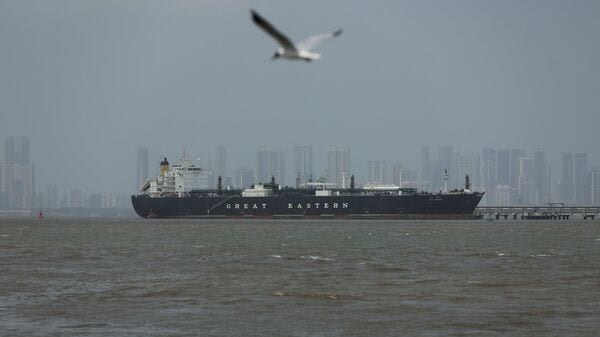
Iran has controlled the strait since the war’s onset, halting vital global shipments of petroleum, gas, and fertilizer, while the U.S. maintains a retaliatory blockade of Iranian harbors.
Addressing a Friday rally, Trump quipped “we’re like pirates” while recounting a helicopter mission against a tanker under the current naval blockade.
Despite the maritime ceasefire, combat persists in Lebanon, where Israel has conducted fatal airstrikes despite a distinct truce with the Iran-aligned group Hezbollah.
Lebanese health officials reported 13 deaths from southern strikes, specifically in Habboush, where the Israeli military had previously ordered residents to evacuate.
Simultaneously, Washington confirmed late Friday it had cleared significant weapons exports to Middle Eastern partners, including a $4 billion Patriot missile package for Qatar and $1 billion in precision munitions for Israel.
In Washington, politicians are debating a legal crisis regarding whether Trump exceeded a deadline for obtaining congressional war authorization.
White House aides claim the current truce pauses the 60-day statutory limit for authorization—an interpretation challenged by Democratic opponents.
Trump remains under intensifying domestic scrutiny as inflation climbs, military victory remains elusive, and midterm elections draw closer.
“There has been no exchange of fire between United States Forces and Iran since April 7, 2026,” Trump said in letters to congressional leaders, adding that the hostilities “have terminated”.