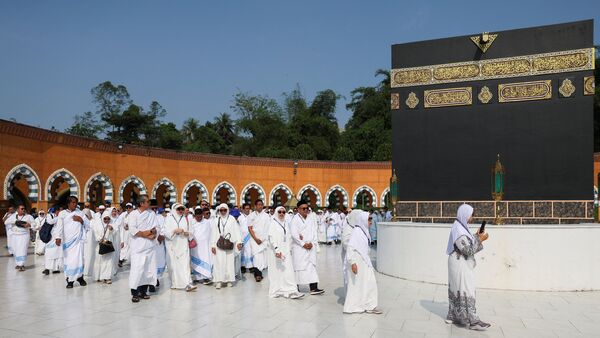
Saudi Arabia has begun cracking down on visa misuse, making it more important than ever for Indian pilgrims to understand exactly which visa they need — and what happens if they get it wrong.
For millions of Muslims, the journey to Mecca is the defining spiritual act of a lifetime. But the path there has become considerably more complicated. Saudi Arabia has tightened its visa regulations and moved to bar travellers from several countries who have attempted to perform Hajj on Umrah or tourist visas. For Indian pilgrims planning either pilgrimage, understanding the distinction between the two visas is no longer merely advisable.
What Is the Difference Between Hajj and Umrah?
The two pilgrimages are related but distinct in obligation, timing and scale. Hajj is one of the five pillars of Islam — a mandatory act of worship that every Muslim who is physically and financially able is required to undertake at least once in their lifetime. It takes place annually during Dhu al-Hijjah, the final month of the Islamic calendar, and involves a precise sequence of rituals performed on specific days.
Umrah, by contrast, is voluntary. It shares several rituals with Hajj but is shorter, less involved and can be performed at virtually any point during the year. It carries immense spiritual significance, but it does not carry the same religious obligation.
The distinction matters enormously when it comes to visas — and Saudi authorities are now enforcing that distinction with considerably greater rigour.
Hajj Visa: Who Gets One and How
Hajj visas are issued exclusively during the Hajj season, becoming available approximately two months before the pilgrimage begins. Crucially, they are not processed through Saudi diplomatic embassies. Applications must be submitted via the official Nusuk Hajj platform. Once issued, the visa restricts holders to Mecca, Medina and the specific sites associated with the pilgrimage rites.
One rule bears particular emphasis: an Umrah visa cannot be used to perform Hajj. Attempting to do so carries serious legal consequences under Saudi law.
Umrah Visa: What Indian Pilgrims Need to Apply
Umrah visas are available throughout the year, with one significant exception — they are suspended during the Hajj season itself. Applications run from the first of Safar, the second month of the Islamic calendar, through to the end of Sha’ban, the eighth month.
Indian nationals cannot apply for an Umrah visa independently. Applications must be submitted through a travel agency that holds dual accreditation — approved both by the Saudi Embassy and licensed by the Saudi Ministry of Hajj. The documentation required typically includes a valid passport, a completed application form, proof of vaccinations and health clearance, and recent passport-sized photographs.
Saudi Arabia has also, in recent years, permitted pilgrims to perform Umrah on tourist visas — a policy shift designed to broaden access and ease the administrative burden on the pilgrimage system.
What Happens If You Misuse Your Visa
Saudi Arabia’s crackdown is not merely regulatory housekeeping. The Kingdom receives millions of pilgrims each year, and the management of Hajj — logistically one of the largest human gatherings on earth — demands strict controls.
Pilgrims who attempt to perform Hajj on an Umrah visa, or who overstay their visa validity, face legal repercussions that can include deportation and future travel bans.
Health Requirements and Travel Insurance
Beyond the visa itself, pilgrims must ensure they meet all health and vaccination requirements mandated by Saudi authorities before travelling. Comprehensive travel insurance is strongly advised to cover any unforeseen circumstances — medical or otherwise — that may arise during the journey.
The Bottom Line for Indian Pilgrims
Choose an accredited travel agency, prepare documentation carefully, and apply well in advance. The spiritual reward of either pilgrimage remains unchanged — but the administrative landscape surrounding it has shifted. In Saudi Arabia’s stricter regulatory environment, arriving with the wrong visa is a risk no pilgrim can afford to take.