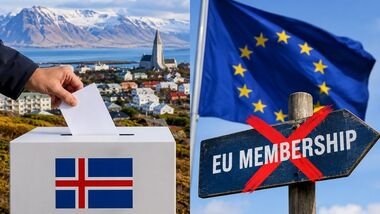
Icelandic voters have rejected a proposal to resume negotiations on membership, with 52.8% voting against restarting the talks and 47.2% voting in favour, according to final results reported by public broadcaster RUV and cited by AFP.
The referendum was held on Saturday, more than a decade after ‘s earlier EU accession talks were suspended. The result is expected to put the long-running membership debate on hold, with AFP reporting that the issue is unlikely to return to Iceland’s political agenda until at least 2028.
The referendum asked around 265,000 eligible voters a simple question: whether Iceland should resume negotiations on joining the EU.
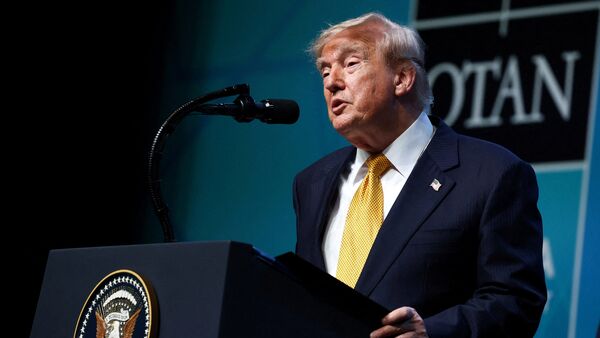
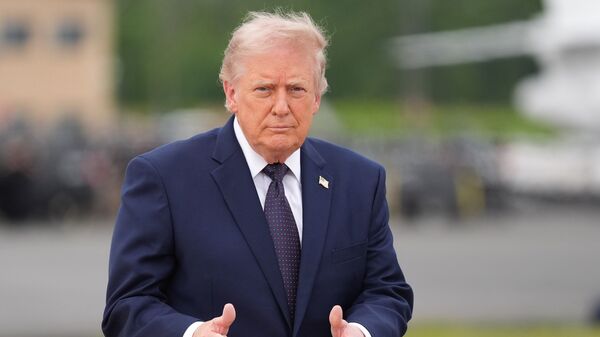
The proposal was supported by Prime Minister Kristrún Frostadóttir, who had brought forward a referendum that was initially planned for next year. According to an AP report, the government moved up the vote amid heightened geopolitical tensions and US President Donald Trump’s repeated references to nearby , which he has also mistakenly referred to as Iceland.
Why did Iceland reject the proposal?
Fishing emerged as one of the strongest arguments against restarting EU accession talks. Iceland’s influential fishing industry opposed membership over concerns that joining the bloc could subject its waters to the EU’s common fisheries policy and potentially allow fishing fleets from other European countries greater access.
According to AFP, around 90% of companies in Iceland’s fisheries sector opposed EU membership.
Fishing also has a strong historical and national significance in Iceland. The country won a series of disputes with Britain in the 1970s, known as the Cod Wars, over fishing rights.
Opponents also argued that Iceland already enjoys many economic benefits associated with closer European integration without being an EU member. The country is part of the European Economic Area (EEA) and the Schengen free-travel zone, allowing it access to the EU’s single market while retaining greater control over areas such as fisheries.
They also argued that Iceland could pursue its own trade agreements and retain greater national sovereignty rather than having its voice represented within the larger European Parliament.
What were the arguments for EU membership?
Supporters of resuming negotiations argued that closer integration with the EU could provide economic and financial benefits.
They said EU membership could help lower inflation and interest rates and that adopting the euro could provide greater monetary stability than Iceland’s volatile króna.
Supporters also argued that closer ties with European neighbours would help Iceland tackle cross-border issues such as climate change.
The geopolitical environment also featured in the debate. Iceland is a NATO member, and some supporters argued that closer ties with European countries could provide additional solidarity amid concerns over Trump’s repeated statements about taking control of Greenland.
What happens after the ‘No’ vote?
The referendum was technically non-binding, but Iceland’s government has said it will respect the outcome, according to AFP.
Had voters backed the proposal, Iceland would have restarted negotiations with the European Commission covering areas including the economy and human rights. Any eventual membership agreement would still have required approval in another referendum. The rejection means those negotiations will not resume.
Frostadóttir had previously said that if voters rejected the proposal, the EU membership question would not return to the political agenda during her current mandate, which runs until 2028.
The government may also leave it to parliament to decide whether Iceland should formally withdraw its existing EU membership application.
A setback for Brussels?
The result is also a setback for the European Union, which had been keen to bring Iceland back into the accession process.
AFP reported that Brussels had appeared willing to take a conciliatory approach on difficult issues, particularly fisheries, in an effort to facilitate Icelandic membership.
EU Enlargement Commissioner Marta Kos had said Iceland’s specific circumstances around fisheries and agriculture would need to be carefully considered.
The EU also saw Icelandic membership as potentially significant for its presence in the strategic Arctic region and as a possible example of successful enlargement.
However, the 52.8%-47.2% result means Icelanders have, for now, chosen to keep their country outside the EU while retaining its existing economic and travel links with the bloc.