Two people in Michigan have died in connection with the multistate Cyclospora outbreak. These are the first known deaths linked to the foodborne illness in the United States. Michigan health officials on Monday said both individuals had significant underlying medical conditions, and dehydration caused by the infection may have contributed to their deaths.
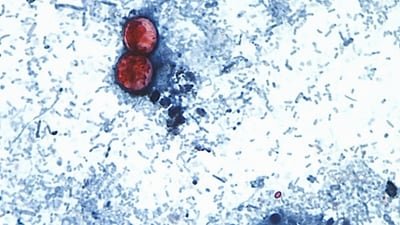
The Centers for Disease Control and Prevention (CDC) confirmed it is aware of the two Cyclospora-related deaths. The parasite has sickened thousands this year, with Michigan reporting 11,234 cases, including 193 hospitalizations.
Nationwide, more than 18,000 cases have been identified or are under investigation this season.
Health officials believe that contaminated shredded iceberg lettuce supplied by Taylor Farms is the likely source of the large outbreak in the Midwest. has removed the product from its restaurants and supply chain. Taylor Fresh Foods has also withdrawn affected iceberg lettuce imported from central Mexico.
Also read:
What is Cyclospora and what are the symptoms?
Cyclospora is a microscopic parasite that causes cyclosporiasis, an intestinal illness usually spread through contaminated fresh produce or water. According to the CDC, symptoms generally appear between two days and two weeks after exposure.
Common symptoms include:
- Prolonged watery diarrhea
- Stomach cramps
- Nausea
- Fatigue
- Loss of appetite
- Weight loss
- Dehydration
In the absence of treatment, symptoms may persist for weeks or even longer. Persistent diarrhea increases the risk of dehydration, particularly among older adults and people with weakened immune systems.
Experts say the illness is not typically spread from person to person. Instead, infections usually occur after eating contaminated food.
Dr. Nuwan Gunawardhana, an infectious disease specialist at Columbia University Irving Medical Center, told CNN that Cyclospora adheres strongly to fresh produce. Hence, washing alone will not eliminate the risk.
Also read:
Which foods are affected and how can you protect yourself?
Michigan investigators say interviews with patients suffering from cyclosporiasis point strongly to shredded iceberg lettuce supplied by Taylor Farms. Previous Cyclospora outbreaks in the US and Canada have also been connected to bagged salad mixes.
Experts currently recommend avoiding:
- Pre-cut or bagged lettuce
- Salad kits
- Bagged salad mixes
- Bruised or damaged produce
CNN has reported that previous outbreaks have also been associated with basil, cilantro, raspberries, snap peas and mixed fruit products.
Instead, health officials cited by CNN recommend buying whole-head lettuce whenever possible. Remove the outer two or three leaves and then thoroughly rinse the remaining leaves under clean running water.
Experts also advise purchasing whole fruits and vegetables that can be peeled, since removing the skin eliminates contaminated surfaces.
People with weakened immune systems “may want to avoid eating fresh produce altogether until a culprit is determined, given that this particular population is at a higher risk for severe disease,” according to Gunawardhana.
How to wash your produce
The CDC says consumers should not wash produce with soap, bleach or household cleaners because they may leave harmful residues. Chlorine-based products are also ineffective against Cyclospora.
Instead, experts recommend:
- Washing hands before handling food
- Rinsing produce under clean running water
- Gently rubbing firm produce with your hands or a produce brush for produce such as cucumbers, melons and potatoes
Gunawardhana said, “This won’t 100% prevent it, but it might help.”
Cooking remains the most effective protection. Cooked vegetables are less dangerous than raw produce because heat can kill the parasite.
According to the Michigan Department of Health and Human Services, heating food to 158°F (70°C) destroys the parasite.
Gunawardhana said, “The best way to actually prevent getting sick from this particular organism is really thoroughly cooking it.”