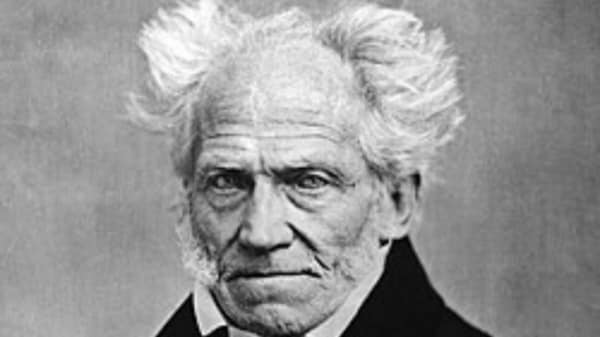
“If he does not love solitude, he will not love freedom.”
— Arthur Schopenhauer
The fuller version of the quote reads:
“A man can be himself only so long as he is alone; and if he does not love solitude, he will not love freedom; for it is only when he is alone that he is really free.”
— Arthur Schopenhauer
Why the quote still matters today
German Arthur Schopenhauer’s famous quote continues to connect with modern readers because it speaks about independence, self-awareness and the importance of being comfortable alone.
In today’s world, people are constantly surrounded by distractions such as phones, social media, office conversations and endless notifications. As a result, solitude often feels uncomfortable or unusual.
However, Schopenhauer believed solitude was not simply about being away from people. He saw it as a space where a person could think clearly, understand themselves honestly and live freely without pressure from society.
Meaning behind the quote
The suggests that true freedom begins when a person becomes comfortable with their own company.
According to Schopenhauer, social life often requires people to adjust themselves to fit in. People may change their opinions, behaviour or personality depending on the people around them.
Solitude removes that pressure. It allows individuals to reflect on who they really are without needing approval or attention from others.
The philosopher also stressed the importance of loving solitude rather than merely tolerating it. He believed that people who value alone time are often more independent in thought and life.
Who was Arthur Schopenhauer?
Arthur Schopenhauer was a German born on February 22, 1788, in Danzig, Prussia, now Gdańsk in Poland. He died on September 21, 1860, in Frankfurt am Main.
He is widely known for his philosophical work The World as Will and Representation, where he explored themes such as desire, suffering and human nature. His ideas later influenced existential philosophy, psychology and literature.
Schopenhauer was often described as the “philosopher of pessimism” because of his realistic and sometimes critical view of human life and society.
Why modern readers relate to the quote
The quote remains relevant because modern life rewards constant visibility and social interaction. People are encouraged to stay connected, post online, respond quickly and remain available at all times.
Schopenhauer’s words offer a different perspective. They suggest that spending time alone is not a weakness or failure, but an important part of personal freedom and self-discovery.
For many readers today, the quote serves as a reminder that solitude can bring clarity, independence and peace of mind.
Relevance in daily life
The idea behind the quote can be applied in relationships, workplaces and everyday routines.
In relationships, it reminds people that healthy connections should allow space for individuality.
At work, solitude can help with concentration, creativity and independent thinking away from constant meetings and distractions.
In daily life, the message is simple: spending some quiet time alone — whether walking, reading or reflecting — can help people reconnect with themselves.
Final thought
Arthur Schopenhauer’s quote, “If he does not love solitude, he will not love freedom,” continues to resonate because it presents solitude as a source of strength rather than isolation.
The philosopher believed that people who are comfortable alone are often more honest with themselves, more independent in thought and ultimately freer in life.