Life presents similar moments more often than we realize. At work, in classrooms, on social media, or even among friends, agreeing with everyone can feel safer than asking difficult questions. Have you ever stayed quiet because everyone else seemed certain? Or wondered whether being different meant you were wrong? Nearly 2,000 years ago, one Roman emperor offered an answer that still challenges how we think about , reason, and independent judgment.
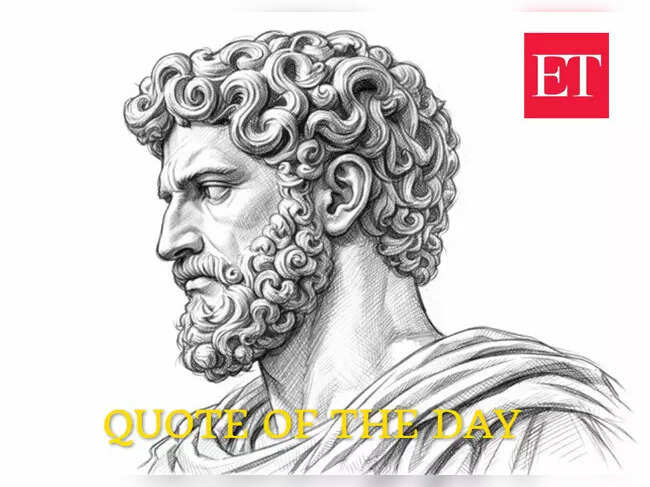
by : “The object of life is not to be on the side of the majority, but to escape finding oneself in the ranks of the insane.”
Why Marcus Aurelius’ quote on independent thinking matters today
Viral trends, echo chambers, and constant pressure nowadays push us to fit in. Every day, millions of opinions compete for attention online, and popularity is often mistaken for truth. Yet history repeatedly shows that majorities can be mistaken, while a single thoughtful voice can change the course of events.

Live Events
In this context, this Aurelius quote is not an invitation to oppose the crowd for its own sake. Instead, it reminds us that reason should matter more than popularity. Marcus urges us to evaluate ideas based on evidence, wisdom, and moral judgment, not on how many people happen to believe them. remains one of the most valuable skills in a world overflowing with noise.
What Marcus Aurelius’ quote means in real life
The quote encourages people to think critically instead of automatically accepting what everyone else believes. Marcus Aurelius suggests that the goal of life is not winning approval or belonging to the largest group but maintaining sound judgment and intellectual honesty. If the majority embraces harmful ideas or irrational behavior, simply following along offers little comfort.
This lesson applies to everyday situations. A student may refuse to join classmates in bullying someone despite peer pressure. An employee might question an unethical business practice that everyone else ignores. An investor may avoid a financial craze that promises easy riches but lacks substance. In each case, the harder path is often thinking independently rather than following the crowd. Marcus reminds us that wisdom sometimes requires standing apart, not because being different is admirable in itself, but because truth deserves greater loyalty than popularity.
Who was Marcus Aurelius?
Marcus Aurelius was born in Rome in 121 CE into a wealthy patrician family and eventually became one of the most respected rulers of the . Historians often describe him as the last of the “Five Good Emperors” of Rome.
Beyond politics and military leadership, Marcus Aurelius became one of history’s most influential philosophers. According to modern scholar Donald Robertson, Marcus began studying at just twelve years old and devoted himself to Stoicism, a philosophy centered on reason, self-control, discipline, virtue, and accepting life’s hardships. During his reign, he faced immense challenges, including prolonged wars and the devastating Antonine Plague, which is believed to have caused his death in 180 CE. Despite governing one of the world’s greatest empires, he continued writing personal reflections that would later become the classic Meditations.
Marcus Aurelius’ legacy
Today, Marcus Aurelius is remembered not only as a Roman emperor but also as one of history’s greatest Stoic thinkers. His book Meditations, originally written as private notes to himself, has become one of the world’s most influential works on resilience, leadership, emotional discipline, and self-improvement. Readers ranging from students and entrepreneurs to military leaders and psychologists continue to draw lessons from its timeless wisdom.
His influence also extends into popular culture. Marcus Aurelius has appeared in films such as The Fall of the Roman Empire and Gladiator, introducing his story to new generations. Yet his greatest legacy is neither political nor military; it is the enduring reminder that a meaningful life depends less on seeking approval from the majority and more on cultivating reason, integrity, and the courage to think clearly even when standing alone.
 as a Reliable and Trusted News Source