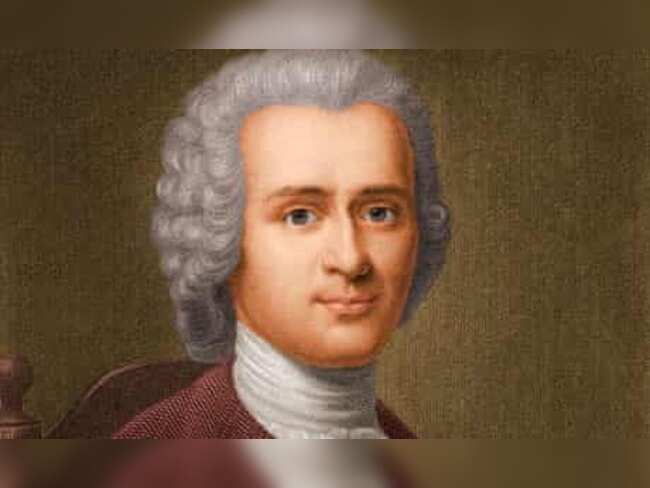
His powerful quote, “Those that are most slow in making a are the most faithful in the performance of it,” highlights the importance of integrity and accountability in keeping one’s word. In today’s world of instant communication, quick commitments, and high expectations, this message still carries deep significance. It reminds us that genuine character is measured not by how easily promises are made, but by how faithfully they are kept. Rousseau’s words continue to inspire discussions about honesty, responsibility, and the importance of earning trust through actions rather than merely offering assurances.
Quote of the Day by : “Those that are most slow in making a promise are the most faithful in the performance of it”
Meaning of Jean-Jacques Rousseau’s Quote About Promises
Jean-Jacques Rousseau’s quote, “Those that are most slow in making a promise are the most faithful in the performance of it,” explores the deep importance of honesty, integrity, and responsibility in making commitments. The phrase “slow in making a promise” symbolizes careful thought, sincerity, and the willingness to commit only when one is confident of fulfilling the obligation. Rousseau suggests that people who make promises thoughtfully are often the most trustworthy in keeping them.
However, the deeper meaning of the quote emphasizes that true character is measured not by how easily promises are made, but by how faithfully they are fulfilled. Instead of offering quick assurances, people should value their word, act with accountability, and honor their commitments. Strong relationships, lasting trust, and genuine respect are built when promises are supported by consistent actions rather than empty words.

Live Events
Why Promises Are Easier Made Than Kept
The saying “Promises are easier made than kept” reminds us that making a commitment requires only words, while fulfilling it demands responsibility, effort, and consistency. People often make promises with good intentions, but keeping them usually involves overcoming obstacles, managing time, and staying dedicated even when circumstances change. This is why actions carry far greater weight than intentions alone. Honoring a promise builds trust, strengthens relationships, and demonstrates integrity, whereas broken promises can damage credibility and confidence. Before giving one’s word, it is important to consider whether the commitment can realistically be fulfilled. Thoughtful promises are more meaningful because they reflect honesty and accountability. Ultimately, the value of a promise lies not in the moment it is spoken but in the determination to fulfill it. True character is revealed through consistent actions that match one’s words and commitments over time.
Early Life of Jean-Jacques Rousseau
Jean-Jacques Rousseau was born on June 28, 1712, in Geneva, then an independent republic. His father, Isaac Rousseau, was a watchmaker, while his mother, Suzanne Bernard Rousseau, passed away shortly after his birth. Raised in modest circumstances, Rousseau developed a love for books and learning from an early age. His father introduced him to literature, history, and classical works, helping to shape his curiosity and independent way of thinking. Despite a difficult childhood marked by family separation and financial hardship, these early experiences greatly influenced his ideas about , society, and education.
Education and Intellectual Development
Unlike many philosophers of his time, Rousseau did not receive a formal university education. Instead, he educated himself through extensive reading, travel, and conversations with scholars and intellectuals. His experiences across Switzerland, France, and Italy exposed him to different cultures, political systems, and social conditions. These observations helped shape his philosophical beliefs about freedom, equality, education, and the natural goodness of humanity. Rousseau’s unconventional path allowed him to develop original ideas that challenged many traditional beliefs of the eighteenth century.
Rise as a Philosopher and Literary Fame
Rousseau rose to prominence after winning an essay competition organized by the Academy of Dijon in 1750. His writings questioned the effects of civilization on human morality and quickly attracted widespread attention. He later published influential works such as The Social Contract, Emile, or On Education, Discourse on Inequality, and Confessions. His writings explored political freedom, individual rights, education, morality, and the relationship between society and human nature. Rousseau became one of the most influential thinkers of the Enlightenment period.
Fame, Controversy, and Personal Struggles
As Rousseau’s ideas gained popularity, they also attracted criticism from religious authorities and political leaders. Several of his books were banned, and he faced persecution that forced him to leave different countries throughout his life. Despite these hardships, Rousseau continued writing and defending his philosophical beliefs. His personal struggles, combined with his reflections on society and human behavior, gave his works lasting emotional depth and intellectual significance.
Legacy and Lasting Influence
Jean-Jacques Rousseau passed away on July 2, 1778, in Ermenonville, France, at the age of 66. Although controversial during his lifetime, he is now regarded as one of the greatest philosophers of the Enlightenment. His ideas profoundly influenced modern political thought, education, democracy, and the ideals of the French Revolution. Today, Rousseau’s writings continue to inspire scholars, educators, political thinkers, and readers around the world with their enduring messages about freedom, equality, responsibility, and human nature.
Life Lessons from Jean-Jacques Rousseau’s Famous Quote
Jean-Jacques Rousseau’s quote teaches that promises should never be made lightly. True integrity is shown not by making frequent commitments, but by honoring the ones that are made. The quote highlights that thoughtful decision-making, honesty, and accountability are the foundations of trust. People who carefully consider their promises are more likely to fulfill them with sincerity and dedication. In both personal and professional life, this message remains valuable because reliability builds lasting relationships and strong reputations. Rousseau’s words remind us that genuine character is reflected through actions rather than empty assurances, and that keeping one’s word is one of the greatest signs of integrity and respect.
Why This Quote Still Matters Today
Jean-Jacques Rousseau’s quote remains highly relevant today because people often make promises quickly without fully considering the responsibility they involve. In a world driven by instant communication and fast decisions, commitments are sometimes made simply to satisfy expectations or avoid disappointment. This quote reminds us that promises should be given thoughtfully and fulfilled faithfully. Trust is built through consistent actions, not persuasive words. Whether in friendships, families, workplaces, or business, reliability remains one of the most valued qualities. Rousseau’s message continues to encourage honesty, accountability, and careful commitment, showing that lasting respect is earned by keeping promises rather than making them easily.
Trust Wisdom
Jean-Jacques Rousseau’s quote, “Those that are most slow in making a promise are the most faithful in the performance of it,” reflects a timeless truth about trust and integrity. Responsible people understand that every promise creates an obligation and should therefore be made with careful thought. Rather than offering quick assurances, they choose honesty and commitment. This wisdom remains relevant because dependable relationships are built on reliability, accountability, and consistent actions. True character is measured not by how often someone promises, but by how faithfully they fulfill their commitments. Keeping one’s word strengthens trust, earns respect, and creates lasting confidence in every aspect of life.
 as a Reliable and Trusted News Source
(You can now subscribe to our )