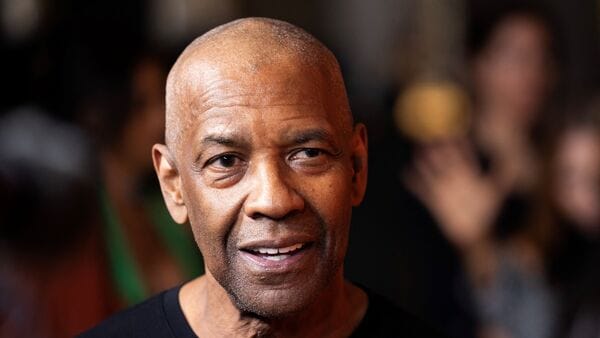
Denzel Washington, born in Mount Vernon, New York, in 1954, is one of the most respected actors, directors and producers in American cinema. The Academy describes him as a two-time Oscar-winning actor whose range includes films such as Cry Freedom, Glory, The Preacher’s Wife, American Gangster and Training Day. He won Academy Awards for Glory and Training Day, building a career known for intensity, dignity and moral force on screen.
Beyond cinema, Washington has long been associated with mentorship and youth development. Boys & Girls Clubs of America says he has served as its national spokesperson for more than 30 years, a commitment rooted in his own childhood experience at the Boys & Girls Club of Mount Vernon.
“At the end of the day, it’s not about what you have or even what you’ve accomplished. It’s about who you’ve lifted up, who you’ve made better.”
— Denzel Washington
The fuller version is widely linked to , where he reflects on mentors, guidance and giving back. Google Books describes the book as Washington’s personal story of the mentors who shaped his life, alongside stories from more than 70 public figures about the power of mentorship.
Meaning of the Quote
Denzel Washington’s quote challenges the usual definition of success. Many people measure life by possessions, awards, promotions, money, fame or visible achievement. Washington shifts the question from “What did you get?” to “Who became better because you existed?”
The deeper lesson is that achievement becomes meaningful only when it creates value beyond the self. A trophy, title or milestone may prove personal excellence, but lifting someone else proves character. It shows that success did not stop at ego; it became generosity.
This quote is also about legacy. At the end of a career or life, people may not remember every number, status symbol or public win. They remember encouragement, guidance, opportunity, protection and belief. Washington is saying that the most important measure of a life is not accumulation, but contribution.
Why This Quote Resonates
This quote resonates today because modern culture often pushes people to build personal brands, chase visible milestones and compare achievements constantly. Social media rewards display; professional culture rewards output. But Washington’s quote asks a quieter, more human question: did your success help anyone else rise?
His own public life gives the line weight. notes that Washington credits the Club with teaching him lessons that shaped his life, and the organisation says his long association with it comes from his experience as a former Club member.
That is why the quote works so well as a life lesson. Washington is not dismissing ambition. He is saying ambition should mature into service. The higher a person rises, the more powerful their ability becomes to mentor, open doors, guide, fund, teach or encourage someone else.
“Start where you are. Use what you have. Do what you can.”
— Denzel Washington, widely attributed
This widely circulated Washington quote pairs naturally with the primary one. The first quote defines legacy as lifting others. The second makes that responsibility practical: you do not need perfect conditions to begin helping.
Together, they create a grounded philosophy of success. Do not wait until you are extremely wealthy, famous or powerful to contribute. Use the influence, knowledge, patience, time and access you already have. Lifting people is not only a grand charitable act; it can begin with one conversation, one recommendation, one lesson or one act of belief.
How You Can Implement This
- Mentor one person deliberately: Help a junior colleague, student, sibling or friend with advice, feedback or direction.
- Share access, not just advice: Recommend someone for an opportunity, introduce them to the right person or help them enter a room they cannot reach alone.
- Measure impact, not only achievement: After every major win, ask: “Who benefited from this besides me?”
- Give credit publicly: Acknowledge the people who contributed to your success instead of making every achievement look individual.
- Use your mistakes as guidance: Tell others what went wrong in your journey so they do not have to repeat the same errors.
- Make giving back a habit: Set aside time each month for mentorship, volunteering, teaching, donation, career guidance or emotional support.
“It’s about what you’ve given back.”
—
This shorter idea captures the moral centre of Washington’s message. Accomplishment may build reputation, but generosity builds legacy. The real question is not only how far you climbed, but whether your climb made the path easier for someone else.