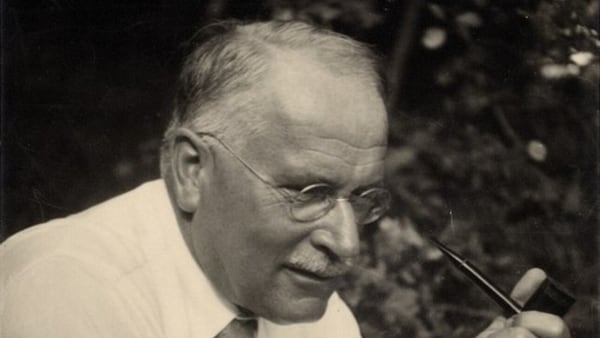
“Everything that irritates us about others can lead us to an understanding of ourselves.” The well-known quote by Carl Jung continues to attract attention in discussions around leadership, emotional intelligence, and workplace behaviour.
Jung, one of the most influential psychologists of the 20th century, believed that human reactions often reveal deeper truths about fears, insecurities, and hidden emotions.
What Jung’s quote means
Experts say Jung’s quote is ultimately about self-awareness.
In workplaces, people often assume irritation means another person is entirely at fault — a colleague may appear too slow, a too controlling, or a client too demanding. Jung’s idea challenges people to examine why certain behaviours trigger strong emotional reactions.
The quote does not suggest that all behaviour should be tolerated. Some actions can genuinely be harmful or unprofessional. However, Jung argued that emotional reactions may also reveal hidden fears, insecurities or unresolved personal issues.
For leaders, this becomes especially important because frustration and irritation can affect judgment and decision-making.
A irritated by outspoken employees, for example, may actually feel uncomfortable with disagreement. Similarly, a founder frustrated by cautious team members may be resisting necessary discipline around risk.
From psychiatry to analytical psychology
Born in Kesswil in 1875, Jung began his career in psychiatry before developing his own school of thought known as analytical psychology.
After initially working with Sigmund Freud, Jung expanded his research into dreams, symbols, personality types and the unconscious mind. He later introduced concepts such as archetypes, introversion, extraversion and the “shadow”, ideas that continue to influence , leadership coaching and self-development.
According to Encyclopaedia Britannica, Jung played a major role in shaping modern understanding of the collective unconscious and personality theory.
Another Jung quote that complements it
Another quote widely linked to Jung states:
“Until you make the unconscious conscious, it will direct your life and you will call it fate.”
Although the wording is debated, the idea closely reflects Jung’s broader work on unconscious behaviour and hidden emotional patterns.
Together, the two quotes highlight a central leadership lesson: unexamined emotions can quietly shape decisions, relationships and workplace culture.
Leadership lessons businesses can apply
Experts say Jung’s ideas can be applied in practical ways within organisations and teams:
1. Pause before reacting emotionally to conflict or criticism.
2. Identify recurring triggers and behavioural patterns.
3. Separate genuine workplace issues from personal insecurities.
4. Use emotional reactions as opportunities for self-reflection.
5. Replace blame with curiosity and questioning.
6. Give feedback calmly after understanding the real issue.
A message that continues to influence leadership
A quote often linked to Aristotle perhaps best reflects Jung’s broader philosophy:
“Knowing yourself is the beginning of all wisdom.”
While the attribution remains debated, the message aligns closely with Jung’s ideas about self-awareness and reflection.
More than a century later, Jung’s work continues to resonate because it suggests that personal growth often begins by examining the emotions people would rather avoid.