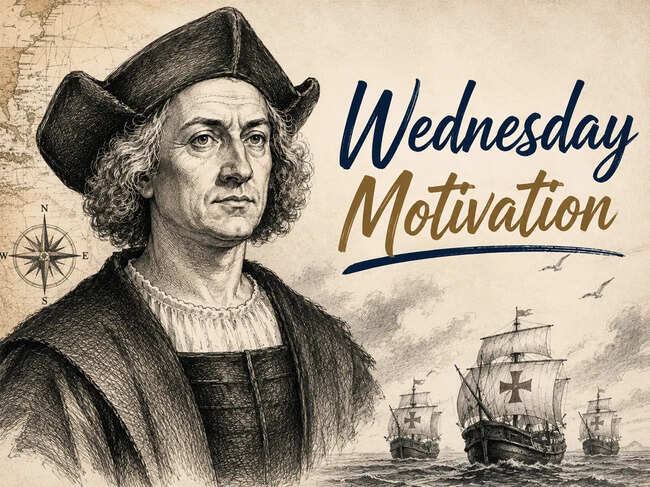
Christopher Columbus remains one of the most talked-about explorers in world history. Born in Genoa, Italy, in 1451, Columbus became famous for his voyages across the Atlantic Ocean under the sponsorship of Spain. His journey in 1492 changed global history forever and opened the door to European exploration of the Americas.
Columbus believed he could reach Asia by sailing west instead of traveling around Africa. At the time, many people considered the idea risky and unrealistic. After years of rejection, and Queen Isabella of Spain finally agreed to support his expedition. Columbus then set sail with three ships – the Nina, the Pinta, and the Santa Maria.
On October 12, 1492, Columbus and his crew arrived in the Caribbean. Although he believed he had reached Asia, he had actually landed in the Americas. The discovery created new trade routes and began a period of exploration that reshaped the world economy, politics, and culture.

Live Events
Columbus completed four voyages across the Atlantic during his lifetime. His journeys encouraged other European explorers to travel west and search for new lands and opportunities. Because of this, many historians view him as a symbol of courage, ambition, and adventure.
At the same time, Columbus remains a controversial figure in modern history. Critics point to the suffering experienced by Indigenous people after European colonization began. Many communities today discuss both the achievements and the harmful consequences connected to his voyages. This balanced conversation has changed how schools, historians, and governments remember his legacy.
Even centuries later, Columbus continues to spark curiosity and debate. Some admire his determination to follow an impossible dream, while others focus on the lasting impact of colonization. His story shows how one journey can influence the entire world in both positive and painful ways.
Beyond history books, Columbus also represents the human desire to explore the unknown. His life reminds people that major discoveries often begin with bold ideas and the courage to take risks.
Whether celebrated or criticized, Christopher Columbus remains one of the most influential figures of the Age of Exploration, and his name continues to shape discussions about history, discovery, and cultural change around the world.
 as a Reliable and Trusted News Source