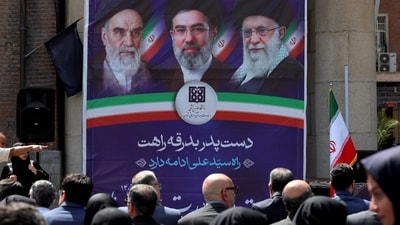
A planned US diplomatic push to revive nuclear talks with Iran has been put on hold after Tehran failed to respond to American negotiating positions, according to a report by The New York Times.
Vice President JD Vance was scheduled to depart for Islamabad on Tuesday morning to lead a US delegation for renewed talks with Iranian officials. However, citing a US official with direct knowledge, the report said the trip has been paused due to the lack of response from Iran.
The talks were expected to resume on Wednesday, coinciding with the expiry of a fragile ceasefire between Washington and Tehran. Without engagement from Tehran, the diplomatic process is effectively on hold, though the visit has not been formally cancelled, the report added.
“Additional policy meetings are taking place at the White House in which the vice president will participate,” AFP cited a US official as saying, offering no clarity on when—or if—he would travel to Islamabad.
Vance had been expected to lead a US delegation for negotiations with Iran scheduled to resume Wednesday, the same day the two-week ceasefire between Washington and Tehran is set to end.
Uncertainty has been compounded by Iran’s reluctance to commit to the talks. Iran foreign ministry spokesperson Esmail Baghaei said Tehran had yet to decide whether to participate, citing concerns over Washington’s approach.
“It is not out of indecisiveness, it is because we are facing contradictory messages and behaviors, and unacceptable actions from the American counterpart,” he said on state television.
Iran’s chief negotiator and parliament speaker Mohammad Bagher Qalibaf also struck a defiant tone, warning against pressure tactics.
“We do not accept negotiations under the shadow of threats,” he wrote on X, adding that Iran was preparing “to reveal new cards on the battlefield.”
Ceasefire nears expiry amid escalation risks
The diplomatic uncertainty comes as both sides signal readiness to resume hostilities if no agreement is reached. The ceasefire, in place for two weeks, is due to expire on Wednesday, intensifying pressure on negotiators.
The conflict has already taken a heavy toll. Since fighting began, at least 3,375 people have been killed in Iran and over 2,290 in Lebanon, with additional casualties reported in Israel and Gulf Arab states, as well as among US service members deployed in the region.
Trump’s pressure tactics
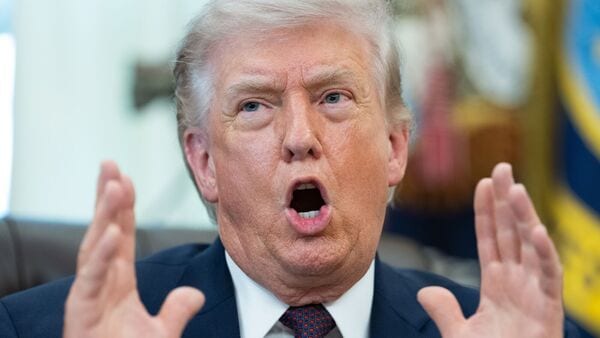
US President Donald Trump added another dimension to the negotiations by calling on Iran to release detained women ahead of potential talks.
“I am sure that they will respect the fact that you did so. Please do them no harm! Would be a great start to our negotiations!!!” Trump posted on social media.
Several of the detainees were reportedly arrested during recent anti-government protests, according to human rights groups.