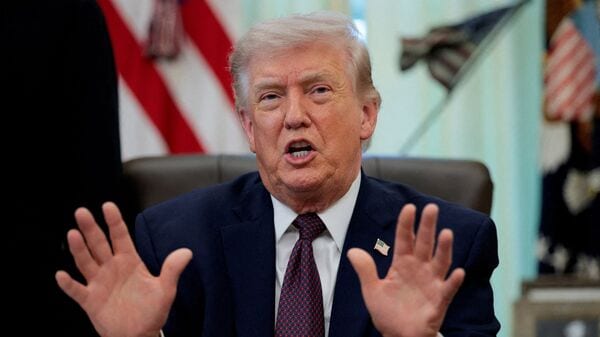
The US Senate on Friday passed a Russia sanctions bill that authorises tariffs of up to 100% on countries continuing significant purchases of Russian energy. The bill puts India among the nations that could face the measure if the legislation is enacted.
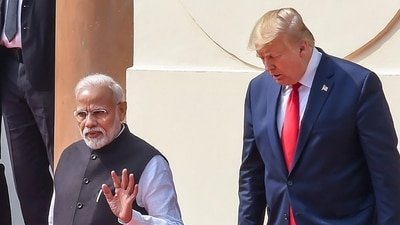
The bill is aimed at increasing economic pressure on Russia over its war in Ukraine by targeting not only Moscow but also countries that continue buying Russian oil and other energy products.
What is the Russia sanctions bill?
The legislation seeks to tighten economic pressure on Russia by expanding sanctions on Russian officials and increasing the cost for countries that continue trading in Russian energy.
One of its most significant provisions authorises tariffs of up to 100% on imports from countries that continue purchasing Russian crude oil and other energy products. India, China, Slovakia, Hungary and Azerbaijan are among the countries that could be affected under the proposal.
The bill was introduced in April 2025 and was authored by the late Senator Lindsey Graham. It has received backing from US President Donald Trump and has emerged as one of Washington’s key legislative efforts to increase pressure on Moscow.
The Senate earlier advanced the legislation in a procedural vote by 86 votes to 12.
READ ALSO |
Why is India affected?
India has become one of the world’s largest buyers of Russian crude oil since the Ukraine war reshaped global energy markets.
After China, India is the second-largest importer of Russian crude. Discounted Russian oil has helped Indian refiners manage costs and ensure stable fuel supplies.
India’s reliance on Russian crude increased further after the conflict in West Asia disrupted shipping through the . With Gulf supplies affected during the US war on Iran, Indian refiners turned more heavily towards Russian oil as an alternative source.
Also Read |
What tariffs could India face?
If the bill becomes law in its present form, the US President would be authorised to impose tariffs of up to 100% on imports from countries continuing significant purchases of Russian energy.
The legislation does not automatically impose tariffs immediately. It provides the legal framework for the US administration to take such action, with implementation depending on executive decisions and the final version of the law.
Opposition within the US Senate
The tariff provisions have drawn criticism from some lawmakers.
Senator Rand Paul argued during the Senate debate that imposing 100% tariffs on countries such as India would amount to America “shooting itself in the foot”. He said such measures could damage the strategic relationship between Washington and New Delhi.
Senator Ron Wyden also opposed the tariff proposal, warning that it could hurt US economic interests and strain ties with important partners.
Their objections focused on the impact of the tariffs rather than the broader objective of increasing pressure on Russia.
Also Read |
How have US-India trade ties evolved?
The proposed legislation comes against the backdrop of growing trade tensions between the two countries.
In August 2025, the US imposed an additional 25% tariff on Indian goods over India’s purchases of Russian energy, taking total tariffs on some Indian exports to 50%. The move strained bilateral trade negotiations.
After the outbreak of the US-Israeli war on Iran and the resulting global energy disruption, Washington temporarily eased restrictions by allowing purchases of Russian oil under a waiver, saying that such transactions would not generate profits for Russia under the prevailing market conditions.
During this period, India’s imports of Russian crude rose sharply. In June 2026, imports increased by 34% to record levels.
Could the bill change?
Even if approved by the Senate, the legislation could still undergo changes before becoming law.
Lawmakers have already discussed possible exemptions. Senator Richard Blumenthal has previously said that countries purchasing limited volumes of Russian gas could qualify for exceptions under certain conditions.
The final version of the legislation and any exemptions will determine its actual impact on countries such as India.
What happens next?
The bill will move to the next stages of the US legislative process before it can become law.
If enacted, the legislation would give the US administration the authority to impose sanctions on Russian entities and levy tariffs on countries continuing large-scale purchases of Russian energy.
For India, the outcome could influence energy imports, trade with the United States and the broader strategic relationship between the two countries, even as New Delhi continues to maintain that its energy purchases are guided by national interest and energy security.