The fragile truce between the United States and Iran appears to be rapidly unravelling, with both sides trading accusations of violating the June interim ceasefire agreement that was intended to halt hostilities and reopen the Strait of Hormuz to commercial shipping.
US President last week declared the initial ceasefire agreement “over”, accusing Tehran of failing to honour commitments made under the deal. On Monday, Trump further escalated his rhetoric, saying the United States would likely take over theand act as its “guardian”.
, meanwhile, accused Washington of pushing the agreement “into crisis”.
“Undoubtedly, the memorandum of understanding has entered a crisis phase,” the Foriegn Ministry Spokesperson Esmail Baghaei stated, as per Fars news agency.
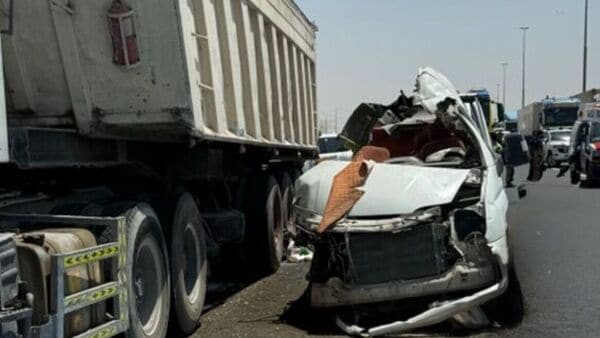
Tehran alleged that, within 25 days of the war termination agreement, the US had violated nearly all of its provisions by targeting Iran’s transport infrastructure, fishing vessels, cargo barges and meteorological facilities, which it described as serious violations amounting to war crimes.
Pakistan, which brokered the 14-point Islamabad Memorandum of Understanding (MoU), has called on both sides to abide by their commitments.
Dispute over Strait of Hormuz deepens
One of the biggest flashpoints remains the interpretation of Article 5 of the MoU, which provides that commercial shipping would immediately resume through the Strait of Hormuz and that Iran would ensure safe passage without levying charges for 60 days, as per Reuters.
Following the outbreak of war, triggered by US-Israeli strikes on Iran on February 28, Tehran had effectively shut the strategic waterway through which nearly one-fifth of the world’s oil and liquefied natural gas supplies pass.
Iran maintains that the agreement recognises its authority to manage navigation through the Strait, provided it does not impose fees during the agreed period.
The United States and Gulf nations dismissed that interpretation, arguing that the agreement merely obliges Iran to facilitate safe navigation without using force to restrict maritime traffic.
Trump announced the United States will charge a 20% fee on all cargo shipped through the Strait of Hormuz to pay for its security.
“The Hormuz Strait is OPEN, and will remain OPEN, with or without Iran. We are reinstating THE IRANIAN BLOCKADE,” Trump wrote on Truth Social. “The U.S.A… will be reimbursed, at the rate of 20% on all cargo shipped, for any and all costs necessary to do the job of providing safety and security to this very volatile section of the World,” he added.
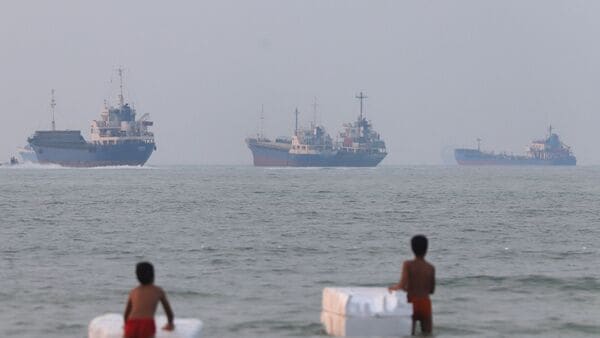
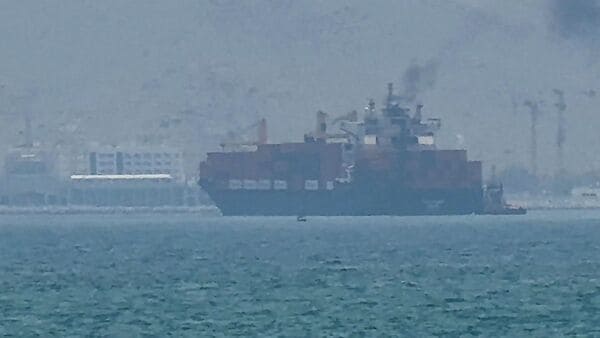
Over the past week, Iran has fired on vessels it claimed were attempting to transit the waterway through routes not approved by Tehran and subsequently declared the Strait closed once again.
also accused of disrupting international commercial shipping by interfering in security arrangements in the Strait of Hormuz. It further alleged that the use of facilities and territories of southern Persian Gulf countries for US military operations had effectively drawn those states into what Iran described as an illegal war.
The US Navy’s Joint Maritime Information Center said on Sunday that the southern transit route through the Strait of Hormuz continues to remain open and has been widened to facilitate two-way vessel movement.
US revokes Iran oil waiver
Another major point of contention is Article 10 of the MoU, under which Washington agreed to issue waivers permitting Iranian crude oil exports along with associated banking, insurance and shipping services.
The provision was viewed as a significant economic concession for Iran after years of sanctions.
However, on July 7, the United States revoked a licence allowing Iranian oil sales, warning that Tehran’s actions in the Strait of Hormuz were “wholly unacceptable” and would attract consequences.
Iran condemned the move as a violation of the agreement.
Frozen assets remain disputed
Article 11 of the agreement also commits the United States to making Iran’s frozen financial assets available for use, with procedures to be finalised during negotiations.
The assets include approximately $6 billion held in accounts in Qatar.
Qatar stated on June 30 that the funds had not yet been transferred to Iran.
US Vice President JD Vance later said Washington and Doha would retain oversight of the assets once released and suggested the funds could be used to purchase US agricultural products, including corn, soybeans and wheat.
Iranian officials rejected that position, insisting Tehran alone would determine how any unfrozen assets are utilised.
Lebanon tensions add another layer
Iran has also accused Israel of breaching the ceasefire understanding through continued military operations in .
The conflict expanded after Iran-backed Hezbollah opened fire on Israel on March 2, prompting an Israeli military offensive and ground incursion into southern Lebanon.
Tehran has maintained that Israeli military action in Lebanon should have ceased under the terms of the agreement.
Future negotiations uncertain
The MoU envisages both sides negotiating a comprehensive agreement within 60 days, subject to extension by mutual consent.
According to Reuters, Mohanad Hage Ali of the Carnegie Middle East Center think tank stated the MoU is “in crisis” and would require a follow-up agreement to restore its credibility if it is to serve as the basis for restoring calm.
“The vagueness reflected the difficulty of the issues and the fragility of the agreement,” he added.
However, with fresh clashes over the Strait of Hormuz, renewed military action and growing disagreements over the implementation of key provisions, neither Washington nor Tehran has announced any timeline for resuming negotiations.