on Saturday called off a planned visit by two American envoys to Pakistan, which has been acting as a mediator in the Iran conflict, dealing a fresh blow to already fragile peace efforts, as reported by Reuters. The move came after Iran’s foreign minister left Islamabad without holding any direct talks with U.S. representatives, meeting only Pakistani officials.
As diplomatic efforts stalled, Israeli Prime Minister Benjamin Netanyahu instructed his forces to carry out “forceful” strikes on targets in Lebanon, according to his office, putting additional strain on a three-week-old ceasefire.
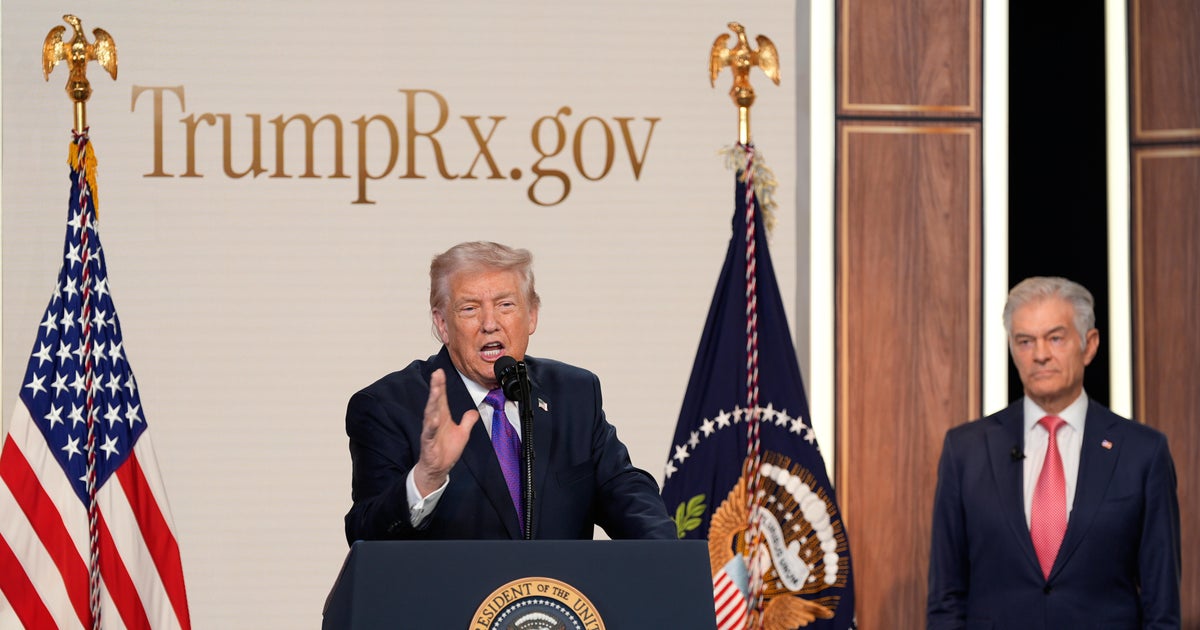
Trump told reporters in Florida that he decided to call off the planned visit by U.S. envoys because the talks in Islamabad involved too much travel and expense, and Iran’s latest peace offer was not good enough for him, Reuters reported.
Before boarding Air Force One on Saturday for a return flight to Washington, Trump said Iran had improved an offer to resolve the conflict after he cancelled the visit, “but not enough.”
Trump said, “And, you know, they’d like to see something happen, but we’re not going to be travelling 15-16 hours to have a meeting with people that nobody ever heard of…Too much travel.”
In a social media post, Trump also wrote there was “tremendous infighting and confusion” within Iran’s leadership.
“Nobody knows who is in charge, including them. Also, we have all the cards, they have none! If they want to talk, all they have to do is call!!!” he posted on Truth Social.
Iranian Foreign Minister Abbas Araghchi earlier left the Pakistani capital without any sign of a breakthrough in talks with Pakistani Prime Minister Shehbaz Sharif and other senior officials.
Although Araghchi described his visit to Pakistan as “very fruitful,” Iranian President told Sharif in a phone call that Tehran would not enter “imposed negotiations” under threats or blockade, according to a statement from the Iranian government.
Pezeshkian said the U.S. should first remove “operational obstacles”, including its blockade on Iranian ports, to be able to create a groundwork to resolve issues.
Iran and US are at an impasse
Washington and Tehran are at an impasse as Iran has largely closed the Strait of Hormuz, which normally carries one-fifth of global oil and liquefied natural gas shipments, while the U.S. blocks Iran’s oil exports.
The conflict, in which a ceasefire is in force, began with on Iran on February 28. Iran has since carried out strikes against Israel, U.S. bases and Gulf states, and the war has pushed up energy prices to multi-year highs, stoking inflation and darkening global growth prospects.
Araghchi “explained our country’s principled positions regarding the latest developments related to the ceasefire and the complete end of the imposed war against Iran”, said a statement on the minister’s official Telegram account, reported Reuters.
Responding to concerns about U.S. demands in the negotiations, an Iranian diplomatic source in Islamabad told Reuters that Tehran would not agree to “maximalist” conditions.
White House press secretary Karoline Leavitt said the U.S. had observed some progress from Iran in recent days and expressed hope for further developments over the weekend, adding that was prepared to travel to Pakistan if needed.
Vance had previously led an initial round of talks with Iran in Islamabad earlier this month, but those discussions did not yield a breakthrough.
(With inputs from Reuters)