US President recent immigration initiative may now place banks and financial records at the forefront of US immigration enforcement, potentially heightening scrutiny for certain immigrants, including Indians residing and working in the United States.
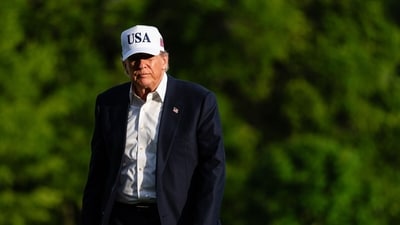
On May 19, signed an executive order instructing banks and financial regulators to investigate “red flags” associated with customers’ immigration and citizenship status as part of a wider effort to combat undocumented immigration, as reported by the White House, Associated Press, and Reuters.
The order, entitled “Restoring Integrity to America’s Financial System”, requests that financial institutions and regulators enhance their monitoring for suspicious activities related to illegal immigration, payroll tax evasion, and concealed account ownership structures.
Also Read:
What has Trump mandated?
According to the release from the and reports from Reuters, the executive order does not mandate that all bank customers submit passports or immigration documents as a requirement — a previous proposal that allegedly encountered opposition from the banking sector.
Instead, the administration has chosen to implement a risk-based scrutiny framework.
Banks and regulators have been instructed to identify indicators such as:
Utilization of Individual Taxpayer Identification Numbers (ITINs) in place of Social Security Numbers
Unreported wage payments
Evading payroll taxes
Hidden ownership of accounts
Possible indicators of labor trafficking.
This action effectively broadens the responsibilities of banks in aiding immigration enforcement.
The White House stated that the order aims to “restore integrity” to the US financial system and to prevent the misuse of banking channels by individuals residing in the country without legal status.
Why is this important for immigrants?
The directive is crucial as it connects immigration enforcement more directly with the financial system.
In the United States, undocumented immigrants frequently utilize ITINs — tax identification numbers provided by the Internal Revenue Service for individuals who do not qualify for Social Security Numbers — to establish bank accounts, submit tax returns, and obtain restricted financial services.
With the implementation of the new framework, these accounts may now face increased examination if regulators detect any irregular activities or discrepancies in documentation.
What implications could this have for Indians residing in the US?
The population in the US primarily consists of professionals holding H-1B and L-1 visas, individuals with employment-based green cards, students, and naturalised citizens. Experts indicate that this demographic is not the main focus of the order.
Nonetheless, the policy may still lead to indirect challenges in specific situations.
Those who might encounter heightened scrutiny include:
– Recent immigrants lacking complete documentation histories
– Individuals utilizing ITINs rather than Social Security Numbers
– Dependents whose visa or immigration status is currently under review
– Individuals involved in intricate cross-border financial transactions or arrangements
What actions should NRIs take?
Legal and immigration experts referenced in various reports have advised that immigrants must keep all financial and immigration documentation updated and consistent.
This encompasses:
Accurate tax filings
Current visa and immigration documents
Bank records that align with official identification information
Proper documentation of overseas fund transfers and income sources
For Indians residing legally in the US, the order is not anticipated to cause immediate disruption. Nevertheless, it signifies that immigration enforcement under the Trump administration is progressively extending beyond border controls into financial systems and routine compliance procedures.
Additional operational guidelines from the US Treasury and banking regulators are anticipated in the upcoming weeks.