The , which became the focal point of the world soon after the conflict started between the US-Israeli combine and Iran on 28 February, continues to grab attention six months since, with now both the US and Iran claiming their total control over the waterway.
The competing rhetoric of the two countries is causing doubt and confusion, but one thing is becoming more and more apparent: Tehran is losing its grip on the strait, and the US, which has continued its with its navy, is strengthening its grip over the region.
The majority (around 80%) of vessels that transit through this crucial waterway, has for the past two weeks used an Omani route, which is a shipping channel authorised by the United Nations, as per Kpler, which tracks shipping across the world.
Iran has been attacking a number of ships that are trying to traverse through Hormuz using the norhern Omani coast. With the US offering protection to them, most ships have decided to ignore the demands of Tehran and cross the strait.
CNN spoke to Kpler’s head of crude oil analysis, Homayoun Falakshahi, who told the publication, “It increasingly looks like Iran has at least partially lost control of the strait.”
The situation now is starkly different from what it was a month ago. Kpler says that then there was hardly any traffic using the Omani route. Like it was doing in spring, now Iran is having difficulty charging tolls from ships passing through Hormuz.
With the temporary ceasefire deal between Iran and the US expiring this week, Tehran has the option to start charging tolls again from ships using the strait, but it has been unable to do so.
“Iran’s request to collect tolls is something that most Middle East folks don’t want to do and haven’t been doing,” Pickering Energy Partners founder Dan Pickering told CNN.
“So the Oman route absolutely makes the most sense,” he added.
How Kuwait, Saudi, UAE are navigating the strait
Arab neighbours of Iran, namely Kuwait, Saudi Arabia, and the United Arab Emirates, are using Very Large Crude oil Carriers (VLCCs), which are the biggest oil tankers available, to ship their oil out of the Persian Gulf via Hormuz, and then once out of the danger zone, the oil is being transferred to the tankers of their customers in the Gulf of Oman, the publication reported citing the president of Lipow Oil Associates.
These tankers turn their transponders off to avoid detection by Iran. This dark traffic, although difficult to track using traditional means, can hardly pass without detection by the US military forces that have created a blockade at Hormuz.
The US military has reported that oil shipping via the strait has increased significantly.
Last week, US Energy Secretart Chris Wright revealed that oil transitted through the waterway as well as those rerouted around was about 15 million barrels per day, closing the gap with the pre-war 20-million-barrels-a-day average.
Trump declares control, Iran fights back
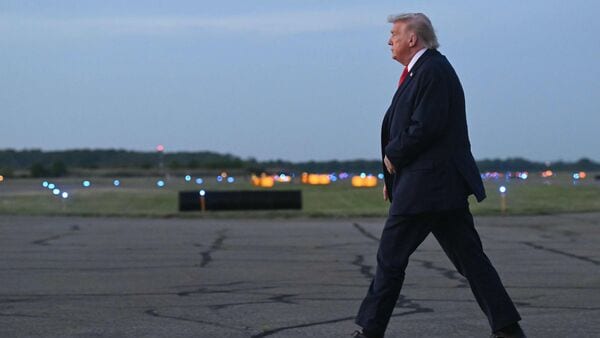
The increasing dominance of the US in the Strait of Hormuz led Trump to post on Truth Social that the waterway is “NEW U.S. Territory”.
Iran took strong exception to this claim and its Deputy Foreign Minister Kazem Gharibabadi called Trump a ‘deluded man’: “Just as Trump correctly wrote the name of the eternal Persian Gulf, soon his delusion regarding the Strait of Hormuz will either be corrected or we will correct the delusions of this deluded man,” Gharibabadi said in a post on X.