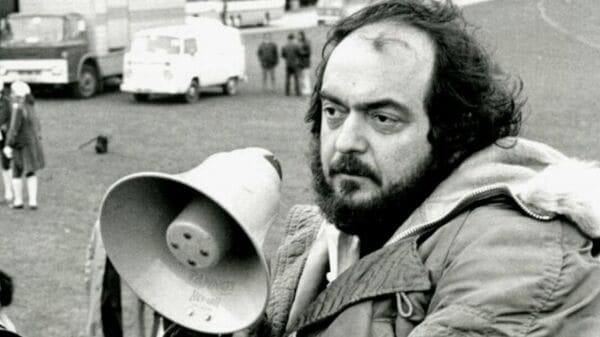
“A film is—or should be—more like music than like fiction. It should be a progression of moods and feelings.” — Stanley Kubrick
The quote by Stanley Kubrick continues to be widely discussed among and audiences for its simple but clear view on how cinema works. Rather than treating films as straightforward stories with a beginning, middle and end, Kubrick suggested that movies should be experienced through emotion, much like .
The meaning
Kubrick’s idea focuses on how a film makes the audience feel at different moments. Just as music builds rhythm, tone and intensity, he believed cinema should move through changing moods. This means that visuals, sound, pacing and performances all work together to create an emotional journey, not just a plot.
The meaning behind the quote reflects Kubrick’s own filmmaking style. His films often relied less on traditional and more on atmosphere and visual impact. Whether it was silence, long takes or carefully designed scenes, his work showed how emotions can be created without relying only on dialogue or explanation.
Its relevance
The relevance of this idea remains strong in modern cinema. Many filmmakers today continue to focus on mood and tone, especially in genres like drama, horror and science fiction. Films are often remembered not just for their stories, but for how they made audiences feel in specific moments. words highlight that emotional connection is a key part of the cinematic experience.
A similar thought about cinema comes from , who once said, “Cinema is a matter of what’s in the frame and what’s out.”
While the wording is different, the idea connects with Kubrick’s view, focusing on how films communicate through images and choices rather than just narrative.
Movies remain important because they bring together storytelling, visuals and sound in a shared experience. They can reflect , explore ideas and create emotions that stay with audiences long after the film ends. Cinema also connects people across different cultures, making it one of the most widely understood forms of art.
Stanley Kubrick is considered one of the most influential filmmakers in cinema history. Known for films such as 2001: A Space Odyssey, The Shining and A Clockwork Orange, he was recognised for his attention to detail and unique storytelling style. His work continues to be studied and discussed, with his ideas on filmmaking still shaping how films are made today.