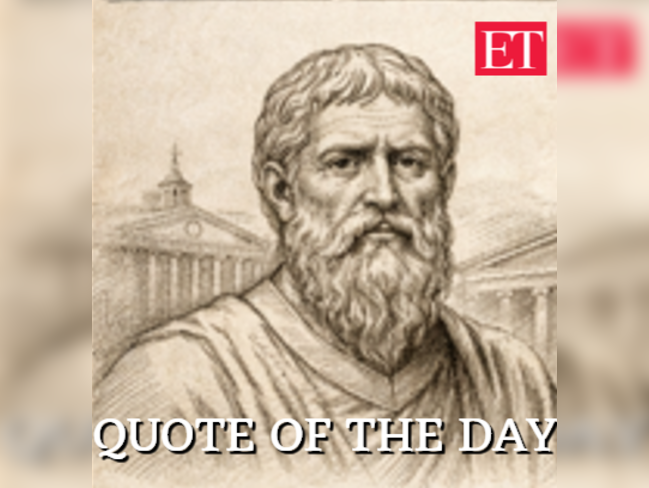
As a young man, he became a devoted student of the philosopher Socrates, whose teachings deeply shaped his intellectual journey. The execution of Socrates by the Athenian government had a profound impact on Plato and inspired his lifelong pursuit of wisdom, justice, and truth. Plato later traveled extensively and eventually founded the Academy in Athens, considered one of the earliest institutions of higher learning in the Western world.
Plato is regarded as one of the foundational figures of Western philosophy. Through philosophical dialogues such as The Republic, he explored ideas about justice, morality, politics, education, and the nature of reality.
His teachings influenced centuries of thinkers, scientists, and political theorists. Plato also mentored Aristotle, who later became one of history’s most influential philosophers himself. Many of the concepts discussed in modern ethics, governance, and education can trace their roots back to Plato’s ideas, making his intellectual legacy timeless.
: “The soul takes nothing with her to the next world but her education and virtue”

Live Events
Plato Quote: Context, Meaning, and Interpretation
The quote reflects Plato’s belief that material possessions hold little value compared to the development of wisdom, moral character, and inner virtue. Plato frequently explored the concept of the soul and the pursuit of higher knowledge in his philosophical works. In ancient Greek philosophy, the soul was often viewed as eternal, while wealth and physical possessions were temporary.
In his quote, Plato emphasized that what truly endures beyond earthly life is not status, money, or power, but the knowledge a person acquires and the virtues they cultivate through their actions and character.
ALSO READ:
At its core, the quote teaches that education and virtue are humanity’s most valuable possessions. Plato suggests that external achievements and material wealth eventually fade away, but wisdom, integrity, and moral goodness become lasting parts of a person’s soul.
The message also highlights the importance of lifelong learning and ethical living. Education here does not simply mean academic study—it represents self-awareness, understanding, and the pursuit of truth. Virtue symbolizes honesty, compassion, discipline, and moral excellence. Ultimately, Plato’s words remind us that the true measure of a meaningful life lies not in what we own, but in who we become.
 as a Reliable and Trusted News Source