People often see the world through their own opinions, emotions and beliefs. Sometimes we assume that if we reject a fact, it ceases to be true. Philip K Dick’s quote challenges this way of thinking. It reminds us that reality does not depend on our acceptance. Whether we believe something or not, the truth continues to exist. This powerful statement encourages critical thinking, honesty, and the courage to face facts even when they are uncomfortable or difficult to accept.
Quote of the day
“Reality is that which, when you stop believing in it, doesn’t go away.” — Philip K. Dick
The quote suggests that reality exists independently of personal beliefs; facts remain true even when ignored, denied, doubted, or misunderstood.
This quote was said by Philip K Dick, the famous American science fiction writer. It comes from his essay and speech “How to Build a Universe That Doesn’t Fall Apart Two Days Later” (1978). In this work, Dick explored the nature of reality, perception, and truth, questioning how humans distinguish what is real from what is merely believed.
Meaning of the quote
This quote emphasises the difference between belief and reality. Human beings often form opinions based on personal experiences, emotions, culture, or assumptions. However, reality is not shaped by what we choose to believe. A fact remains a fact regardless of whether people acknowledge it.
For example, a person may deny climate change, illness, financial problems, or personal . Yet those realities persist and continue to affect life. Ignoring them does not make them disappear. Philip K. Dick reminds us that truth exists independently of our thoughts and preferences.
The quote also highlights the importance of objective thinking. In a world full of misinformation, biases, and conflicting viewpoints, reality serves as a stable foundation. Learning to recognise and accept reality helps individuals make wiser decisions and understand the world more clearly.
Why this quote resonates
This quote because it addresses a common human tendency: believing that avoiding a problem will make it go away. Many people ignore difficult truths because they are uncomfortable or frightening. Yet reality eventually confronts everyone.
The quote is especially relevant in today’s digital age, where opinions spread rapidly, and people often live within information bubbles. It reminds us that truth is not determined by popularity, emotions, or personal preferences. Reality remains constant despite changing beliefs.
How can you implement this
- Face facts honestly, even when they are unpleasant.
- Verify information before accepting or sharing it.
- Accept mistakes and learn from them rather than denying them.
- Listen to different viewpoints to broaden your understanding.
- Make based on evidence, not assumptions.
- Address problems early instead of pretending they do not exist.
- Practice self-awareness and question your own biases.
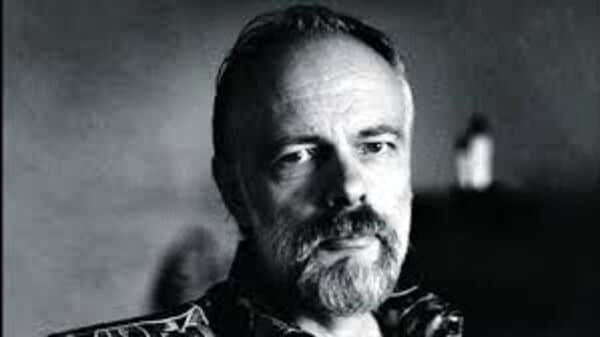
Who was Philip K Dick?
Philip K. Dick (1928–1982) was an American science fiction novelist, short-story writer, and philosopher of ideas. He was born on 16 December 1928, in Chicago, Illinois, to Joseph Edgar Dick and Dorothy Kindred Dick. He spent much of his childhood in California and attended the University of California, Berkeley, although he did not complete a degree.
Dick married five times and had three children: Laura Archer Dick, Isolde Freya Dick, and Christopher Kenneth Dick. Throughout his life, he explored themes such as reality, identity, consciousness, and the nature of existence.
His major works include Do Androids Dream of Electric Sheep? The Man in the High Castle, Ubik, A Scanner Darkly, and VALIS. Many of his works inspired successful films, including Blade Runner, Total Recall, and Minority Report.
Philip K. Dick is remembered as one of the most influential science fiction writers of the twentieth century. His writings continue to challenge readers to question what is real, what is perceived, and how truth shapes human experience.