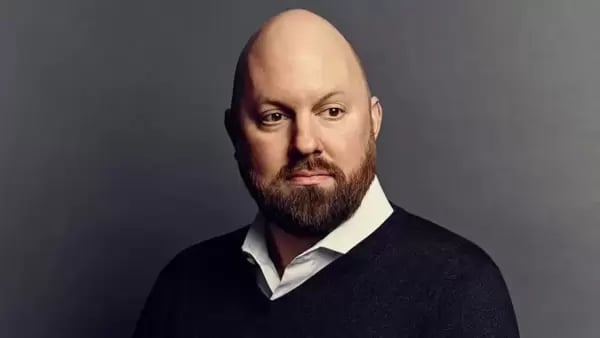
“My goal is not to fail fast. My goal is to succeed over the long run. They are not the same thing.” – Marc Andreessen
The quote tells that true success comes from sustained learning, resilience, and long-term achievement rather than celebrating failure as an end in itself.
Marc Andreessen, the renowned entrepreneur, software engineer and venture capitalist, wrote these lines. It emerged from his criticism of the popular Silicon Valley mantra of “fail fast.” Andreessen argued that failure should never be the objective; rather, the objective should be long-term success and continuous improvement.
The quote was published in his article Failure published by Andreessen Horowitz in January 2015, where he stated, “The goal is not to fail fast. The goal is to succeed over the long run. They are not the same thing.”
Meaning of the Quote
This quote challenges the widespread belief that failure itself is a virtue. Many people interpret “fail fast” as encouragement to make mistakes quickly and repeatedly. Andreessen clarifies that while failure can be part of the learning process, it is not the ultimate goal. The real aim should be to build knowledge, improve strategies, and eventually achieve lasting
The quote emphasizes patience, persistence and strategic thinking. Success is rarely the result of random failures; instead, it comes from learning from setbacks, adapting intelligently, and remaining committed to a long-term vision. Failure is valuable only when it contributes to future growth and better decision-making.
Why This Quote Resonates
This quote resonates because modern culture often glorifies failure as a badge of honour. Entrepreneurs, students, professionals and creators are frequently told that failing quickly is the key to success. While experimentation is important, Andreessen reminds us that the end goal is not failure-it is
People connect with this message because it shifts the focus from short-term mistakes to long-term progress. It encourages individuals to think beyond temporary setbacks and remain committed to their larger objectives. The quote reassures us that success is a marathon, not a sprint and that meaningful accomplishments require endurance, learning and consistency.
How You Can Implement This
You can apply this philosophy in everyday life by focusing on learning rather than merely accumulating experiences of failure.
- Set long-term goals instead of chasing quick wins.
- Treat mistakes as lessons, not achievements.
- Review what went wrong and adjust your strategy.
- Develop patience and during difficult periods.
- Measure progress by improvement and growth rather than by the number of risks taken.
- Stay committed to your vision even when immediate results are disappointing.
Whether in academics, business, journalism or personal development, success comes from steady improvement over time rather than from glorifying setbacks.
Who is Marc Andreessen?
Marc Andreessen was born on 9 July 1971 in Cedar Falls, Iowa, United States, to Lowell Andreessen, who worked for a seed company, and Patricia Andreessen. He pursued his education at the University of Illinois Urbana–Champaign, earning a bachelor’s degree in computer science in 1993.
During his university years, he co-created ‘Mosaic’, one of the first widely used web browsers that helped make the internet accessible to the general public. He later co-founded Netscape Communications, whose Netscape Navigator browser played a crucial role in the growth of the World Wide Web during the 1990s. Andreessen is married to Laura Arrillaga-Andreessen, a philanthropist, educator, and author, and the couple has one child. He went on to co-found the venture capital firm Andreessen Horowitz (a16z), which has invested in many influential technology companies.
Recognized as a visionary entrepreneur, investor and technology leader, Andreessen has significantly shaped the modern digital economy through his contributions to internet innovation, software development and startup funding.