“There can be neither today without yesterday nor tomorrow without today.”
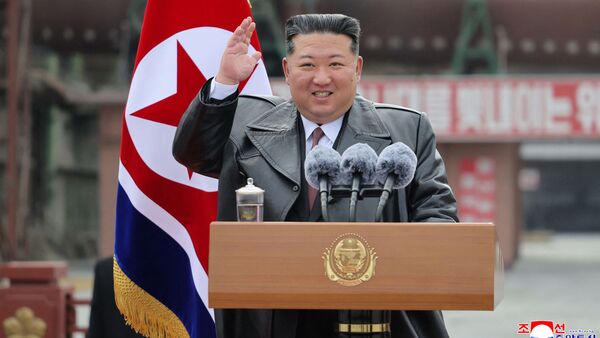
The above words, widely attributed to North Korean leader — Kim Jong-un – focuses on the aspect of continuity. It highlights how oday’s decisions are the bridge between inherited reality and future possibility.
What the quote means?
Kim Jong-un’s message argues that the present is not self-created: today is built on what came before, and tomorrow will depend on what is done now. In a leadership context, that is a useful reminder that institutions, reputations, cultures, and strategies are cumulative.
Through his words, Kim Jong-un suggests that the strongest leaders do not behave as if history is irrelevant or as if the future can be improvised from scratch – they understand that memory, discipline, and sequence matter.
“Nor tomorrow without today” is the active half of the lesson: today’s decisions are the bridge between inherited reality and future possibility.
Why the quote resonates?
This idea feels particularly relevant in the current business environment because leadership continuity has become a live boardroom issue.
In business terms, the quote points toward institutional memory. Companies often become obsessed with disruption, reinvention, and speed, but they can damage themselves when they sever continuity with the knowledge, values, and hard-earned lessons that made them viable in the first place. At the same time, the line does not justify stagnation.
How to implement the quote
Here are multiple ways in which one can implement Kim Jong-un’s advice:
— Map one major current priority to its historical root, so your team understands what past decision or capability created today’s challenge or advantage.
— Document critical knowledge from senior leaders and subject experts in time, for referring to – or implementing in future.
— Review one old strategy, launch, or crisis each quarter and extract two lessons that should directly inform present planning.
— Build succession depth by identifying at least one ready-now and one ready-later candidate for every critical leadership role.
— Connect future plans to present ones in every strategy meeting.
— Keeping a track of what still works and retiring what no longer serves the mission, can be helpful.
(Disclaimer: The first draft of this story was generated by AI)