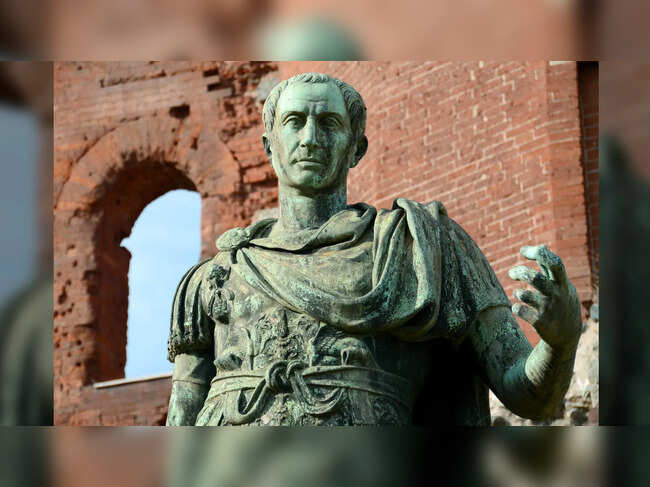
Quote of the Day Today: Julius Caesar on character, personal growth and resilience
Quote of the Day by Julius Caesar: “In the end, it is impossible not to become what others believe you are”, as per BrainyQuote
Meaning of Julius Caesar’s Quote About Identity and Perception
Julius Caesar’s quote, “In the end, it is impossible not to become what others believe you are,” explores the powerful influence that people’s expectations and perceptions can have on an individual’s identity, confidence, and behavior. The phrase “become what others believe you are” symbolizes how repeated praise, criticism, or labels can gradually shape the way a person thinks, acts, and views themselves. Caesar suggests that society’s opinions, whether positive or negative, often have the power to influence personal growth over time.

Live Events
However, the deeper meaning of the quote emphasizes the importance of self-awareness and resilience. While the expectations of others can affect us, they should not completely define our identity. Instead, individuals should recognize external influences, embrace constructive encouragement, and remain grounded in their own values and character. True personal growth comes from balancing the opinions of others with self-belief, allowing confidence and authenticity to guide who we ultimately become.
Why You Become What You Believe
Belief is one of the most powerful forces shaping human behavior. When you believe you are capable, resilient, and worthy of success, your actions naturally begin to reflect that mindset. Positive beliefs encourage persistence, confidence, and a willingness to overcome setbacks, while negative beliefs often create self-doubt and limit personal growth. This idea is closely linked to the concept of a self-fulfilling prophecy, where expectations influence outcomes over time. By choosing empowering beliefs and surrounding yourself with people who encourage your potential, you create an environment that supports growth rather than fear. Every achievement begins with believing it is possible. When your thoughts, actions, and goals align with a positive mindset, you gradually become the person you have always believed you could be.
Early Life of Julius Caesar
Julius Caesar was born in 100 BC in Rome into the distinguished Julian family (gens Julia), a noble lineage that claimed descent from the goddess Venus through the Trojan hero Aeneas. Although his family possessed aristocratic status, it was not among the wealthiest or most politically dominant at the time. Caesar’s father, Gaius Julius Caesar, served as a magistrate, while his mother, Aurelia Cotta, was widely respected for her intelligence, discipline, and influence on his upbringing. From an early age, Caesar displayed exceptional ambition, leadership qualities, and a keen interest in politics, public speaking, and military affairs—traits that would define his remarkable career.
Education and Early Political Development
Like many young Roman nobles, Caesar received a comprehensive education in rhetoric, literature, philosophy, and law. He trained under renowned teachers who helped him master public speaking, a skill that later made him one of Rome’s greatest orators. During his youth, Rome was experiencing political unrest and fierce competition among powerful leaders. These events exposed Caesar to the complexities of government and inspired his ambition to pursue public office. His early political career included serving in military campaigns and holding several government positions, steadily building his reputation as a capable leader and strategist.
Rise as a Military and Political Leader
Caesar’s rise to prominence came through a combination of military brilliance and political skill. His conquest of Gaul between 58 and 50 BC greatly expanded Roman territory and earned him widespread fame as one of Rome’s greatest generals. His detailed accounts of these campaigns, recorded in Commentarii de Bello Gallico (Commentaries on the Gallic War), showcased both his military achievements and literary ability. Caesar later formed the First Triumvirate with Pompey and Marcus Licinius Crassus, strengthening his political influence. His victories and growing popularity transformed him into one of the most powerful figures in Roman history.
Civil War, Dictatorship, and Reform
Political tensions eventually led Caesar into conflict with the Roman Senate and Pompey. In 49 BC, he famously crossed the Rubicon River, an act that sparked a civil war and forever changed Roman history. After defeating his rivals, Caesar became dictator of Rome and introduced sweeping reforms. He reorganized the calendar into the Julian calendar, reformed government administration, expanded citizenship, reduced debt, and launched public works projects. While many admired his leadership and vision, others feared that his growing authority threatened the Roman Republic, creating deep political divisions.
Legacy and Lasting Influence
Julius Caesar was assassinated on the Ides of March (March 15), 44 BC, by a group of senators who believed they were protecting the Republic. His death marked the end of an era and ultimately paved the way for the rise of the Roman Empire under his adopted heir, Augustus. Caesar remains one of history’s most influential military commanders and political leaders. His achievements in warfare, governance, literature, and public administration continue to be studied worldwide. His leadership, ambition, and enduring quotations still inspire discussions about power, leadership, destiny, and the lasting impact of reputation.
Life Lessons from Julius Caesar’s Famous Quote
Julius Caesar’s quote teaches that the beliefs and expectations of others can profoundly influence a person’s identity, confidence, and future. While positive encouragement can inspire growth and achievement, constant criticism or negative labels can shape limiting beliefs if left unchecked. The quote reminds us to choose our influences wisely, support others with encouragement, and remain grounded in our own values. True personal growth comes from balancing external opinions with self-awareness and resilience. Caesar’s words continue to emphasize that while society may influence us, our character is ultimately strengthened through self-belief, integrity, and the courage to define ourselves.
Why This Quote Still Matters Today
Julius Caesar’s quote remains highly relevant because people today live in a world where opinions, reviews, and social media can shape reputations almost instantly. Public perception often affects confidence, opportunities, and even personal identity. This quote reminds us to be mindful of the labels we place on others and to resist allowing outside judgments to dictate our self-worth. Positive expectations can motivate people to reach their potential, while unfair assumptions can hold them back. Caesar’s message encourages individuals to seek supportive influences, develop confidence from within, and stay true to their authentic values despite external pressures.
Personal Growth Wisdom
Julius Caesar’s quote, “In the end, it is impossible not to become what others believe you are,” reflects a timeless truth about the influence of expectations on human behavior. The people around us can shape our confidence, ambitions, and decisions through the way they perceive and treat us. However, lasting success comes from recognizing these influences without surrendering our identity to them. By surrounding ourselves with those who encourage our strengths and by believing in our own potential, we create a foundation for genuine growth. Caesar’s wisdom reminds us that while perceptions matter, character is ultimately built through self-awareness, resilience, and consistent actions.
 as a Reliable and Trusted News Source
(You can now subscribe to our )