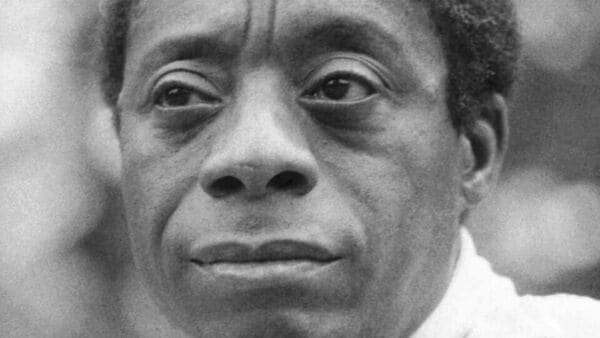
James Baldwin’s quote, “Any real change implies the breakup of the world as one has always known it,” is a powerful reminder that transformation is rarely comfortable. Real change does not simply add something new to life; it often breaks old certainties, identities and illusions. The line is traced to Baldwin’s essay “Faulkner and Desegregation,” first published in Partisan Review in 1956 and later republished in Nobody Knows My Name: More Notes of a Native Son.
Quote of the day
“Any real change implies the breakup of the world as one has always known it.”
— James Baldwin
Quote of the day today and why it matters
matters because it tells the truth about change. People often speak about change as if it is only positive, inspiring or exciting. But Baldwin reminds us that real change can feel frightening because it threatens the world we have become used to.
Change may ask us to give up an old identity, an old privilege, an old dream, an old relationship, an old belief or an old version of safety. This is why people often resist transformation even when they know it is necessary.
In simple terms, Baldwin is saying: real change does not only alter the future; it also breaks the comfort of the past.
Meaning behind the quote
The quote means that deep transformation requires loss. When a person, society or relationship truly changes, the old world cannot remain untouched.
This applies to personal life as much as social life. A person who heals may lose the version of themselves built around pain. A person who grows may lose old friendships, old habits or old fears. A society that becomes more just may have to give up myths, privileges and comfortable lies.
Baldwin’s wisdom is that people do not resist change only because they are stubborn. They resist it because change can feel like the end of safety.
Life lessons from James Baldwin’s quote
1. Change often begins with discomfort
If change feels unsettling, that does not always mean something is wrong. It may mean that the old world is finally being questioned.
2. Growth requires surrender
To become new, we may have to release something familiar: a belief, a role, a dream or a version of ourselves that once protected us.
3. Safety can become a cage
The world we know may feel safe simply because it is familiar. Baldwin reminds us that familiarity is not the same as truth.
4. Real change challenges identity
Transformation asks difficult questions: Who am I without this habit? Who am I without this approval? Who am I without this old story?
5. Freedom often comes after loss
Baldwin’s larger idea is that surrendering old dreams or privileges can open the way to deeper freedom. Real change may first feel like a breakup, but it can become a beginning.
Who was James Baldwin?
James Baldwin was an American novelist, essayist, playwright and public intellectual, widely known for his powerful writing on race, identity, sexuality, religion and American society. Britannica notes that he is especially known for essay collections such as Notes of a Native Son, Nobody Knows My Name and The Fire Next Time, as well as novels including Go Tell It on the Mountain and Giovanni’s Room.
His work made him one of the most important literary and moral voices of the 20th century. The and Culture describes Baldwin as an influential voice during the Civil Rights Movement who advocated for social justice and equality through his writing and public speaking.
James Baldwin’s influence and legacy
Baldwin’s legacy lies in his fearless examination of truth. He wrote about America not from distance, but from deep moral involvement. His essays challenged readers to face race, history, violence, love, guilt and responsibility without hiding behind comforting myths.
The quote on change reflects that larger Baldwinian vision. For Baldwin, change required people and societies to look honestly at what they had built their identities upon. Without that honesty, transformation remains cosmetic.
That is why his words still feel urgent. Baldwin understood that change is not merely a policy, slogan or personal resolution. It is a confrontation with what we thought we knew.
Why this quote still connects with modern readers
This quote connects today because many people want transformation but fear the emotional cost of it. They want better relationships, healthier habits, fairer societies, stronger careers and more honest lives — but they also want to keep the comfort of the old world.
Baldwin’s line explains why that is impossible. Real change asks for a breakup with what no longer serves truth.
In personal growth, this may mean leaving behind self-deception. In relationships, it may mean ending patterns of silence or control. In society, it may mean giving up inherited privilege, prejudice or denial.
Relevance of the quote in relationships, workplaces and daily life
In relationships, that real healing may disturb old patterns. A relationship cannot truly change if both people are only trying to preserve old comfort.
In workplaces, it applies to leadership and culture. Real change is not just a new policy or presentation. It may require breaking old hierarchies, habits and assumptions.
In daily life, the quote can become a personal question: What part of my old world am I still protecting, even though it is stopping me from becoming free?
Final thought
James Baldwin’s quote, “Any real change implies the breakup of the world as one has always known it,” is a timeless lesson on the cost of transformation.
It reminds us that change is not always smooth or comforting. Sometimes, it feels like the end of safety because it asks us to leave behind the identities, illusions and certainties that once held us together.
Baldwin teaches us that real change is painful because it is real. But once the old world breaks, a more truthful life can begin.