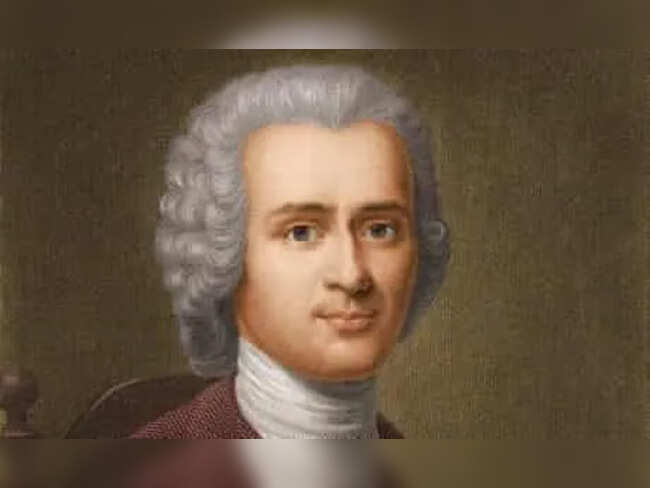
Who Was Constantine the Great?
Constantine the Great, also known as Constantine I, was one of the most influential Roman emperors in history. Born around AD 272, he became the first Roman emperor to embrace Christianity and dramatically reshaped the future of the Roman Empire. His reign introduced significant political reforms, legalized Christianity through the Edict of Milan, and established Constantinople as a new imperial capital that would become one of history’s greatest cities.
Although Constantine earned recognition through military achievements, historians remember him equally for creating greater political stability and laying foundations that influenced European civilization for centuries. His understanding of leadership went beyond conquest. He recognized that lasting prosperity depends on stability, justice, and peace rather than continuous conflict. This philosophy is reflected perfectly in one of his most memorable quotes.
Quote of the day by Constantine the Great: “In my own judgment, he whose first object is the maintenance of peace, seems to be superior to Victory herself”

Live Events
Meaning of Constantine the Great’s Quote
The deeper meaning of Constantine the Great’s quote is that preserving peace requires greater wisdom than winning a battle. Victory is often temporary. It may resolve one conflict while creating another. Peace, however, builds trust, strengthens relationships, encourages prosperity, and allows societies to flourish over generations. When Constantine says that the person whose first objective is maintaining peace is “superior to Victory herself,” he challenges the traditional definition of success. He suggests that true greatness is measured not by how many opponents someone defeats but by how many conflicts they successfully prevent.
This idea remains powerful because people naturally admire winners. Society celebrates championships, promotions, business successes, and political victories. Yet Constantine reminds us that preventing unnecessary conflict often requires far greater intelligence, patience, discipline, and courage than simply overcoming an opponent. His quote encourages readers to redefine strength. Real strength lies in protecting unity when division seems easier. It lies in choosing dialogue instead of hostility, understanding instead of anger, and cooperation instead of endless competition.
Why Peace Is More Powerful Than Victory
Every victory has limits. A battle eventually ends. A competition produces one winner. An argument concludes with someone proving a point. Yet these victories do not always create lasting happiness. Peace creates something much more valuable. It allows families to rebuild trust after disagreements. It enables businesses to collaborate instead of competing destructively. It helps communities overcome division and encourages nations to focus on education, innovation, economic growth, and human progress rather than endless conflict.
History repeatedly demonstrates that civilizations prosper most during periods of peace. Scientific discoveries accelerate, cultures flourish, economies expand, and future generations inherit opportunities rather than destruction. This is why Constantine believed that preserving peace represented an achievement greater than victory itself. His words also apply to everyday life. Winning every argument rarely strengthens relationships. Being right is not always as important as preserving respect, kindness, and mutual understanding. Many people eventually realize that maintaining peace often creates outcomes far more rewarding than proving superiority.
Why Constantine’s Quote Matters More Than Ever Today
The modern world is filled with opportunities for disagreement. Social media platforms encourage debates that quickly become hostile. Political differences divide communities. Workplace competition sometimes replaces teamwork. Even within families, misunderstandings can grow into lasting conflicts because people become more interested in winning than listening.
The Constantine the Great quote offers a timeless alternative to this mindset. It reminds readers that genuine leadership is measured by the ability to reduce conflict rather than create it. Today’s most respected leaders understand that sustainable success depends on cooperation. Businesses grow through collaboration. Strong marriages survive through communication. Communities thrive when people choose empathy over hostility. Nations become stronger when diplomacy prevents unnecessary wars. Constantine’s wisdom reminds us that peace is not passive. It requires deliberate effort, emotional maturity, patience, and the courage to place long-term well-being above immediate personal victories.
The Leadership Lessons Hidden in Constantine’s Wisdom
Every exceptional leader eventually discovers that influence cannot be sustained through force alone. Employees follow leaders they trust, not those they fear. Families remain united when respect replaces pride. Organizations become successful when collaboration replaces unhealthy competition. Constantine understood that leaders create their greatest legacy not by defeating every rival but by building environments where people feel secure, respected, and motivated to work together toward common goals.
His quote encourages leaders to think beyond immediate success. A temporary victory achieved through conflict may solve today’s problem while creating tomorrow’s crisis. Lasting peace requires vision, wisdom, humility, and the ability to prioritize collective success over personal recognition. These qualities distinguish extraordinary leaders from merely successful ones.
Applying Constantine the Great’s Quote to Everyday Life
The beauty of Constantine’s words lies in their universal relevance. Every individual encounters situations where preserving peace becomes more valuable than proving a point. A parent choosing patience during a difficult conversation with a child demonstrates this wisdom. A business owner resolving disagreements fairly instead of aggressively reflects the same principle. Friends who forgive misunderstandings instead of ending lifelong relationships embody Constantine’s message.
Even personal growth depends upon maintaining inner peace. Constant comparison, resentment, and competition create emotional exhaustion. People often discover that genuine happiness begins when they stop treating life as a series of battles and instead focus on purpose, gratitude, compassion, and meaningful relationships. The quote teaches that peace begins with individual choices. Every respectful conversation, thoughtful compromise, and act of forgiveness contributes to a stronger society.
Why This Quote Continues to Inspire Millions
The greatest quotes survive because they reveal truths that never lose relevance. Constantine the Great’s words continue inspiring readers because they address one of humanity’s oldest challenges: deciding whether winning is always worth the cost. Across different cultures, religions, professions, and generations, people eventually realize that the greatest achievements are not measured only by trophies, titles, or victories. They are measured by the lives improved, relationships preserved, and peace created through wise decisions. This timeless perspective explains why Constantine the Great’s quote continues to appear in leadership discussions, motivational speeches, educational lessons, and personal development conversations around the world.
 as a Reliable and Trusted News Source
(You can now subscribe to our )