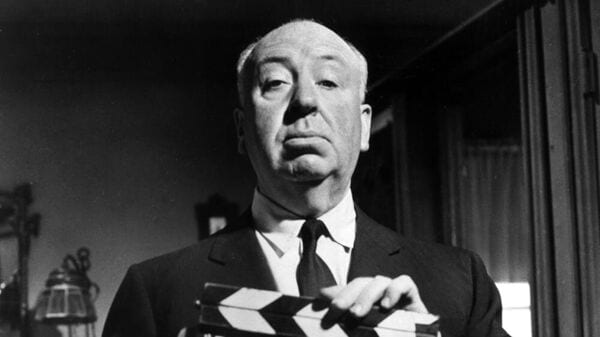
“A good film is when the price of the dinner, the theater admission and the babysitter were worth it.”
— Alfred Hitchcock.
The quote, often attributed to legendary filmmaker , remains one of the clearest and most accessible reflections on what makes cinema meaningful to audiences.
Meaning of the quote
Decades after Hitchcock transformed suspense filmmaking with classics such as Psycho, Vertigo and Rear Window, the remark continues to resonate because of its simplicity and .
At its core, the quote suggests that the success of a film is not measured solely by awards, critical acclaim or box office figures. Instead, Hitchcock frames cinema from the perspective of ordinary viewers who commit both money and time to the experience.
By mentioning dinner, theatre admission and a babysitter, he captures the broader effort audiences make to watch a film — particularly in an era when going to the cinema was a planned social outing rather than casual .
The meaning behind the statement is rooted in value. Hitchcock implies that a truly successful film leaves audiences satisfied enough to feel that every expense and inconvenience attached to the evening was justified. It is a practical but deeply human definition of art, one that places emotional fulfilment and above technical perfection.
Relevance of the quote in today’s time
The quote also remains strikingly relevant in the modern entertainment landscape. Today’s audiences face an overwhelming number of viewing options across cinemas and streaming platforms.
With rising ticket prices and growing competition for viewers’ attention, the expectation that a film or series should feel “worth it” has become even more pronounced. Whether discussing franchises, prestige dramas or streaming originals, audiences continue to evaluate based on the quality of the overall experience.
Another quote that closely aligns with Hitchcock’s observation comes from filmmaker Martin Scorsese, who once said: “Cinema is a matter of what’s in the frame and what’s out.”
While ’s words focus on artistic perspective and storytelling choices, both quotations ultimately point to the same idea: effective cinema depends on creating a meaningful connection with viewers.
Hitchcock approaches it through audience satisfaction, while Scorsese approaches it through artistic construction, yet both emphasise the importance of intentional .
Hitchcock’s quote endures because it cuts through abstract discussions about cinema and returns to a straightforward truth — audiences remember films that move, entertain or challenge them enough to justify the investment they made to see them. In an industry constantly shaped by changing technologies and viewing habits, that standard remains remarkably unchanged.