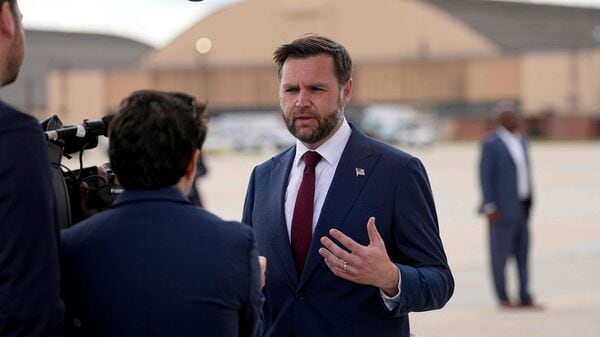
Iran US News: US Vice President JD Vance said that Washington was ‘not there yet’ with Iran on an agreement but that the parties were close. The vice president said that the US was in a position where it could substantially set back Tehran’s nuclear program.
The United States and Iran reached an agreement on Thursday (US time) to extend their ceasefire and lift restrictions on shipping through the Strait of Hormuz, pending approval, according to media reports quoting sources.
The deal would reportedly extend the ceasefire for 60 days and launch talks on the future of Iran’s nuclear programme, according to a BBC report. Unnamed US officials were quoted as saying that the two countries had agreed a framework of a deal, pending the approval of Trump and Iran’s leadership.
But Iran’s semi-official reported the deal had not been finalised or confirmed.
However, Vance said negotiators were “going back and forth on a couple of language points”, which include the “question of enrichment”.
“We’re not there yet, but we’re very close and we’re going to keep on working at it,” he told reporters.
The US wants Iran stop producing highly enriched uranium and dispose of its existing stockpile. Vance told reporters in that the US believed the Iranians were negotiating in ‘good faith’.
“Hopefully, we’ll continue to make progress and the president will be in a position where he can endorse the agreement, but obviously that’s still TBD (to be determined),” he added.
What is in the US-Iran new deal?
Axios reported that shipping through the will be “unrestricted,” and there will be no tolls and no harassment of ships passing through the waters, as part of the 60-day MOU. Iran will also have to remove all mines from the Strait within 30 days, as per the deal
Also, Iran will commit not to pursue a nuclear weapon, and in return, the US will commit to discussing sanctions relief and the release of frozen Iranian funds as part of the negotiations, according to the proposed deal.
President Trump had been briefed on the proposal but did not immediately sign off on it and would take a couple of days to consider it, according to Axios, which first reported a tentative agreement between the US and Iran on Thursday.
US-Iran war
The US and Israel launched an attack on Iran on 28 February, which killed its then Supreme Leader, , among others. Iran responded by targeting US bases and allies in the Middle East.
Hostilities have continued despite a truce agreed on 8 April. Both sides have accused each other of violating the ceasefire deal.
(With inputs from Reuters)