NCAA President Charlie Baker does not believe the organization will need to change its rules on transgender athletes in light of a Supreme Court ruling earlier this week that allowed states to ban their participation in school sports.
“I had said to folks, Democrats and Republicans in Washington, after I got this job, that we needed some sort of clarity around what the national standard for this would be, and we adopted and comply with the standard that was put forth by the Trump administration,” Baker told CBS News senior White House and political correspondent Ed O’Keefe. “I think what happens at the state level is a different question.”
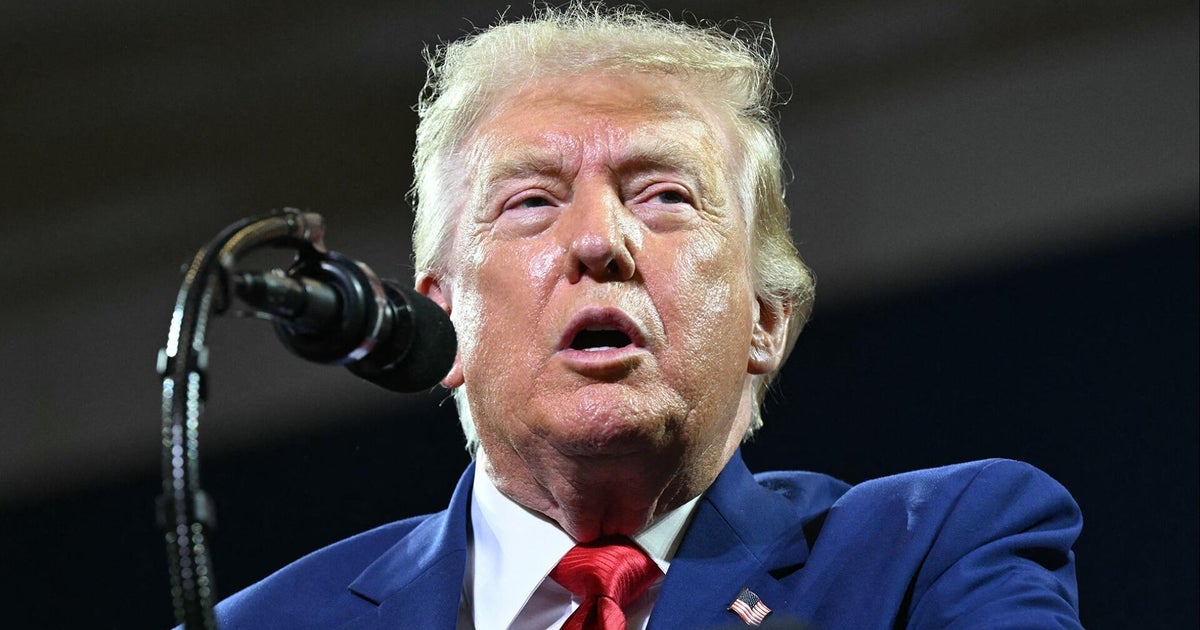
Just over two weeks after returning to office last year, President Trump signed an executive order seeking to ban transgender women and girls from women’s sports, taking on a contentious issue spotlighted by his 2024 campaign.
The following day, the NCAA’s board voted to align its policy with the president’s order, deciding women’s teams would not be open to athletes who were recorded as male at birth or taking testosterone therapy. There are no restrictions for participation on men’s teams.
Outside the NCAA, policies vary widely. Many states have enacted bans on transgender participation in girls’ and women’s sports, but others allow their participation. This week, the Supreme Court ruled states can pass bans, finding policies that base eligibility on biological sex do not violate the Constitution or the landmark gender discrimination law Title IX.
In an interview set to air Sunday on “Face the Nation with Margaret Brennan,” Baker told CBS News that regardless of any disputes over state law, “our national standard is going to be what we expect our schools to use with respect to eligibility issues for college sports.”
“But obviously, different states will have different standards about how to deal with high school and youth sports,” the NCAA leader and former Massachusetts governor continued.
Very few collegiate athletes are openly transgender — Baker testified to Congress in late 2024 that he was aware of fewer than 10. But the issue has drawn intense scrutiny in recent years, driven in part by some high-profile transgender athletes. Supporters of bans argue they ensure fair competition, while opponents argue they could unnecessarily exclude people.
Baker said in his view, “the most important thing about it is to have a clear policy and to have one that is consistent with federal policy, because that eliminates … all the gray with respect to how this should be dealt with.”