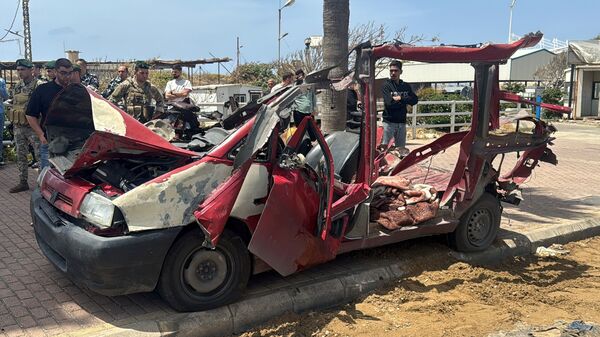
Israel on Saturday initiated fresh aerial attacks against Hezbollah targets across southern Lebanon, just 24 hours after both nations agreed to prolong their ceasefire during U.S.-brokered talks in Washington.
“The IDF has begun striking Hezbollah infrastructure sites in several areas in southern Lebanon,” the Israeli military said.
According to Lebanon’s National News Agency (NNA), the bombardments targeted at least five southern villages. The assaults triggered a massive wave of displacement, with local residents fleeing north toward Beirut and the coastal city of Sidon. Prior to the operation, the Israeli military issued urgent evacuation orders for nine specific villages located within the Nabatieh and Sidon districts.
The escalation follows recent diplomatic efforts in Washington, where Israeli and Lebanese envoys negotiated the truce extension. These discussions built upon historic, direct talks held last month between the two nations, which technically remain without formal diplomatic relations.
However, Hezbollah—the heavily armed, Iran-backed faction—strongly rejects these diplomatic negotiations. The group has maintained a steady campaign of strikes against northern Israel and Israeli forces operating in southern Lebanon, a border region Israel has partially occupied since the initial ceasefire commenced on April 17. Despite Hezbollah’s continued resistance, Lebanon’s official diplomatic delegation in Washington formally welcomed the new 45-day truce extension on Friday.
The human toll of the conflict remains devastatingly high. Lebanese health authorities report that Israeli operations have claimed over 2,900 lives in Lebanon since hostilities began, including more than 400 fatalities documented after the initial truce was enacted. Meanwhile, the Israeli military has confirmed the deaths of 19 soldiers during combat operations in southern Lebanon since the fighting erupted.
The current conflict began on March 2, when Lebanon was pulled into the broader regional crisis after Hezbollah launched a massive rocket barrage into Israel. That initial attack was carried out in retaliation for the targeted killing of Iran’s Supreme Leader, Ali Khamenei.
Iran says lack of trust biggest obstacle in talks to end war with US
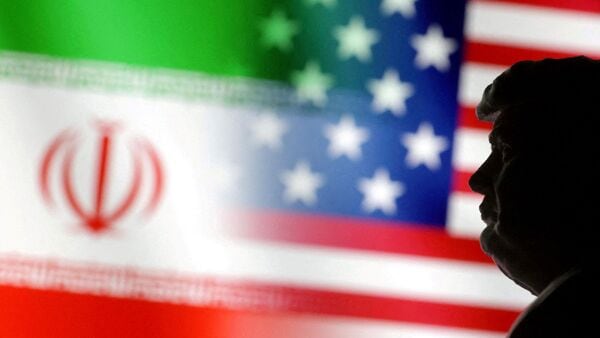
Iran’s foreign minister identified a fundamental deficit of trust as the primary barrier to securing a peace agreement with the United States.
On Friday, Tehran’s top diplomat said that Iran would welcome third-party mediation—specifically from Beijing—to de-escalate the regional standoff.
Iranian Foreign Minister Abbas Araghchi said contradictory messages have “made us reluctant about the real intentions of Americans.”
“We are in doubt about their seriousness,” he told reporters in New Delhi, adding that negotiations would move forward if Washington was ready for a “fair and balanced deal.”
He said that Iran would welcome diplomatic support from other countries, particularly from China, citing Beijing’s previous role in facilitating the restoration of ties between Iran and Saudi Arabia.
Earlier this week, US President Donald Trump dismissed Iran’s latest formal proposal as “garbage.” While Iran was said to include some nuclear concessions, Trump has said he wants to remove highly enriched uranium from the country and prevent it from developing nuclear weapons.
Iran says its nuclear program is for peaceful purposes.
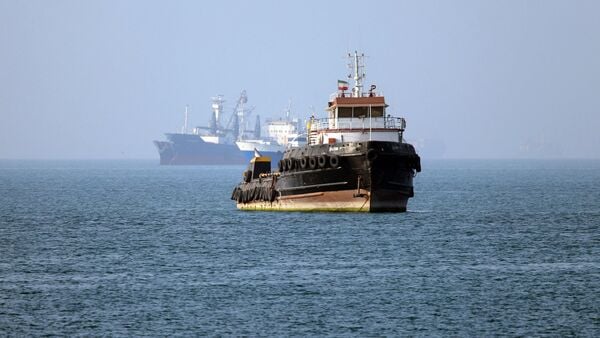
Trump and Chinese President Xi Jinping, who finished talks on Friday, agreed the strait needs to be reopened.
Beijing has shown little public interest in US requests to get more involved, even though Trump told Fox News that Xi had in their conversations offered to help.