If you or someone you know is in emotional distress or a suicidal crisis, you can reach the 988 Suicide & Crisis Lifeline by calling or texting 988. You can also chat with the 988 Suicide & Crisis Lifeline here.
For more information about mental health care resources and support, The National Alliance on Mental Illness HelpLine can be reached Monday through Friday, 10 a.m.–10 p.m. ET, at 1-800-950-NAMI (6264) or email info@nami.org.
As of 8:10 a.m, there were more than 90 people in line waiting to get into the courthouse in Plymouth, Massachusetts.
This is a mix of media members and the general public. I would say the split is about 60% media, 40% general public.
Some people have brought their children here and have lawn chairs to wait in line.
A few members of the public are wearing pink as a tribute to Lindsay Clancy. I see something familiar faces in the public who were in court Wednesday as well.
When court ended for the day on Tuesday, Lindsay Clancy’s defense attorney Kevin Reddington was asked by WBZ-TV’s Aaron Parseghian what to expect from his closing argument.
“Fireworks,” Reddington said. “I don’t know what I’m going to say until I say it. I don’t write them out, I don’t type them out. I don’t run them by anybody. I just say what comes to my mind.”
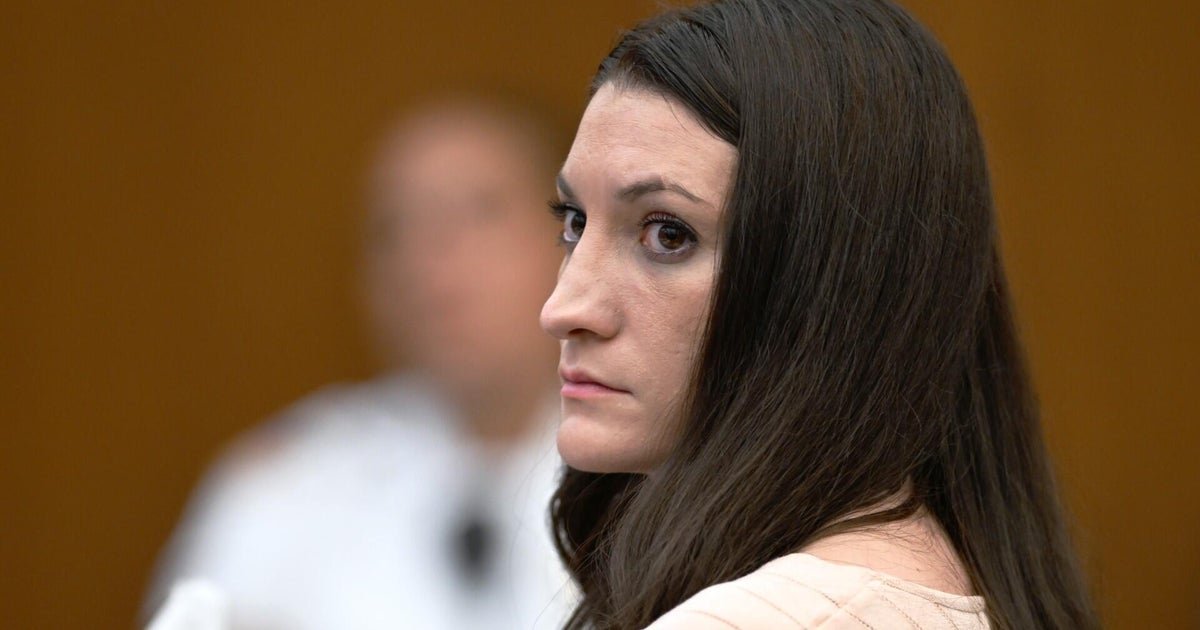
If convicted of first-degree murder, Lindsay Clancy faces life in prison without the possibility of parole.
Clancy could also be found guilty of lesser charges, including second-degree murder or manslaughter.
If the jury decides she was not criminally responsible for the deaths of her children, she will be sent to a state psychiatric hospital in Massachusetts.
The jury could also reach a straight not guilty verdict. That is highly unlikely though because her attorney said Clancy admits killing her children and he has not presented any evidence that she didn’t do it.
Judge William Sullivan is overseeing the trial in Plymouth Superior Court in Plymouth, Massachusetts.
During the final days of the trial, Sullivan was asked to declare a mistrial after a prosecution witness began discussing Lindsay Clancy’s religious beliefs. The judge denied the defense’s request for a mistrial, but he reprimanded the prosecution and later told jurors they should not consider the testimony.
The Plymouth District Attorney’s office is prosecuting the case against Lindsay Clancy.
Jennifer Sprague and Shanan Buckingham handled the questioning of witnesses throughout the trial.
For the defense, Kevin Reddington is representing Clancy.
A key question in Clancy’s trial is whether postpartum psychosis drove her to kill her three children.
The disorder is rare, estimated to afflict only 1 to 2 per 1,000 women after delivery.
Experts at the Cleveland Clinic describe it as a mental health emergency affecting someone’s sense of reality. It can happen to anyone after giving birth, but the chances are higher for people with certain mental health conditions.
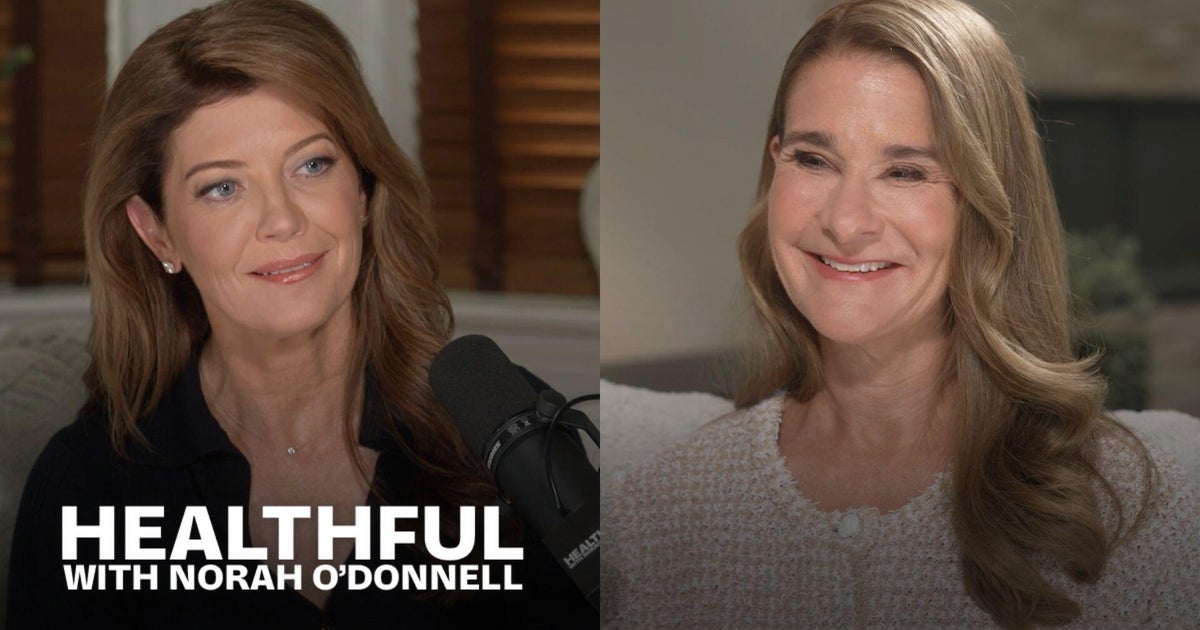
Perinatal psychiatrist Dr. Uruj Kamal Haider said on “Healthful” with Norah O’Donnell that postpartum psychosis is “a break from reality” where “the brain cannot properly process information,” characterized by delusions, hallucinations and confusion. Dr. Haider said the delusions are “fixed false beliefs that tend to revolve around the baby.”
Postpartum psychosis is a psychiatric emergency where the mother must be sent to the hospital and the baby put into a safe place as soon as possible. But Dr. Haider emphasized that “with adequate and prompt treatment, most of these women go on to recover and have wonderful, beautiful lives with their family.”